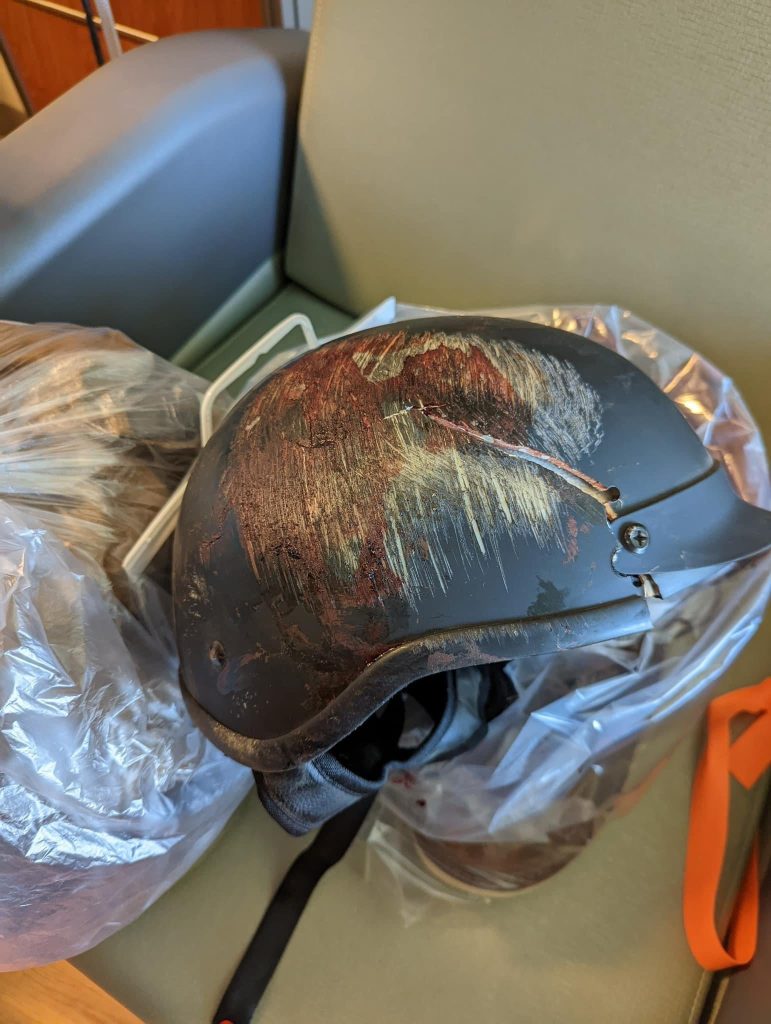
Have you ever wondered if your bike helmet has an expiration date? You might think a helmet is good as long as it looks fine, but there’s more to it than meets the eye.
Your safety depends on whether your helmet can still protect you in a crash. Keep reading to find out how long your helmet really lasts and when it’s time to get a new one. This could make all the difference the next time you hit the road.
Helmet Lifespan
Bicycle helmets protect your head during crashes. Over time, helmets can wear out and lose their strength. Knowing when a helmet expires helps keep you safe.
Many factors affect how long a helmet lasts. These include the materials used and the manufacturer’s advice. Let’s explore these to understand helmet lifespan.
Materials And Durability
Most helmets have a hard outer shell and foam padding inside. The outer shell protects against cuts and scrapes. The foam absorbs impact energy to protect your brain.
- Plastic shells can crack or fade over time.
- Foam may compress or crumble after impacts.
- Straps and buckles can weaken with use and sun exposure.
- Heat and sweat can break down foam and adhesives.
Manufacturer Recommendations
Helmet makers usually give clear guidelines on lifespan. Most suggest replacing helmets every few years, even without a crash.
| Manufacturer | Recommended Replacement Time |
| Brand A | 5 years |
| Brand B | 3 to 5 years |
| Brand C | Every 3 years |
| General Advice | Replace after any crash |

Credit: silverbackbikes.de
Signs Of Wear And Tear
Bike helmets protect your head by absorbing impact. Over time, helmets wear out and lose strength. Checking for signs of wear helps keep you safe.
Look closely at your helmet before riding. Notice any damage or changes in parts. These signs tell you if the helmet is still good.
Cracks And Damage
Cracks in the helmet shell or liner show damage from impacts or age. Even small cracks reduce protection. Scratches and dents also weaken the helmet.
- Check for visible cracks on the outer shell.
- Look inside for liner breaks or dents.
- Inspect for deep scratches or gouges.
- Discard helmets with any serious damage.
Foam Compression
The foam inside the helmet absorbs shocks. Over time, the foam can compress or lose shape. This lowers its ability to protect your head in a crash.
| Foam Condition | What to Check |
| Normal | Foam is firm and holds shape |
| Compressed | Foam feels soft or squished |
| Damaged | Foam has cracks or pieces missing |
Strap Integrity
Helmet straps hold the helmet in place. Straps can fray, stretch, or have broken buckles. Weak straps may fail during a fall.
- Check straps for frayed or worn fabric.
- Test buckles to make sure they lock securely.
- Ensure straps adjust easily without slipping.
- Replace the helmet if straps are damaged.
Impact And Safety Standards
Bicycle helmets protect your head by absorbing energy from impacts. Safety standards ensure helmets meet strict rules. These rules help keep riders safe.
Knowing how helmets absorb impact and checking certification labels can help you pick a safe helmet. It also tells you if the helmet is still reliable over time.
How Helmets Absorb Impact
Bike helmets use foam inside to reduce the force of a hit. The foam compresses on impact. This lowers the energy sent to the head, cutting down on injury risk.
- The outer shell spreads the force across the helmet’s surface.
- The foam layer crushes to absorb shock energy.
- Some helmets have extra pads for better comfort and fit.
- Helmets lose their ability to absorb impact after hard hits or over time.
Certification Labels To Check
Look for safety labels to know if a helmet meets rules. These labels show the helmet passed tests for impact and durability.
| Certification | Region | Key Test |
| CPSC | USA | Impact resistance and retention system |
| EN 1078 | Europe | Shock absorption and strap strength |
| ASTM F1447 | USA | Impact and penetration tests |
| Snell B90/B95 | International | High impact and multi-impact testing |
Factors Affecting Helmet Expiry
Bike helmets protect your head during falls or crashes. Over time, helmets lose their strength and safety. Different factors can make helmets expire faster.
Knowing what affects helmet life helps you decide when to replace it. This keeps you safe on every ride.
Exposure To Sunlight And Heat
Sunlight and heat can damage helmet materials. UV rays break down the foam inside. High temperatures can weaken the helmet shell.
- Keep helmets out of direct sunlight when not in use.
- Avoid leaving helmets in hot cars or near heaters.
- Store helmets in cool, dry places to extend their life.
Sweat And Moisture Effects
Sweat and moisture can harm helmet padding and straps. Wet pads may lose shape and comfort. Moisture can also cause odors and mold.
| Effect | Impact on Helmet |
| Sweat | Weakens padding, causes odor |
| Rain or Water | May reduce strap strength |
| Mold Growth | Damages interior foam |
Frequency Of Use
How often you wear your helmet affects its lifespan. Frequent use causes more wear and tear. Even if no crash happens, materials age with time.
- Check your helmet regularly for cracks or dents.
- Replace helmets after any strong impact.
- Follow manufacturer guidelines on helmet lifespan.
When To Replace Your Helmet
Bike helmets protect your head during accidents. Knowing when to replace your helmet keeps you safe. Helmets wear out over time or after crashes.
This guide explains two main reasons to get a new helmet: after a crash and after a certain time period.
After A Crash
Helmets are designed to absorb impact only once. After a crash, the helmet may have hidden damage. This damage can reduce its ability to protect you in another crash.
- Replace your helmet immediately after any crash, even if it looks fine.
- Check for cracks or dents on the outer shell and foam liner.
- Do not try to repair a damaged helmet.
- Buy a new helmet to ensure full protection.
After A Certain Time Period
Helmets lose strength over time due to wear and sun exposure. Most manufacturers suggest replacing a helmet every few years. The exact time depends on use and storage.
| Helmet Age | Reason to Replace |
|---|---|
| 0-3 years | Helmet is usually safe if no crash occurred |
| 3-5 years | Check for wear; consider replacing if used often |
| 5+ years | Replace helmet due to material degradation |

Credit: silverbackbikes.de
Maintaining Helmet Safety
Bike helmets protect your head during accidents. Keeping them safe means using them the right way.
Proper care helps helmets last longer and stay effective. Learn how to store and clean your helmet.
Proper Storage Tips
Storing your helmet correctly stops damage and keeps it ready for use.
- Keep the helmet in a cool, dry place away from direct sunlight.
- Do not place heavy objects on top of the helmet.
- Store it where it will not fall or get knocked over.
- Avoid leaving the helmet in hot places like a car trunk.
- Use a helmet bag or cover to protect it from dust.
Cleaning Guidelines
Clean your helmet gently to keep its materials strong and safe.
| Cleaning Step | What to Do | What to Avoid |
| Remove Padding | Take out any removable liners or pads carefully. | Do not pull or tear the pads. |
| Wash Pads | Hand wash pads with mild soap and water. | Do not use bleach or strong chemicals. |
| Clean Shell | Wipe the helmet shell with a soft cloth and mild soap. | Avoid abrasive cleaners or scrubbing hard. |
| Drying | Let helmet air dry in a shaded area. | Do not use hair dryers or heaters. |
Choosing A New Helmet
Bike helmets do expire after some years. You should get a new one to stay safe. Old helmets can lose their strength.
Choosing a new helmet means looking at safety, fit, and comfort. This helps protect your head during rides.
Latest Safety Features
New helmets have better safety features than old ones. These features help reduce head injuries in crashes.
Some helmets include advanced foam and impact systems. These absorb shocks and protect your skull well.
- Multi-directional Impact Protection System (MIPS)
- Improved EPS foam for better shock absorption
- Stronger outer shells made from polycarbonate
- Reflective materials for better night visibility
Fit And Comfort
A helmet must fit your head snugly. A good fit keeps the helmet in place during a fall.
Comfort matters for long rides. Look for adjustable straps and padding that you can change.
- Adjustable straps for a secure fit
- Ventilation holes to keep your head cool
- Soft padding to reduce pressure points
- Lightweight design for less neck strain

Credit: asingletrackmind.com
Frequently Asked Questions
Do Bike Helmets Have An Expiration Date?
Yes, most bike helmets expire after 3 to 5 years. Materials degrade over time, reducing protection effectiveness. Always check the manufacturer’s guidelines for specific expiration details.
Why Do Bike Helmets Expire?
Bike helmets expire due to material wear and tear. The foam and plastic lose strength, impacting crash protection. Exposure to sunlight and sweat accelerates this degradation.
Can An Expired Helmet Still Protect You?
An expired helmet offers less protection in crashes. Its materials weaken, increasing injury risk. It’s safest to replace helmets after their expiration date or after a crash.
How To Find A Helmet’s Expiration Date?
Check inside the helmet for a sticker or printed date. Manufacturer manuals often mention shelf life too. If unknown, replace helmets every 5 years for safety.
Conclusion
Bike helmets do expire. Always check your helmet’s condition regularly. Look for cracks or worn areas. Replace helmets every five years. This ensures maximum protection. Safety must be your top priority. A well-maintained helmet safeguards your head effectively. Don’t compromise on this crucial gear.
Understanding expiration helps make informed decisions. Stay informed and protect yourself on the road. Prioritize your safety with a reliable helmet. It can save your life. Happy and safe cycling!