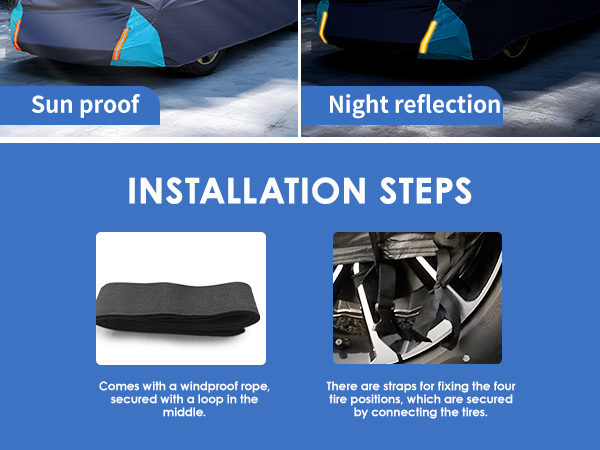
Are you worried about your car overheating or fading under the hot sun? You might be wondering if a blue car cover can actually help by reflecting sunlight.
Choosing the right cover isn’t just about color—it’s about protecting your investment and keeping your car looking great. You’ll discover whether blue car covers reflect sunlight effectively and what that means for your car’s safety and appearance. Keep reading to find out how you can shield your vehicle from harsh sun rays and save yourself from costly damage.
How Sunlight Interacts With Car Covers
Car covers protect vehicles from sunlight and heat. Sunlight affects car covers in different ways.
The way sunlight hits a car cover changes how much heat the cover absorbs or reflects.
Sunlight Spectrum And Car Cover Materials
Sunlight has many colors mixed together. These colors have different energy levels.
Car covers are made from different materials. Some materials block more sunlight than others.
- Polyester blocks sunlight well and reflects heat.
- Polypropylene lets some sunlight pass through.
- Leather or vinyl covers absorb more heat.
- Breathable fabrics help air flow, cooling the car.
Role Of Color In Heat Absorption
Colors change how much sunlight a cover absorbs or reflects. Dark colors absorb more heat.
Blue car covers reflect some sunlight but still absorb heat. Light colors reflect more sunlight.
- Dark blue absorbs more heat than light blue.
- White or silver covers reflect most sunlight.
- Black covers absorb the most heat.
- Reflective coatings boost sunlight reflection.

Credit: www.oreillyauto.com
Blue Car Covers And Sunlight Reflection
Car covers protect vehicles from sun damage. They help keep cars cool by reflecting sunlight.
Blue car covers are popular. Many wonder if blue reflects sunlight well.
Reflective Properties Of Blue Shades
Blue shades reflect sunlight differently. Lighter blues reflect more light than dark blues.
Some blues can absorb heat if they are deep or dark. This affects how cool the car stays.
- Light blue reflects more sunlight
- Dark blue absorbs more heat
- Medium blues reflect a moderate amount
Comparison With Other Colors
Colors like white reflect the most sunlight. Black and dark colors absorb the most heat.
Blue covers reflect less than white but more than black. Choosing the right color helps control heat.
| Color | Sunlight Reflection | Heat Absorption |
|---|---|---|
| White | High | Low |
| Light Blue | Moderate to High | Moderate to Low |
| Dark Blue | Low to Moderate | Moderate to High |
| Black | Low | High |
Material Types Affecting Sunlight Reflection
Car covers protect vehicles from sun damage. The material type plays a key role in reflecting sunlight. Choosing the right material helps keep the car cooler.
Different fabrics reflect sunlight in various ways. Some materials offer better UV protection. Understanding these differences helps pick the best cover.
Common Materials Used In Car Covers
Car covers are made from many fabrics. Each has unique features that affect sunlight reflection and heat buildup.
- Polyester:Lightweight and durable. It reflects some sunlight but can trap heat.
- Polypropylene:Breathable and water-resistant. It reflects sunlight well and reduces heat.
- Canvas:Thick and strong. Offers good UV protection but absorbs more heat.
- PE (Polyethylene):Often used in multi-layer covers. Reflects sunlight effectively and resists water.
- Aluminized fabric:Coated with a shiny layer. Reflects most sunlight and heat.
Impact Of Coatings And Treatments
Coatings improve fabric performance. They can increase sunlight reflection and block UV rays. Treatments also add water resistance.
| Coating Type | Effect on Sunlight Reflection | Additional Benefits |
| Aluminum Coating | High reflection of sunlight | Reduces heat buildup |
| UV Resistant Treatment | Blocks harmful UV rays | Protects paint and fabric |
| Waterproof Coating | Moderate reflection | Keeps cover dry and clean |
| Anti-Dust Treatment | No effect on reflection | Reduces dirt accumulation |

Credit: www.amazon.com
Benefits Of Using Blue Car Covers
Blue car covers offer several advantages for protecting your vehicle. They help keep your car cooler in the sun. They also shield your car from harmful UV rays that can damage paint and interiors.
Choosing a blue car cover can be a smart way to extend your car’s life. This guide explains the main benefits of blue car covers.
Temperature Control
Blue car covers reflect sunlight and reduce heat buildup. This helps keep the car surface cooler. A cooler car means less stress on paint and interior parts.
- Reflects sunlight to reduce heat
- Keeps car interior cooler
- Prevents damage from overheating
- Protects dashboard and seats from fading
Protection Against Uv Damage
UV rays cause paint to fade and crack over time. Blue car covers act as a shield against these rays. Using a cover helps maintain your car’s color and finish longer.
| Damage Type | Effect on Car | How Blue Cover Helps |
| UV Fading | Paint color fades | Blocks UV rays to keep paint bright |
| Cracking | Dashboard and seats crack | Reduces sun exposure to prevent cracks |
| Interior Damage | Materials weaken and discolor | Protects interior from UV harm |
Limitations Of Blue Car Covers In Sunlight
Blue car covers are common for protecting vehicles from sunlight. They offer some reflection but also have limits. Understanding these limits helps in better car care.
This article explains key issues like heat retention and fading. These affect how well blue covers protect your car under the sun.
Heat Retention Challenges
Blue car covers absorb more heat than lighter colors. This can raise the temperature under the cover. High heat may harm the car’s paint and interior.
- Blue fabric traps heat instead of reflecting it fully.
- Heat buildup can cause paint to fade faster.
- Interior materials may warp or crack from trapped heat.
- Cover may feel hot to touch, making handling difficult.
Fading And Wear Over Time
Sunlight causes blue covers to fade and weaken over time. UV rays break down the fabric fibers. This reduces the cover’s lifespan and protection.
| Effect | Impact |
| Color fading | Loss of blue shade, dull look |
| Fabric weakening | Tears and holes develop |
| UV damage | Less effective sun protection |
| Frequent replacement | Higher maintenance cost |

Credit: www.alibaba.com
Tips For Choosing The Right Car Cover Color
Choosing the right color for your car cover is important. It can affect how well it protects your car from sunlight and weather.
This guide helps you pick a color that fits your climate and style needs.
Considering Climate And Usage
Different colors reflect sunlight differently. Light colors reflect more heat, keeping your car cooler. Dark colors absorb heat and may make your car warmer.
- Choose light colors like white or silver for hot, sunny climates.
- Dark colors work well in cold areas to help keep the car warm.
- Consider how often you use the cover and where you park.
- For long-term outdoor use, pick colors that resist fading.
Balancing Aesthetics And Functionality
Your car cover color should look good and protect well. Some colors hide dirt better than others. Bright colors may show stains easily.
| Color | Protection Level | Appearance Maintenance |
| White | High (reflects heat) | Shows dirt easily |
| Blue | Medium (moderate heat reflection) | Hides dirt moderately |
| Black | Low (absorbs heat) | Hides dirt well |
| Silver | High (reflects heat) | Moderate dirt visibility |
Frequently Asked Questions
Do Blue Car Covers Reflect Sunlight Effectively?
Yes, blue car covers can reflect sunlight. Their color helps in minimizing heat absorption. This reduces the interior temperature of the car. However, lighter colors like silver or white may offer better reflection. Choose a cover with UV protection for optimal results.
Are Blue Car Covers Good For Sun Protection?
Blue car covers provide decent sun protection. They can help shield your vehicle from UV rays. This protects the car’s paint and interior from sun damage. Always ensure the cover has UV-resistant material for enhanced protection.
How Do Blue Car Covers Affect Car Temperature?
Blue car covers can help keep car interiors cooler. They reflect a portion of sunlight, reducing heat buildup. This is beneficial in hot climates. However, lighter-colored covers may offer superior cooling effects.
Are Blue Car Covers Durable Against Sun Damage?
Blue car covers can be durable if made with UV-resistant materials. They help prevent sun-related wear and tear. Regular exposure to sunlight can degrade lesser-quality materials. Always choose a cover with UV protection for longevity.
Conclusion
Blue car covers do reflect some sunlight, but not all. The color blue absorbs more heat than white or silver. This means blue covers can keep your car cooler than no cover. Still, they may not be as effective as lighter colors.
Choosing a car cover depends on your climate and needs. A blue cover offers decent protection and style. Remember, car covers protect from dust, dirt, and rain too. Think about what matters most for your vehicle’s care.