Many new mothers wonder, “Do breast pumps hurt?” It is a very common question. Using a breast pump can seem scary at first. But learning about how it feels can help you feel better.
What Is a Breast Pump?
A breast pump is a device that helps mothers get milk from their breasts. It is useful when the baby cannot breastfeed directly. It also helps when a mother needs to be away from her baby. The pump takes milk out so you can feed your baby later.
How Does a Breast Pump Work?
The pump works by making a soft suction on the breast. This suction pulls the milk out gently. The pump has a part called a flange. It fits around your nipple and breast. When the pump starts, it creates a rhythm. It pulls and releases, like a baby’s suckling.
Do Breast Pumps Hurt?
The answer is, it depends. Some mothers feel no pain at all. Others might feel a little discomfort. Pain can happen if the pump is not set right or if it is used too long.
At first, some mothers may feel strange or sensitive. This feeling usually goes away after a few minutes. Once your body gets used to the pump, it should not hurt.
Why Some Women Feel Pain
- Wrong Size Flange: If the flange is too big or too small, it can hurt.
- Strong Suction: If the suction is too high, it can cause pain.
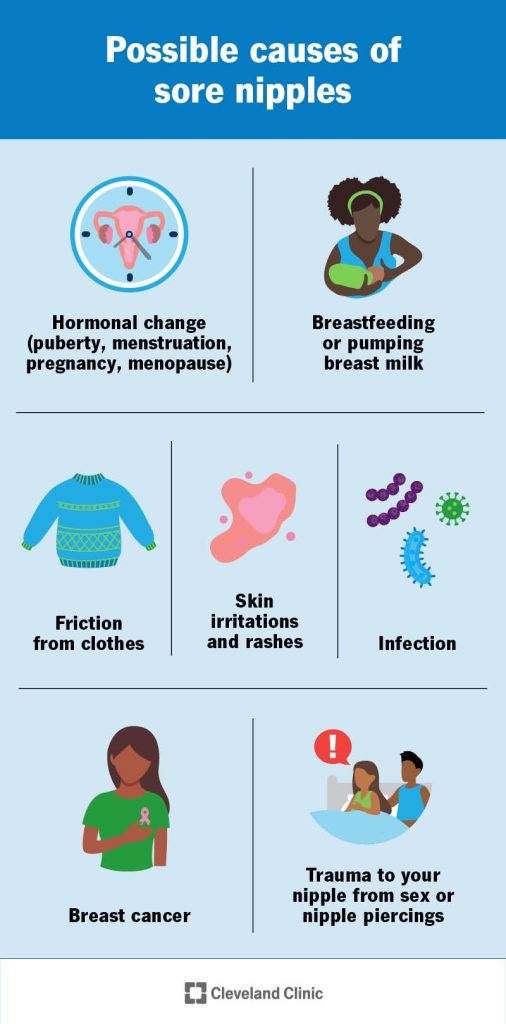
- Cracked or Sore Nipples: If nipples are sore, pumping may hurt more.
- Long Pumping Sessions: Pumping for too long can cause discomfort.
- Incorrect Position: If the pump does not fit well, it can cause pain.
How to Make Breast Pumping Comfortable
Here are some tips to help you avoid pain when using a breast pump.
| Tip | Description |
|---|---|
| Choose the Right Flange Size | Measure your nipple and use the correct flange size. It should fit snugly but not tight. |
| Start with Low Suction | Begin pumping on low suction. Increase slowly until it feels comfortable. |
| Check Your Position | Make sure the flange is centered on your nipple. The pump should not pull your skin. |
| Limit Pumping Time | Do not pump for more than 15 to 20 minutes at a time per breast. |
| Use Warm Compresses | Apply warm cloths to your breasts before pumping. It helps milk flow and eases discomfort. |
| Moisturize Your Nipples | Use nipple cream or lanolin to prevent dryness and cracking. |
| Relax While Pumping | Try to be calm and relaxed. Stress can make pumping feel worse. |
What If Pumping Hurts a Lot?
If you feel strong pain, stop pumping. Check if your pump parts fit well. Look at your nipples for cracks or soreness.
Sometimes, pain may mean you have an infection or other problems. Talk with your doctor or lactation consultant if pain continues. They can help you find the cause and fix it.

Credit: www.reddit.com
Is It Normal to Feel Some Discomfort?
Yes. Some discomfort is normal at first. Your nipples and breasts need time to get used to the pump. The feeling should get better with each use.
If you feel pain like burning or sharp stabs, do not ignore it. This is not normal and needs help.
Benefits of Using a Breast Pump
Even if pumping causes a little discomfort, it has many good points. Here are some benefits:
- Helps feed your baby when you are away.
- Keeps your milk supply strong.
- Allows others to feed your baby with your milk.
- Can relieve breast fullness and reduce pain from engorgement.

Credit: www.reddit.com
Different Types of Breast Pumps
There are several types of breast pumps. Some may feel different than others.
| Type | Description | Comfort Level |
|---|---|---|
| Manual Pumps | You pump by hand. You control the suction and speed. | Can be gentle if used carefully. |
| Electric Pumps | Use a motor to create suction. Often have adjustable suction levels. | Comfort depends on settings and fit. |
| Double Electric Pumps | Pump both breasts at the same time. Saves time. | May feel stronger but adjustable. |
| Hospital-Grade Pumps | Very strong pumps used in hospitals. Usually rented. | May feel stronger and less comfortable. |
Choose a pump that fits your needs and feels comfortable. Start slowly and learn how your body reacts.
Frequently Asked Questions
Do Breast Pumps Cause Pain During Use?
Breast pumps might cause mild discomfort if suction is too high or flanges don’t fit well.
How To Reduce Pain When Using A Breast Pump?
Use the correct flange size and start with low suction to avoid pain.
Can Using A Breast Pump Damage Nipples?
Improper use or wrong size flanges can cause nipple soreness or damage.
Does Breast Pump Pain Mean It’s Not Working?
Pain doesn’t always mean the pump is ineffective but may signal incorrect use.
Conclusion
Do breast pumps hurt? Sometimes they can cause mild discomfort. But with the right size, suction, and care, they should not hurt much.
It is important to listen to your body. Adjust the pump settings if needed. Take breaks and care for your nipples.
Breast pumps help many mothers feed their babies. They are useful tools that can work well without pain. If you have strong pain, talk to a health expert.
Remember, every mother is different. What feels okay for one may not for another. Take your time. Find what works best for you.