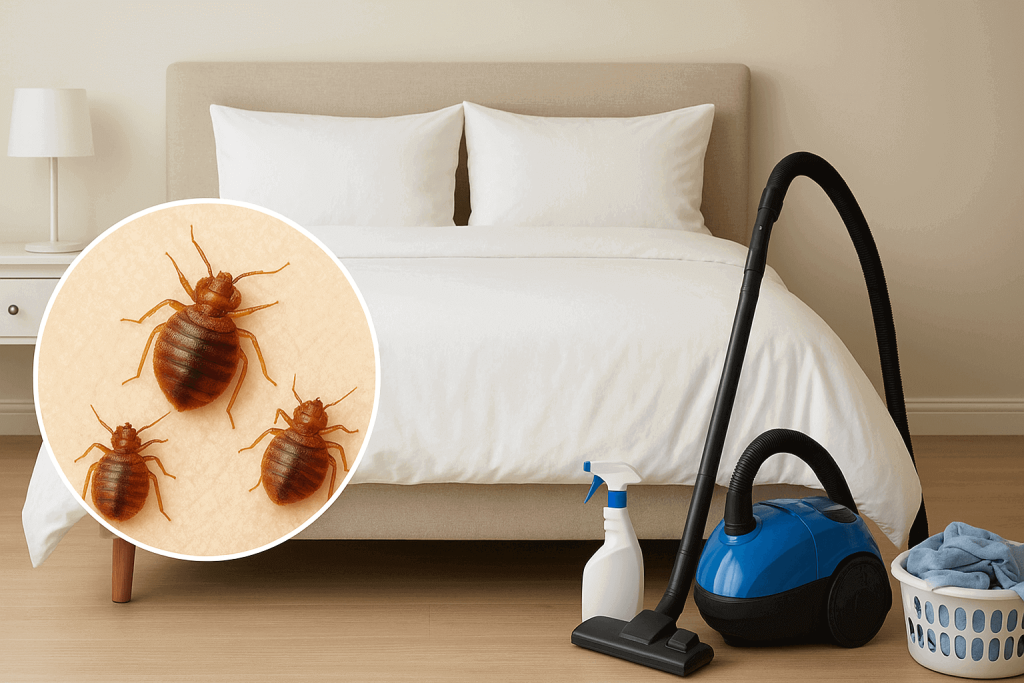
Have you ever wondered what happens to bugs when you vacuum them? You might think that a quick sweep with the vacuum cleaner is the end of their journey.
But is it really? This question is more intriguing than it seems and might have you rethinking your cleaning routine. Imagine the peace of mind that comes with knowing exactly what happens to those little invaders once they disappear into the vacuum’s nozzle.
You’ll uncover the truth behind this common household mystery. Could your vacuum be more effective than you thought, or are these bugs tougher than they appear? Stick around to find out—you might be surprised by the answer!
How Vacuums Affect Bugs
Understanding how vacuums affect bugs can change the way you handle unwanted pests at home. Many people believe that sucking bugs into a vacuum means immediate death, but the reality is more complex. Let’s break down what really happens when bugs meet your vacuum cleaner.
The Mechanics Of A Vacuum Cleaner
A vacuum cleaner works by creating strong suction that pulls in dirt, debris, and yes, bugs. Inside, a fan spins rapidly to generate this suction force, drawing everything into a dustbin or bag.
However, not all vacuums are built the same. Some have powerful motors that can cause more damage to bugs, while others simply trap them alive in the container. The impact depends on the vacuum’s strength and design.
Have you ever noticed that some bugs seem to survive the vacuum and crawl out later? This is because they are not always killed instantly by suction alone.
Common Bug Reactions Inside Vacuums
Once inside the vacuum, bugs react in different ways based on their species and size. Some insects, like cockroaches, can survive the initial shock due to their hard exoskeletons.
- Many bugs enter a state of shock and become immobile.
- Others curl up or cling tightly to surfaces, resisting the airflow.
- Smaller or softer-bodied bugs, such as fruit flies, are more likely to die quickly from the force and impact inside the vacuum.
In some cases, bugs survive long enough to escape once the vacuum is emptied. Would you expect your vacuum to be a temporary holding cell rather than a deadly trap?
Knowing these details can help you choose the right vacuum or combine vacuuming with other pest control methods to be more effective.
Credit: www.brodybrotherspestcontrol.com
Do Bugs Actually Die In Vacuums?
Many people wonder if bugs die instantly when vacuumed. The truth is not simple. Some bugs do die, but others survive the trip inside the vacuum bag or canister. Their survival depends on many things. Understanding this can help decide the best way to handle unwanted insects.
Survival Rates Of Different Bug Species
Different bugs react differently to vacuuming. Some are fragile and die quickly. Others are tougher and can survive for hours or even days.
- Ants and small flies often die fast due to their soft bodies.
- Spiders and beetles have hard shells that protect them.
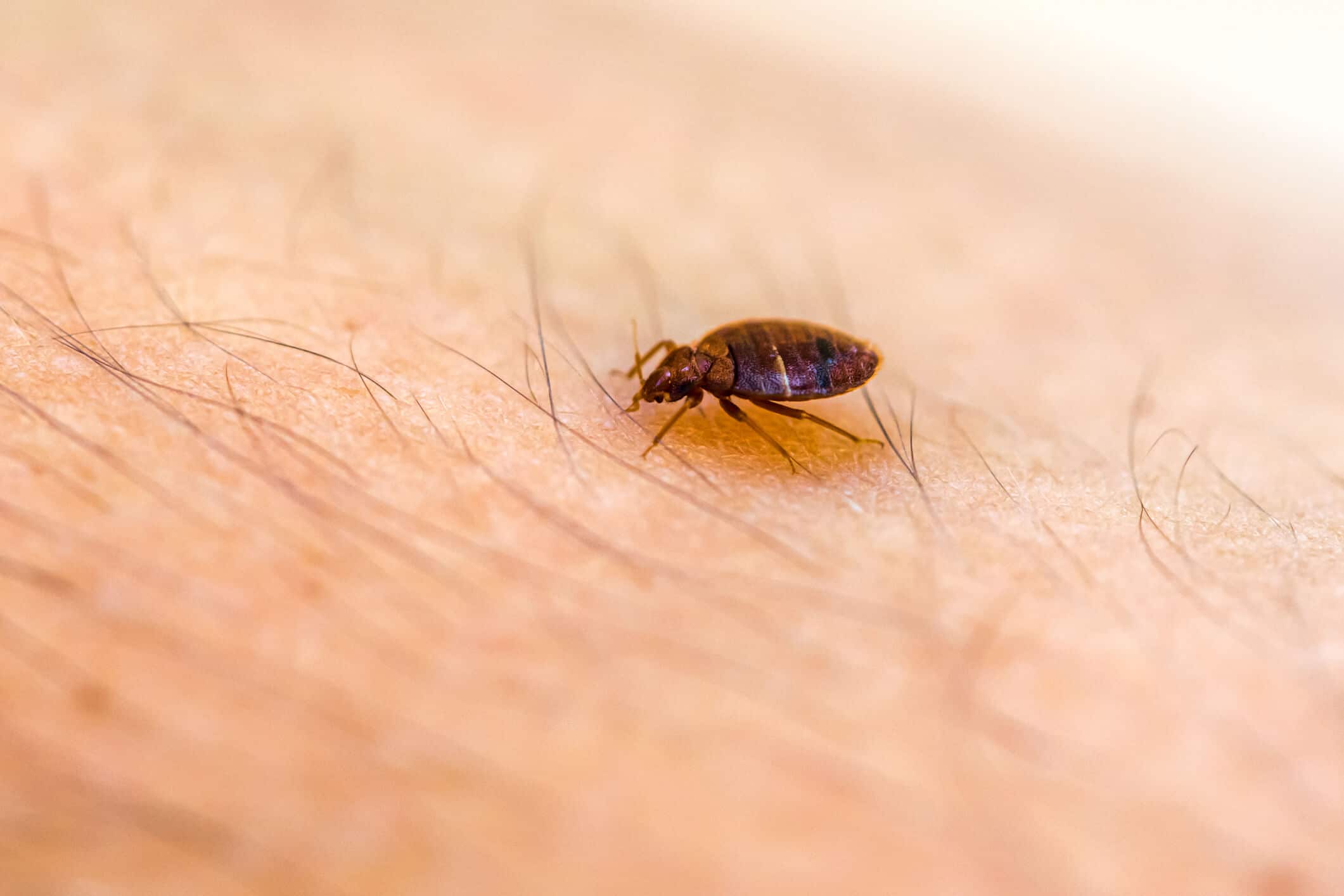
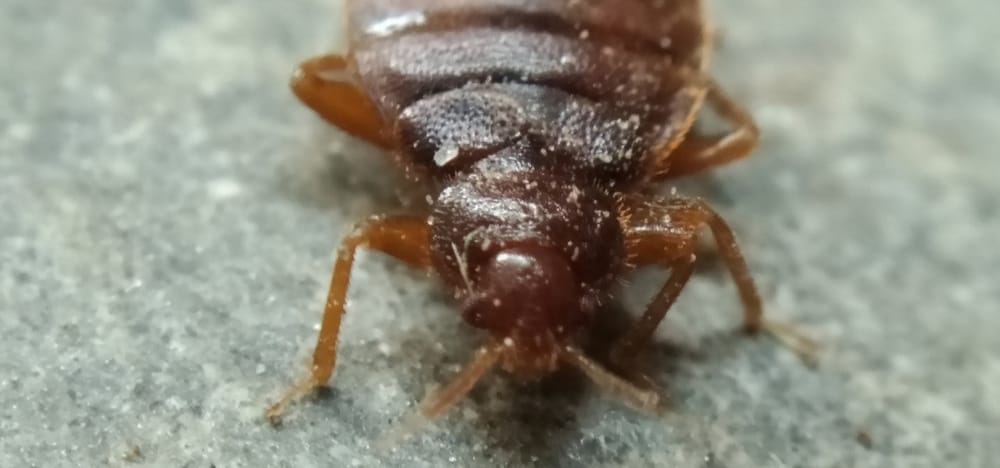
- Bed bugs can survive vacuuming because they are resilient and hide well.
The bug’s size and body type affect how well it survives inside the vacuum.
Factors Influencing Bug Survival
Several factors affect whether bugs live or die in a vacuum. The vacuum’s power, the type of vacuum, and the bug’s location inside the machine matter.
- Strong suction may harm or kill more bugs.
- Vacuum bags trap bugs better than bagless canisters.
- Time inside the vacuum is critical; longer time means higher chance of death.
- Some bugs can cling to surfaces, avoiding harm.
Temperature and humidity inside the vacuum also affect bug survival. Dry and warm conditions can kill bugs faster.
What Happens To Bugs After Vacuuming
Vacuuming bugs does not always mean they die instantly. What happens to these tiny creatures depends on several factors. The vacuum’s power, the bug’s size, and the type of vacuum all play a role. Some bugs may survive the initial suction and end up inside the vacuum bag or canister. Others might get trapped and die quickly due to lack of air or injury.
Understanding bug behavior after vacuuming helps manage pest problems better. It also explains why some bugs might reappear later. Below, we explore what bugs do inside the vacuum and their chances of escape.
Bug Behavior Inside The Vacuum Bag Or Canister
Bugs inside a vacuum bag or canister face a harsh environment. The sudden change from open space to a confined area causes stress. Lack of air and light makes it hard for them to survive.
Some bugs die quickly due to injury or suffocation. Others may enter a state of shock and stay still. Certain resilient bugs can survive longer, waiting for a chance to escape. The vacuum’s design affects how long bugs live inside.
Potential For Bugs To Escape
Vacuum bags and canisters are not always bug-proof. Small cracks or loose seals can allow bugs to crawl out. Some bugs are strong and can fight through the debris. They may find gaps in the vacuum to escape.
Reusable vacuum canisters especially pose a risk. Bugs trapped inside can survive for hours or days. Emptying the canister outdoors helps prevent bugs from returning. Proper maintenance and disposal reduce chances of escape.

Credit: www.hooverdirect.co.uk
Alternatives To Vacuuming Bugs
Vacuuming bugs might seem like a quick fix, but it’s not always the best way to handle unwanted pests. Many bugs survive the vacuum or end up hurt but not dead, which can lead to bigger problems later. Luckily, there are better alternatives that protect both you and the bugs, especially if you want to avoid harming beneficial insects or creating a mess.
Safe Bug Removal Methods
Have you ever tried catching a bug with a glass and a piece of paper? This simple method lets you safely trap and release bugs outside without causing them harm. It’s a gentle approach that works well for larger bugs like spiders or beetles.
Sticky traps are another option that helps catch bugs without vacuuming. Place these in corners or near windows to monitor and reduce bug activity. Just remember to check them regularly to avoid unnecessary suffering.
Using a handheld bug catcher with soft bristles or a gentle brush can sweep bugs onto a surface for easy relocation. This avoids the suction trauma caused by vacuums, making it a kinder choice for delicate insects.
Preventing Bug Infestations
Prevention is often easier than removal. Sealing cracks and gaps around windows, doors, and baseboards stops bugs from entering your home in the first place. Do you know where most of your bugs are coming from?
Keeping your living space clean also discourages bugs. Crumbs, food spills, and clutter attract pests looking for a meal or shelter. Regularly wiping down surfaces and vacuuming corners can make a big difference.
Consider natural repellents like essential oils (peppermint, eucalyptus) placed near entry points. These scents can deter bugs without harsh chemicals. Have you tried this simple trick in your home?
Health And Hygiene Considerations
Understanding the health and hygiene aspects of vacuuming bugs is essential. Bugs can carry bacteria, allergens, and sometimes harmful pathogens, so how you handle them after vacuuming matters. Taking a few simple steps can keep your home safe and clean.
Cleaning Your Vacuum After Bug Removal
After vacuuming bugs, it’s important to clean your vacuum thoroughly. Bugs, especially live ones, can leave behind dirt, eggs, or droppings that may cause odors or attract more pests.
Empty the vacuum bag or canister immediately. Wipe down the inside with a disinfectant wipe or a damp cloth mixed with mild soap. Don’t forget to clean the brush roll and any attachments that came in contact with the bugs.
Have you ever noticed a strange smell coming from your vacuum after cleaning? That often means some bug remnants were left inside. Regular cleaning prevents this and keeps your vacuum working well.
Risks Of Bug Contamination
Bugs can carry germs or allergens that might spread inside your vacuum. If the vacuum isn’t cleaned properly, these contaminants can be released back into the air when you use it again.
Some bugs, like cockroaches or spiders, can trigger allergies or asthma. Even tiny mites can cause skin irritation or respiratory problems. This raises the question: is simply vacuuming enough to protect your health?
To reduce risk, consider using a vacuum with a HEPA filter. This captures tiny particles and prevents them from recirculating. Also, wearing gloves while cleaning your vacuum can protect you from direct contact with harmful substances.
Credit: convectex.com
Frequently Asked Questions
Do Bugs Die Instantly When Vacuumed?
Not all bugs die instantly when vacuumed. Many survive the suction but may die later due to injury or dehydration. The vacuum’s power and bug type influence survival rates.
Can Vacuuming Bugs Prevent Infestations Effectively?
Vacuuming removes visible bugs and eggs, reducing infestation risks. However, it doesn’t eliminate all pests, so combine vacuuming with other pest control methods for best results.
Does Vacuuming Spread Bacteria Or Germs From Bugs?
Vacuuming bugs may spread some bacteria if the vacuum isn’t cleaned regularly. Using a vacuum with a HEPA filter and cleaning it after use helps reduce this risk.
What Types Of Bugs Survive Vacuum Suction Best?
Smaller, hard-bodied bugs like ants and beetles often survive vacuum suction. Soft-bodied bugs like flies and spiders are more likely to be killed instantly by vacuum pressure.
Conclusion
Vacuuming bugs can kill some of them, but not all. Many insects survive the trip inside the vacuum. They might hide or crawl out later. Using a vacuum helps control bugs quickly and without chemicals. Still, it’s smart to check and empty the vacuum often.
This stops bugs from coming back into your home. Combining vacuuming with other methods works best to keep bugs away. Understanding how vacuuming affects insects helps you manage them better. It’s a simple, handy tool in your fight against unwanted bugs.