Have you ever wondered what makes your car’s air conditioner blow cold air? You might have heard the term “Freon” but aren’t sure if it’s what your car’s AC uses.
Understanding this can help you take better care of your vehicle and avoid costly repairs. You’ll discover what Freon really is, whether your car’s air conditioner depends on it, and what that means for you. Keep reading to unlock the secrets behind your car’s cooling system and make sure you’re not missing out on simple tips to stay comfortable all year round.

Credit: www.reddit.com
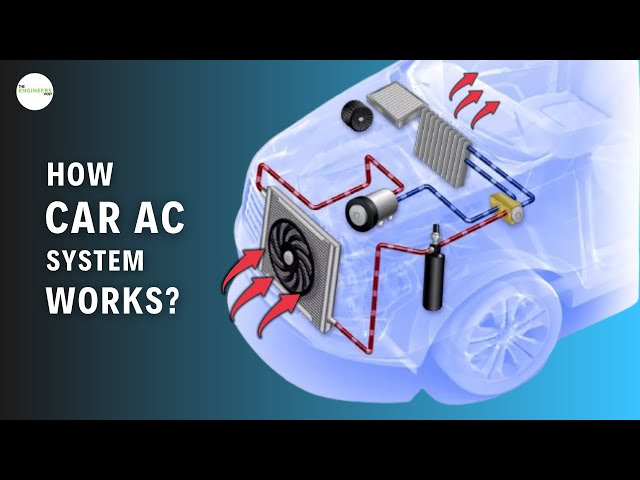
How Car Air Conditioners Work
Car air conditioners keep the inside of your car cool. They do this by removing heat from the air. The system uses special parts to move heat outside.
The cooling process relies on a closed loop of fluid called refrigerant. This fluid changes from gas to liquid and back to gas as it moves through the system.
Basic Cooling Cycle
The cooling cycle has four main parts: compressor, condenser, expansion valve, and evaporator. Each part has a specific job in the process.
- Compressor:This part squeezes the refrigerant gas, making it hot and high pressure.
- Condenser:The hot gas moves here and cools down. It changes into a liquid by releasing heat outside the car.
- Expansion Valve:This valve lowers the pressure of the liquid refrigerant, making it cold.
- Evaporator:The cold refrigerant absorbs heat from inside the car. It changes back into a gas.
This cycle repeats to keep the air inside the car cool and comfortable. The system depends on the refrigerant to carry heat out.
Role Of Refrigerants
Refrigerants are the fluids that move heat in the air conditioner. They change state from gas to liquid and back to gas to absorb and release heat.
| Refrigerant Type | Common Use | Environmental Impact |
| Freon (R-12) | Older car models | High ozone depletion potential |
| R-134a | Most cars from 1990s to 2010s | Lower ozone impact, higher global warming potential |
| R-1234yf | Newer car models | Low global warming potential |
Freon was widely used in older cars but is being replaced. New refrigerants work better and harm the environment less.
Credit: www.youtube.com
What Is Freon
Freon is a brand name for chemicals called refrigerants. These chemicals help cool the air in air conditioners.
Car air conditioners use Freon to remove heat from inside the vehicle. This makes the car cooler and comfortable.
Types Of Freon Used In Vehicles
Different types of Freon have been used in cars over the years. The types changed to protect the environment.
- R-12: Older cars used this type. It is harmful to the ozone layer.
- R-134a: This replaced R-12 in most cars after the 1990s.
- R-1234yf: Newer cars use this because it is safer for the environment.
Environmental Impact
Some types of Freon can damage the ozone layer and cause global warming. This is why safer types are now used.
R-12 was phased out because it harms the ozone layer. R-134a does not harm ozone but can warm the planet. R-1234yf has less impact on the environment.
Freon Vs Modern Refrigerants
Car air conditioners use refrigerants to cool the air inside the vehicle. Freon was the main refrigerant used for many years. Today, newer refrigerants replace Freon in most cars.
These modern refrigerants are safer for the environment and work better in car air conditioners. Let’s look at the differences between old Freon and new refrigerants.
R-12 And Its Replacement R-134a
R-12 was the original Freon used in car air conditioners. It cooled well but harmed the ozone layer. Because of this, R-12 is no longer made or used in new cars.
R-134a replaced R-12 in most cars after the 1990s. It does not damage the ozone layer like R-12 did. Many older cars still use R-134a today.
- R-12 damages the ozone layer
- R-134a is safer for the environment
- Both work well to cool car air conditioners
- R-134a is the standard for older car models
New Generation Refrigerants
New generation refrigerants like R-1234yf are now used in most new cars. They have very low impact on the environment. These refrigerants also use less energy.
Car makers choose these modern refrigerants to meet strict environmental rules. They keep the car cool while reducing harm to the planet.
- R-1234yf has low global warming potential
- It replaces R-134a in new car models
- Works efficiently in car air conditioning systems
- Helps reduce environmental damage
Signs Of Refrigerant Issues
Car air conditioners use refrigerants like Freon to cool the air. If there is a problem with the refrigerant, your AC may not work well. Knowing the signs can help you fix the issue early.
Refrigerant problems often show clear symptoms. These affect the AC’s ability to cool and can cause damage if ignored.
Common Symptoms
When refrigerant levels are low or leaking, several symptoms appear. Watch for these signs to spot refrigerant issues.
- Weak or warm air coming from the AC vents
- Hissing or bubbling noises near the AC system
- Frost or ice buildup on AC pipes
- Unusual smells inside the car when AC runs
- Higher engine temperature or overheating
Effects On Ac Performance
Low refrigerant reduces the AC’s cooling power. It forces the system to work harder, which can cause damage over time.
| Effect | Description |
|---|---|
| Reduced Cooling | Air feels less cold, causing discomfort in hot weather |
| Increased Fuel Use | AC system uses more energy, lowering fuel efficiency |
| Compressor Damage | Low refrigerant can cause the compressor to fail |
| System Freezing | Ice forms on pipes, blocking refrigerant flow |
Refilling And Maintaining Refrigerant
Car air conditioners use refrigerants to cool the air inside the vehicle. Freon was a common refrigerant, but newer cars use different types now.
Maintaining the right level of refrigerant keeps your AC working well. Refilling the refrigerant is important if the system loses some over time.
When To Recharge
You should recharge the refrigerant if the AC blows warm air or cools less than before. Low refrigerant usually means a leak.
Other signs include strange noises or the AC shutting off unexpectedly. Check your car manual for specific intervals to service the AC.
- Warm air from vents
- Weak airflow
- Unusual noises from AC system
- Visible leaks under the car
Diy Vs Professional Service
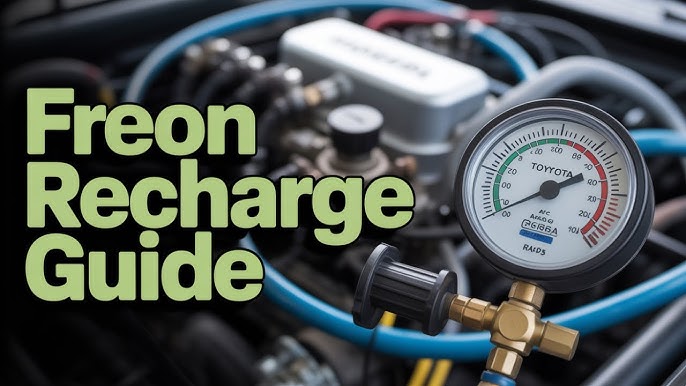
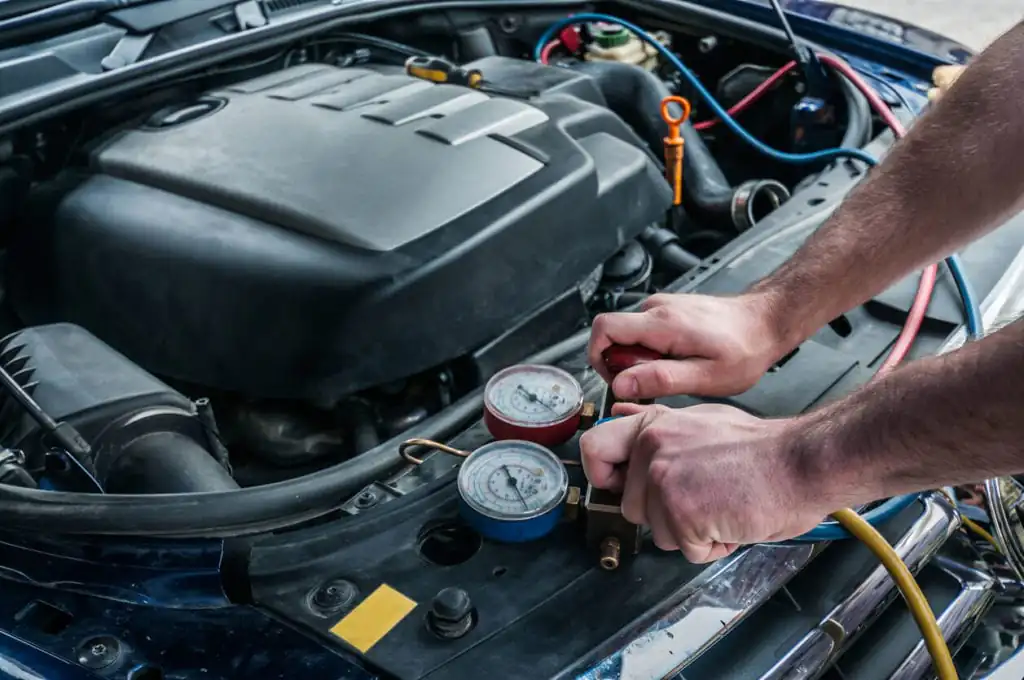
Refilling refrigerant can be done at home with a kit, but it needs care and the right tools. Incorrect refilling can damage the system.
Professionals have equipment to check for leaks and safely refill the right amount of refrigerant. They also handle harmful chemicals properly.
- DIY is cheaper but riskier
- Professionals find leaks and fix them
- Proper tools ensure correct refrigerant level
- Safety with handling refrigerants
Credit: www.sunautoservice.com
Legal And Environmental Regulations
Car air conditioners often use chemicals that impact the environment. Laws and rules control which chemicals can be used. These rules help protect the air we breathe and reduce harm to the planet.
This section explains rules about Freon, a common cooling chemical. It also shows safe ways to handle these substances to keep people and nature safe.
Freon Phase-out Policies
Freon contains chemicals that damage the ozone layer. Many countries have laws to stop using Freon in car air conditioners. These laws push for safer alternatives to protect the environment.
| Policy | Details | Impact |
| Montreal Protocol | Global agreement to reduce ozone-depleting substances | Phased out many types of Freon |
| EPA Regulations (USA) | Bans use of certain Freon types in new vehicles | Encourages use of eco-friendly refrigerants |
| EU F-Gas Regulation | Limits use and emissions of fluorinated gases | Promotes low-GWP refrigerants in cars |
Safe Handling Practices
Handling car air conditioner refrigerants requires care. Technicians must follow safety rules to avoid leaks and harm. Proper tools and training are important for safe use.
- Use certified equipment to recover refrigerants
- Wear protective gear during repairs
- Recycle or dispose of refrigerants properly
- Check for leaks regularly to prevent emissions
- Follow local laws for refrigerant handling
Frequently Asked Questions
Do Car Air Conditioners Still Use Freon?
Most modern car AC systems no longer use Freon (R-12). They use R-134a or newer refrigerants. Freon was phased out due to environmental concerns, mainly ozone depletion.
What Refrigerant Replaces Freon In Car Acs?
R-134a replaced Freon in car air conditioners. Newer models may use R-1234yf, a more eco-friendly refrigerant. These alternatives cool efficiently without harming the ozone layer.
How Often Should Car Ac Refrigerant Be Refilled?
Car AC refrigerant should be checked annually. Refilling is needed only when there’s a leak or reduced cooling. Proper levels ensure the system runs efficiently and avoids damage.
Can I Use Freon To Recharge My Car Ac?
No, Freon (R-12) is not compatible with most car AC systems today. Using the correct refrigerant specified by the manufacturer is crucial for safety and performance.
Conclusion
Car air conditioners often use Freon for cooling. It’s vital for efficiency. Freon ensures your car stays comfortable in hot weather. Regular maintenance keeps the system running smoothly. Check for leaks and recharge the Freon when needed. Many modern cars use eco-friendly alternatives.
Consider upgrading if environmental impact concerns you. Always consult a professional for AC issues. They ensure safe and effective service. Understanding your car’s AC helps prolong its lifespan. Enjoy a cool ride, even on the hottest days.