Have you ever been jolted awake or distracted by a car alarm blaring for what feels like forever? You might wonder, “Do car alarms eventually turn off on their own?” If you’ve been stuck listening to that nonstop noise, you’re not alone.
Understanding how car alarms work and whether they shut off can save you from frustration and help you react smartly next time it happens. Keep reading to uncover the surprising truth behind car alarms and how long they really last.
How Car Alarms Work
Car alarms protect vehicles by making loud sounds when someone tries to steal or break in. They warn the owner and scare away thieves.
The alarms connect to sensors that detect unusual actions. These sensors trigger the alarm to go off.
Types Of Car Alarms
There are several car alarm types. Each type uses different technology to protect cars.
Some alarms use sound only, while others connect to phones or use GPS tracking.
- Audible alarms that beep or sound loudly
- Silent alarms that notify the owner quietly
- GPS alarms that track the car’s location
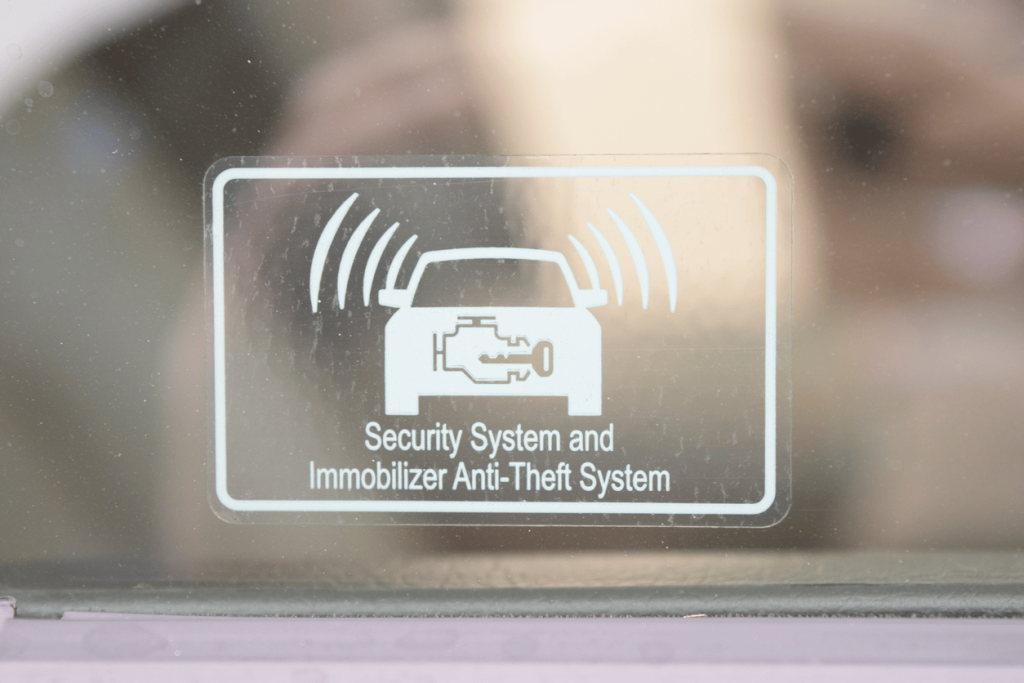
- Immobilizer alarms that stop the engine from starting
Trigger Mechanisms
Car alarms activate through triggers. These triggers detect attempts to open or move the car.
Common triggers include doors opening, windows breaking, or motion near the vehicle.
- Door sensors detect opening without a key
- Shock sensors detect impacts or vibrations
- Motion sensors detect movement inside or around the car
- Glass break sensors detect broken windows
Alarm Duration Settings
Car alarms usually sound for a limited time. This prevents battery drain and noise disturbance.
The alarm will often turn off after a set period. Some can reset and trigger again if the threat continues.
- Standard alarms last about 30 seconds to 3 minutes
- Some alarms repeat the sound if the trigger stays active
- Owners can sometimes adjust alarm length on their systems
- After the alarm stops, it resets for new triggers

Credit: www.whocanfixmycar.com
Automatic Shutoff Features
Car alarms are designed to alert owners of theft or break-ins. Most alarms include automatic shutoff features. These features stop the alarm after a set time.
This helps avoid noise pollution and battery drain. The time before shutoff depends on the alarm system type.
Factory Default Timers
Factory-installed car alarms usually have preset shutoff timers. These timers turn off the alarm after a certain period.
Most factory alarms stop sounding after about 30 seconds to 3 minutes. This limit protects the car’s battery and reduces noise.
Aftermarket Alarm Systems
Aftermarket alarms offer more options for automatic shutoff. They often allow users to set the timer length.
Some systems can shut off after a short time or keep sounding longer for extra security. Settings vary by brand and model.
Factors Influencing Shutoff Time
Several factors change how long a car alarm will sound before stopping automatically.
- Type of alarm system (factory or aftermarket)
- Battery condition and power supply
- Settings chosen by the owner or installer
- Car model and manufacturer preferences
- Legal noise restrictions in the area
Why Alarms Keep Ringing
Car alarms can be very loud and annoying when they keep ringing. Sometimes they do not stop on their own. This happens because of different reasons inside the alarm system.
Understanding why alarms keep ringing helps car owners fix the problem fast. Below are some common causes of this issue.
Faulty Sensors
Car alarms use sensors to detect movement or damage. If these sensors are broken or dirty, they can send false alarms. This makes the alarm ring without real danger.
Common sensor problems include loose wires or damaged parts. These issues cause the alarm to keep ringing until fixed.
Battery Issues
Low or weak batteries in the car or alarm system can cause alarms to ring continuously. The alarm may not get enough power to stop properly.
Sometimes, the car battery is fine but the alarm’s backup battery is dead. This backup battery helps the alarm work when the car battery is off.
Environmental Triggers
External factors like strong winds, loud noises, or vibrations can trigger car alarms. These triggers make the alarm think the car is in danger.
Parking near construction or busy streets may cause alarms to ring more often. The alarm reacts to many small movements or sounds.
How To Turn Off A Car Alarm
Car alarms can be loud and annoying when they go off unexpectedly. Knowing how to turn off a car alarm helps you stop the noise quickly.
This guide explains simple ways to stop your car alarm using the key fob, manual methods, and when to get professional help.
Using The Key Fob
The key fob is the easiest way to turn off a car alarm. Pressing the unlock or lock button usually stops the alarm sound.
If the alarm keeps ringing, try pressing the key fob buttons several times or holding the unlock button for a few seconds.
- Press unlock button once
- If alarm continues, press lock button
- Hold unlock button for 3-5 seconds
- Replace key fob battery if no response
Manual Disarm Methods
If the key fob does not work, you can try manual methods to stop the alarm. This often involves using the car key or ignition.
Turning the ignition on and off quickly or locking and unlocking the doors with the key can reset the alarm system.
- Insert key into the driver’s door and turn it to unlock
- Turn the ignition to the ON position, then OFF
- Lock and unlock the doors manually
- Open the hood or trunk if the alarm is triggered there
When To Seek Professional Help
If the alarm keeps ringing and you cannot stop it, a professional can help. Persistent alarms may signal a problem with the system.
A mechanic or car alarm specialist can check the wiring, sensors, and control unit to fix the issue safely.
- Alarm sounds continuously without stopping
- Key fob and manual methods do not work
- Alarm triggers randomly without cause
- Car alarm system is old or damaged
Preventing False Alarms
Car alarms can stop on their own, but false alarms cause problems. Learning how to prevent false alarms helps keep your car safe. This guide covers simple ways to avoid them.
False alarms waste your time and annoy neighbors. They can happen if the system is not well maintained or installed. Upgrading your alarm can also reduce false alerts.
Regular Maintenance Tips
Keeping your car alarm in good shape stops many false alarms. Check the system often and fix any issues fast. Dirt, loose wires, and dead batteries can cause problems.
- Clean sensors and remove dust or dirt
- Check wiring for loose or damaged parts
- Replace batteries regularly
- Test the alarm system monthly
- Fix any error codes shown on the alarm panel
Proper Installation Practices
Installing your car alarm correctly is key to stop false alarms. A bad install causes the alarm to trigger at the wrong times. Use a professional or follow instructions carefully.
| Installation Step | Reason |
|---|---|
| Place sensors away from loose parts | Prevents false triggers from vibrations |
| Secure all wires tightly | Stops short circuits and false alerts |
| Connect to the correct power source | Ensures stable alarm operation |
| Test all functions after installation | Find errors before use |
Upgrading Alarm Systems
New alarm models have better features to prevent false alarms. Upgrading your system can add smart sensors and better controls. This helps your car stay secure without false warnings.
- Choose alarms with adjustable sensitivity
- Look for systems with motion and shock sensors
- Select alarms with smartphone alerts
- Update software regularly if available

Credit: www.whocanfixmycar.com
Legal And Neighborhood Considerations
Car alarms are designed to protect vehicles from theft. Yet, their noise can affect the people nearby. Understanding the legal rules and community impact is important.
This section explains local noise laws, how alarms affect neighbors, and ways to handle alarms that do not stop.
Local Noise Regulations
Many places have laws that limit loud noises at night or for long times. Car alarms that ring for minutes or hours can break these rules. Police may respond if alarms cause too much noise.
- Noise limits vary by city and state.
- Some places allow alarms to ring for only 5 minutes.
- Repeated loud alarms can lead to fines for the car owner.
- Emergency services may be called for ongoing noise.
Impact On Community
Loud or long-lasting car alarms can disturb neighbors. This noise can cause stress, sleep problems, and reduce peace in the area. People may feel unsafe or annoyed when alarms go off without reason.
| Effect | Description |
| Sleep Loss | Interrupted rest from loud alarms |
| Stress | Increased anxiety and frustration |
| Community Tension | Neighbors may argue or complain |
| Safety Concerns | False alarms can reduce trust in real threats |
Dealing With Persistent Alarms
Some car alarms keep ringing for a long time. Owners and neighbors should know how to act to stop or report these alarms quickly.
- Car owners should check their alarm system for malfunctions.
- Neighbors can politely inform the owner if possible.
- Contact local authorities if the alarm runs longer than allowed.
- Use community groups to report repeated disturbances.
- Consider professional alarm services that limit noise time.

Credit: www.reddit.com
Frequently Asked Questions
How Long Do Car Alarms Typically Stay On?
Car alarms usually sound for about 1 to 3 minutes. Some models automatically shut off to prevent battery drain. However, older alarms may keep ringing until manually turned off or the battery dies.
Why Do Car Alarms Eventually Stop Ringing?
Car alarms stop to conserve the car battery and reduce noise pollution. Most modern alarms have timers to disable the siren after a set period. This feature helps avoid continuous disturbance and unnecessary battery drain.
Can A Car Alarm Reset Itself After Turning Off?
Yes, many car alarms reset and rearm automatically after turning off. This keeps the vehicle protected if the initial trigger was a false alarm. The system stays vigilant for any new threats without manual intervention.
What Factors Influence How Long A Car Alarm Sounds?
Alarm duration depends on the alarm model, car battery health, and settings. Some alarms have adjustable timers. Battery strength also impacts how long the siren can function before power runs out.
Conclusion
Car alarms can indeed turn off by themselves. This often happens after a few minutes of sounding. Sensors in the alarm system reset, stopping the noise. This feature helps prevent battery drain. It also limits noise pollution in neighborhoods. Always ensure your car alarm works properly.
Regular maintenance can prevent false alarms. Remember, a reliable alarm keeps your vehicle safer. Understanding how your car alarm functions is useful. It can save time and prevent unnecessary stress. Keep your vehicle protected and your peace intact.