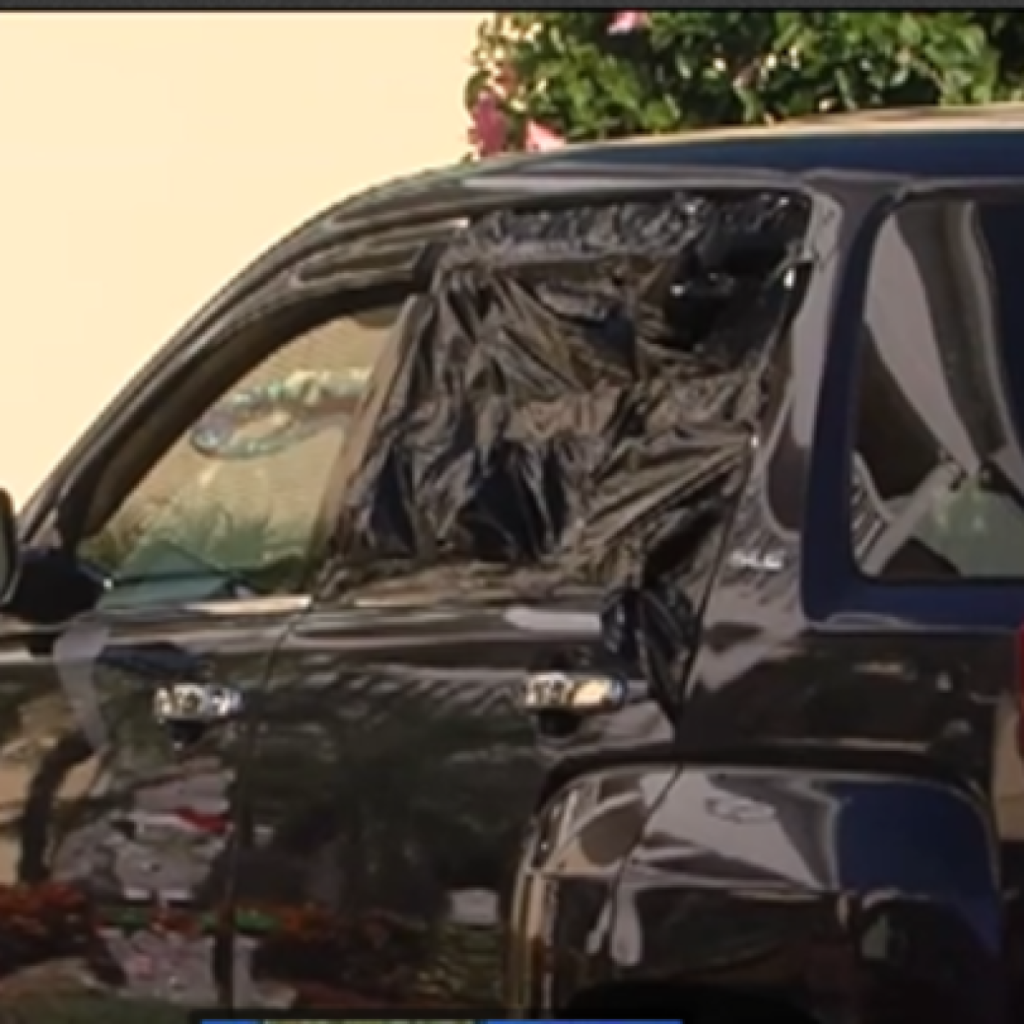
Have you ever wondered if your car alarm will sound the moment a window is broken? You rely on your car alarm to protect your vehicle, but does it always react when someone tries to smash a window?
Understanding how car alarms work can give you peace of mind and help you take better steps to keep your car safe. You’ll discover exactly what triggers your car alarm and what happens if a window is shattered. Keep reading to learn what you need to know to protect your vehicle effectively.

Credit: www.reddit.com
How Car Alarms Detect Break-ins
Car alarms use different sensors to detect when someone tries to break into the vehicle.
These sensors can sense impacts, sound, or movement to trigger the alarm.
Role Of Shock Sensors
Shock sensors detect vibrations or impacts on the car body.
They sense if someone hits, bumps, or shakes the vehicle roughly.
- Shock sensors have adjustable sensitivity levels.
- They help avoid false alarms from small hits or wind.
- Strong impacts usually trigger the alarm immediately.
Glass Break Sensors Explained
Glass break sensors listen for the sound frequency of breaking glass.
These sensors can tell if a car window is smashed or cracked.
| Type of Sensor | What It Detects | Trigger Example |
| Shock Sensor | Vibrations and impacts | Car hit or shaken |
| Glass Break Sensor | Sound of breaking glass | Window smashed |
| Motion Sensor | Movement inside car | Someone inside car |
Other Trigger Mechanisms
Besides shock and glass sensors, alarms use other methods to detect break-ins.
These include door sensors, motion detectors, and tilt sensors.
- Door sensors activate if a door opens without a key.
- Motion detectors sense movement inside the car cabin.
- Tilt sensors alert if the car is lifted or towed.

Credit: www.reddit.com
When Does The Alarm Activate?
Car alarms are designed to protect vehicles from theft and damage. They activate when they detect unusual actions.
One common question is if breaking a car window will trigger the alarm. The answer depends on the type of alarm system installed.
Impact Of Window Breakage
Many car alarms have sensors that detect glass breaking. These sensors listen for the sound of shattered glass.
If the alarm system includes a glass break sensor, breaking a window will usually set off the alarm. This alerts the owner and scares off thieves.
- Glass break sensors detect high-pitched sounds of breaking glass
- Not all alarms have these sensors installed
- Windows broken without the sensor may not trigger the alarm
False Alarms And Their Causes
Sometimes car alarms go off without real threats. These are called false alarms. They can happen due to many reasons.
False alarms can be caused by strong winds, loud noises, or even faulty sensors. Glass break sensors may react to sounds similar to breaking glass.
- Strong wind shaking the car or nearby objects
- Loud noises from construction or traffic
- Faulty or poorly installed sensors
- Electrical problems in the alarm system
Types Of Car Alarms And Sensitivity
Car alarms detect unauthorized entry or damage to your vehicle. Different alarms react differently when a window breaks. Sensitivity settings affect how easily the alarm triggers.
Understanding alarm types helps you know if the alarm will sound when the window is broken. Sensitivity controls can reduce false alarms or increase protection.
Standard Vs. Advanced Systems
Standard car alarms use simple sensors that detect shock or vibration. They often trigger the alarm if the window breaks or the car is hit. Advanced systems include glass-break sensors that listen for specific sounds of breaking glass.
- Standard alarms detect impact or movement around the car.
- Advanced alarms include microphones to detect glass breaking.
- Some alarms combine motion sensors and glass-break detection.
- Advanced systems usually have better sensitivity control.
Customization Of Alarm Settings
Many car alarms allow you to adjust sensitivity levels. This helps prevent false alarms from minor bumps or loud noises. You can set the alarm to be more sensitive to window breaking or less sensitive to avoid nuisance alerts.
| Setting | Effect on Alarm | Best Use |
| High Sensitivity | Triggers quickly on small impacts | High-risk areas |
| Medium Sensitivity | Balanced detection and false alarm reduction | General use |
| Low Sensitivity | Triggers only on strong impacts | Areas with lots of noise or vibrations |
Limitations Of Car Alarm Systems
Car alarms are designed to warn you if someone tries to steal your car. They make loud noises to scare off thieves. But car alarms have some limits and do not always work perfectly.
One common question is if car alarms go off when a window is broken. The answer depends on the type of alarm and how it detects break-ins. Many alarms have weaknesses that can stop them from sounding in certain cases.
Situations Where Alarms Might Fail
Car alarms sometimes do not go off when a window breaks. Some alarms only detect if the car door opens. They might not sense glass breaking. This means a thief can break a window without triggering the alarm.
Other reasons alarms might fail include low battery or damaged sensors. Loud outside noise can also cover the alarm sound. Sometimes, alarms are turned off by mistake or not set up properly.
- Alarms that only detect door opening
- Broken or weak sensors
- Low battery power
- Loud background noise
- Alarm not activated correctly
Common Bypass Techniques
Thieves use tricks to stop car alarms from working. They may break windows quietly or cover sensors. Some use devices to block alarm signals. Others quickly disconnect the battery or alarm system.
Knowing these methods helps car owners understand the limits of their alarms. It is important to use other security measures with alarms for better protection.
- Breaking windows quietly
- Covering or damaging sensors
- Using signal jammers
- Disconnecting car battery
- Cutting alarm wires
Enhancing Vehicle Security
Car alarms help protect your vehicle by alerting you to dangers. One common question is if alarms go off when a window breaks. Understanding this can improve your car’s safety.
Many alarms have sensors that detect glass breakage. This feature adds a strong layer of security. It warns you immediately if someone tries to enter through a window.
Supplementary Security Measures
Besides alarms, other security tools boost protection. Using multiple methods can stop thieves and reduce damage.
- Install a steering wheel lock to prevent driving away.
- Use window tinting to make it hard to see inside.
- Add a GPS tracker to locate your car if stolen.
- Park in well-lit areas to deter thieves.
Choosing The Right Alarm System
Not all alarms work the same way. Some detect motion, others sense glass breaking or door opening. Pick one that fits your needs.
| Alarm Feature | Function | Benefit |
| Glass Break Sensor | Detects window shattering | Alerts to forced entry |
| Shock Sensor | Senses impact or vibration | Warns of tampering |
| Motion Detector | Detects movement inside car | Prevents theft inside vehicle |
| Remote Notification | Sends alerts to phone | Immediate awareness |

Credit: www.seniordriveraus.com
Frequently Asked Questions
Do All Car Alarms Activate With Window Breakage?
Not all car alarms are sensitive to window breakage. Many modern systems are designed to detect changes like glass shatter. However, older models might not respond unless there’s a door or hood breach. It’s essential to check your car’s alarm specifications for details.
How Do Car Alarms Detect Broken Windows?
Car alarms detect broken windows using sensors that pick up vibrations or sound waves. These sensors are often calibrated to recognize the distinct frequencies of glass breaking. When such a frequency is detected, the alarm activates, alerting the owner and deterring thieves.
Can Weather Trigger Car Alarms?
Yes, extreme weather can sometimes trigger car alarms. Heavy rain, thunder, or hail can cause vibrations or noise that mimic break-ins. If your car alarm goes off during storms, you might need to recalibrate sensitivity settings to prevent false alarms.
Are Glass Break Sensors Reliable?
Glass break sensors are generally reliable in detecting window breakage. They use advanced technology to discern the unique sound of glass shattering. While effective, they may occasionally cause false alarms if improperly calibrated or exposed to similar high-frequency noises.
Conclusion
Car alarms often trigger when a window breaks. This helps warn owners and scare off thieves fast. Not all alarms work the same way. Some use glass-break sensors; others detect impact or vibration. Knowing your car alarm’s features is smart.
It improves your car’s security. Stay alert and maintain your alarm regularly. Protect your vehicle with simple steps. Safety matters, and alarms play a key role.