Have you ever worried about your car getting damaged during a hailstorm? If so, you’re not alone.
Hail can leave dents, scratches, and broken windows, turning your prized vehicle into a costly repair job. But can something as simple as a car cover really protect your car from hail damage? You’re about to discover whether car covers are worth it and how they might save you money and stress when the skies turn gray.
Keep reading to find out what works and what doesn’t, so you can keep your car safe no matter the weather.

Credit: www.amazon.com
How Hail Damages Cars
Hail can cause significant damage to vehicles. This happens because hailstones hit cars with great force.
Understanding the types of damage and factors that influence severity helps in taking preventive measures.
Common Types Of Hail Damage
Hailstones vary in size and can create different kinds of damage to vehicles.
- Dents on the car’s body and roof
- Cracks or chips in the windshield
- Damage to side mirrors and lights
Factors Influencing Damage Severity
Several factors determine how severe hail damage can be on a vehicle.
| Factor | Effect on Damage |
| Size of Hailstones | Larger stones cause more damage |
| Wind Speed | Higher speed increases impact force |
| Duration of Storm | Longer storms lead to more damage |
| Vehicle Material | Some materials resist impact better |

Credit: www.amazon.com
Types Of Car Covers
Car covers protect vehicles from different weather conditions. They help reduce damage from hailstorms. Choosing the right type is important for good protection.
There are several types of car covers available. Each type offers different levels of protection and fit.
Standard Covers
Standard car covers are made from lightweight materials. They shield the car from dust, dirt, and light rain. These covers offer minimal protection against hail.
They are easy to handle and store. Many people use them for everyday protection.
Heavy-duty Hail Protection Covers
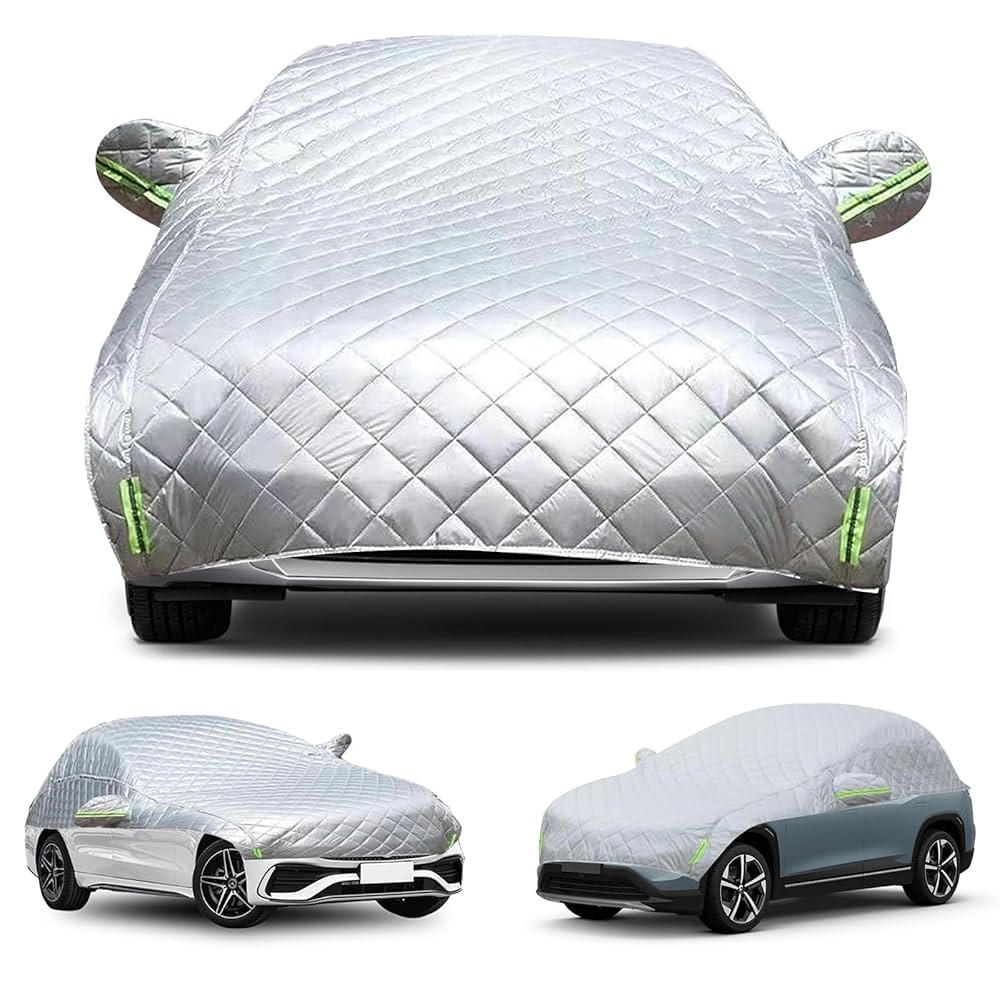
Heavy-duty covers have thick padding to absorb hail impact. They protect the car’s surface from dents and scratches during storms. These covers are made with strong materials and extra cushioning.
They are heavier and less portable than standard covers. Many hail protection covers use foam or air pockets for better safety.
- Thick padding for impact absorption
- Durable outer layer to resist tears
- Designed specifically for hail protection
- Heavier and more secure fit
Custom-fit Vs Universal Covers
Custom-fit covers are made to match your car’s exact shape. They fit snugly and offer better protection. Universal covers fit many car models but may be loose.
Custom-fit covers prevent wind from lifting the cover. Universal covers are easier to buy but may not cover all parts well.
- Custom-fit covers offer precise protection
- Universal covers are more flexible and affordable
- Custom-fit covers stay in place better
- Universal covers may allow hail under edges
Effectiveness Of Car Covers Against Hail
Car covers can protect your vehicle from hail damage. Their effectiveness depends on the cover’s design and materials.
Understanding how car covers work helps you choose the right one for hail protection.
Material Impact Resistance
Car covers use strong materials to resist hail impacts. Thick fabrics absorb the force of hailstones.
Some covers include multiple layers for added strength. Durable materials help prevent dents and scratches.
- Heavy-duty polyester or nylon fabric
- Multiple fabric layers for extra protection
- Water-resistant coatings to keep moisture out
Cushioning And Padding Features
Cushioning layers in car covers help absorb hail impact. Soft padding reduces the force transferred to the car.
Some covers have foam or air pockets to create a protective buffer. This lowers the chance of dents.
- Foam padding for shock absorption
- Air-filled pockets that act as cushions
- Soft inner lining to protect paint
Real-world Performance Examples
Many users report less damage with car covers during hailstorms. Covers help keep small dents and chips away.
Studies show covers reduce repair costs and protect paint. Some covers work better on smaller hail sizes.
- Protects against hailstones up to one inch in diameter
- Reduces dents in minor to moderate hail events
- Helps keep paint from chipping or cracking

Credit: www.amazon.com
Alternative Hail Protection Methods
Hail can cause serious damage to cars. Many people look for ways to protect their vehicles. Besides car covers, there are other methods to keep your car safe from hail.
This article explores some alternative hail protection options. Each option has its own benefits and drawbacks. Choose what fits your needs best.
Portable Garage Solutions
Portable garages are temporary shelters you can set up anywhere. They protect your car from hail and other weather elements. These garages come in various sizes and materials.
- Easy to assemble and move
- Made from durable fabrics and metal frames
- Provide full coverage from hail, rain, and sun
- Can be folded and stored when not in use
Inflatable Car Covers
Inflatable car covers use air cushions to absorb hail impact. They form a protective layer around your vehicle. These covers are lightweight and easy to install.
| Feature | Description |
| Material | Waterproof nylon with air chambers |
| Setup Time | About 5 to 10 minutes |
| Protection Level | Good for small to medium hail |
| Portability | Compact and easy to store |
Using Blankets And Diy Options
Some people use thick blankets or quilts to cover their cars. Adding foam or other padding helps absorb hail hits. This method is low-cost but needs careful setup.
- Use thick blankets or comforters
- Add foam sheets or bubble wrap for padding
- Secure with ropes or bungee cords to avoid slipping
- Check for gaps to ensure full coverage
Choosing The Right Cover For Your Car
Car covers can protect your vehicle from hail damage. Picking the right cover helps keep your car safe. It is important to consider several factors before buying a cover.
This guide will help you choose a cover that fits your needs and budget. You will learn what to look for based on your local weather and cover features.
Assessing Your Local Weather Risks
Check how often hail happens in your area. Some places have frequent hail storms while others rarely do. Knowing this helps decide how strong your cover should be.
Also, consider other weather risks like heavy rain or sun. A cover that protects against multiple weather types may be better for your region.
- Look at local weather reports and history
- Note how often and how large hailstones get
- Think about other weather conditions in your area
Budget Considerations
Car covers come in many prices. Set a budget before shopping. A more expensive cover may last longer and offer better protection.
Look for covers that fit your budget but still protect well. Sometimes mid-range covers provide good value without costing too much.
- Decide how much you want to spend
- Compare prices and features of different covers
- Check user reviews for quality and durability
Maintenance And Durability
Choose a cover that is easy to clean and store. Some covers need special care, while others can be washed easily. This affects how long the cover lasts.
Durable materials protect better from hail and wear. Look for covers made with strong fabrics and good stitching. This helps the cover stay intact after bad weather.
- Check if the cover is machine washable or hand wash only
- Look for water-resistant and tear-resistant materials
- Consider how easy it is to fold and store the cover
Tips For Using Car Covers Effectively
Car covers can protect your vehicle from hail damage. Using them the right way helps keep your car safe. This guide shares tips to use car covers well.
Following simple steps ensures your cover works best. Protect your car by installing, storing, and handling covers carefully.
Proper Installation Techniques
Put the cover on your car smoothly. Make sure it fits tightly without wrinkles. A loose cover can blow away or fail to protect.
Start by covering the front, then pull it over the roof and back. Secure the cover under the wheels or use straps if available.
- Choose a cover that fits your car size
- Place the cover on dry and clean car
- Smooth out any folds or wrinkles
- Secure the cover with straps or ties
- Check that the cover does not touch sharp edges
Storage And Care
Keep your car cover clean and dry when not in use. Dirt or moisture can damage the material. Store it in a cool, dry place.
Wash the cover gently by hand or with a mild detergent. Avoid harsh chemicals or machine drying. Dry it completely before folding.
- Fold the cover neatly after drying
- Store in a cloth bag or container
- Keep away from direct sunlight and heat
- Clean regularly to remove dust and dirt
- Inspect for tears before use
Avoiding Common Mistakes
Do not use a cover that is too small or too large. Wrong size covers leave parts exposed or cause flapping. This reduces protection from hail.
Avoid covering a wet or dirty car. This can trap moisture and cause scratches. Also, do not leave the cover on during strong winds without securing it.
- Never use a dirty or damaged cover
- Do not leave the cover loose or flapping
- Avoid covering wet vehicles
- Secure the cover well before bad weather
- Check the cover often for wear and tear
Frequently Asked Questions
Do Car Covers Protect Against Hail Damage?
Yes, car covers can reduce minor hail damage by absorbing impact. However, heavy hail may still cause dents or cracks despite the cover.
What Type Of Car Cover Is Best For Hail?
Thick, padded car covers specifically designed for hail provide the best protection. They cushion impacts better than thin or standard covers.
Can A Car Cover Prevent Windshield Cracks From Hail?
A high-quality padded cover can help prevent windshield cracks by cushioning hailstones. Still, severe hailstorms may cause damage despite protection.
Are Car Covers Effective During Severe Hailstorms?
Car covers offer limited protection in severe hailstorms. For heavy hail, covered parking or garages provide more reliable vehicle safety.
Conclusion
Car covers offer a good layer of protection against hail damage. They help reduce dents and scratches on your car’s surface. Using a thick, padded cover works best for hailstorms. Covers also keep dirt and debris off your vehicle. Keep in mind, no cover can guarantee full protection.
Still, a car cover is a smart, simple way to protect your car. It saves money on repairs and keeps your car looking nice. A small effort can make a big difference during hail season.