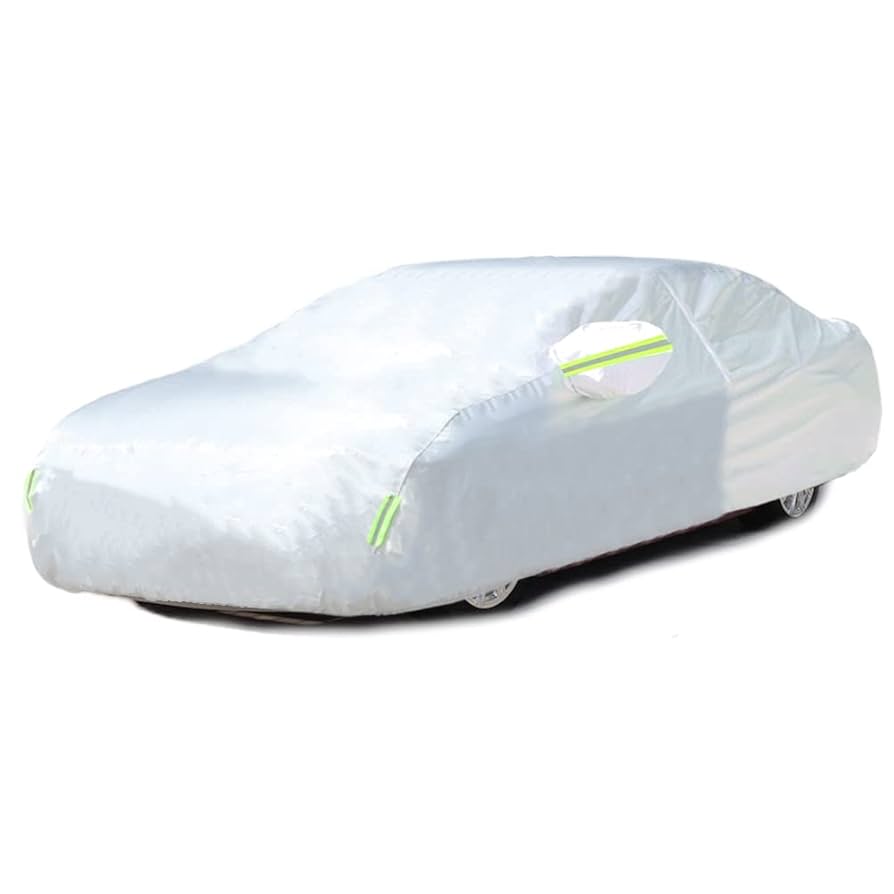
Have you ever stepped into your car after it’s been baking under the sun and felt like you were entering an oven? The heat can make your drive uncomfortable and even damage your vehicle over time.
You might wonder, can a simple car cover really protect your car from the sun’s harsh rays? If you’ve been thinking about whether a car cover is worth it, this article will give you clear answers. Keep reading to discover how car covers work, what benefits they offer, and if they are the right choice to keep your car cool and safe under the sun.

Credit: www.reddit.com
Sun Damage To Cars
Cars left under the sun face many risks. The sun’s rays can harm different parts of a vehicle.
Using a car cover can help protect your vehicle from these sun-related problems.
Effects On Paint
Sunlight causes car paint to fade and lose shine. UV rays break down the paint’s surface. Over time, this can lead to peeling and cracking.
- Fading colors reduce your car’s look.
- Paint can peel or crack with strong sun exposure.
- Damaged paint may lead to rust spots.
Interior Fading And Cracking
The sun also harms the car’s interior. Seats and panels can fade and crack from heat and light. This damage lowers the car’s comfort and value.
| Material | Sun Damage Effect |
| Leather | Dries out and cracks |
| Fabric | Colors fade and weaken |
| Plastic | Becomes brittle and breaks |
Dashboard And Upholstery Risks
Dashboards and upholstery face heat damage. The sun can cause warping and discoloration. This damage is often costly to fix.
- Dashboard may crack or warp from heat.
- Upholstery colors fade and weaken.
- Sun damage can cause plastic parts to become brittle.
How Car Covers Work
Car covers protect vehicles from the sun’s harmful rays. They shield the paint and interior from damage.
Different materials and designs affect how well a cover blocks UV rays and heat. Fit and breathability also matter.
Material Types And Uv Protection
Car covers come in many materials. Some block UV rays better than others. Common materials include polyester, polypropylene, and cotton blends.
- Polyester offers strong UV resistance and durability.
- Polypropylene is lightweight and blocks sunlight well.
- Cotton blends allow breathability but less UV blocking.
- Reflective coatings enhance sun protection in some covers.
Breathability And Heat Reflection
Breathable covers let moisture escape to avoid mold and mildew. Heat-reflective covers bounce sunlight away to keep cars cooler.
| Feature | Benefit |
| Breathability | Prevents moisture build-up under cover |
| Heat Reflection | Reduces car surface temperature |
| UV Protection | Blocks sun damage to paint and interior |
Fit And Coverage Importance
A well-fitting cover protects better by fully covering the car. Loose covers can let sun and dust in.
Key points for good fit and coverage:
- Cover all painted surfaces
- Snug fit to prevent wind damage
- Easy to put on and remove
- Secure attachment to avoid shifting
Choosing The Right Cover
Car covers protect your vehicle from sun damage and other risks. Picking the right cover depends on where and how you park your car.
Consider weather, cover type, and your budget before buying a cover. This helps you keep your car safe and lasts longer.
Weather Conditions Consideration
The sun’s heat can fade paint and crack dashboards. A good cover blocks UV rays and heat. If you live where it rains or snows, choose a waterproof cover.
- UV protection to stop sun damage
- Waterproof material for rain and snow
- Breathable fabric to avoid moisture buildup
- Wind-resistant to keep cover in place
Indoor Vs Outdoor Covers
Indoor covers are lighter and softer. They protect against dust and small scratches. Outdoor covers are tougher and resist weather better.
| Cover Type | Best For | Material | Protection Level |
| Indoor Cover | Garage parking | Soft fabric | Dust and light scratches |
| Outdoor Cover | Driveway or street parking | Waterproof and UV-resistant | Sun, rain, snow, and dirt |
Budget And Durability
Car covers come in many prices. Higher cost usually means longer lasting material and better protection.
Consider these points before buying:
- Set a budget that fits your needs.
- Look for covers with good stitching and strong fabric.
- Check reviews for durability and fit.
- Remember that a cheap cover may wear out fast.

Credit: www.amazon.ca
Benefits Beyond Sun Protection
Car covers do more than just block the sun’s rays. They provide many other benefits that help keep your car in great shape.
Using a car cover can protect your vehicle from dust, scratches, and even theft attempts. Let’s look at these advantages closely.
Protection From Dust And Debris
Car covers shield your vehicle from dust and small debris that float in the air. This keeps your car cleaner for longer periods.
Dust can settle on your car’s surface and may cause tiny scratches when wiped off. Covers stop this by acting as a barrier.
Scratch And Dent Prevention
Car covers help protect your vehicle from minor scratches and dents. They provide a soft layer that absorbs small impacts.
When parked in crowded places, covers reduce damage from passing people, shopping carts, or falling leaves and branches.
- Protects paint from light scratches
- Cushions against minor dents
- Stops marks from bird droppings and tree sap
Security And Theft Deterrence
Car covers add a layer of security by hiding your vehicle’s contents. Thieves are less likely to target covered cars.
The extra step of removing the cover takes time and draws attention, which can discourage quick theft attempts.
Common Mistakes To Avoid
Car covers protect your vehicle from sun damage. Many people make simple errors that reduce their cover’s effectiveness.
Knowing what to avoid helps you keep your car safe and the cover in good shape for years.
Using Wrong Material
Not all car covers block the sun well. Some materials let heat and UV rays through. This can cause paint to fade or crack.
- Choose covers made with UV-resistant fabric.
- Avoid plastic covers that trap heat and moisture.
- Look for breathable materials that stop sun damage.
Ignoring Proper Fit
A cover that is too loose or too tight will not protect well. Wind can blow a loose cover off. A tight cover may scratch the paint.
| Fit Issue | Problem | Effect |
|---|---|---|
| Too Loose | Moves with wind | May blow off or rub paint |
| Too Tight | Strains fabric | Can cause scratches or tears |
| Proper Fit | Snug but not tight | Stays in place and protects well |
Neglecting Regular Cleaning
Dirt and dust build up on covers. This can scratch paint under the cover. It also reduces the cover’s ability to protect from the sun.
Tips to keep your cover clean:
- Remove the cover gently before cleaning.
- Use mild soap and water for washing.
- Dry the cover fully before putting it back.
- Clean the cover every few weeks or after heavy dust.

Credit: www.amazon.ca
Maintenance Tips For Car Covers
Car covers protect your vehicle from sun damage and dirt. Proper care keeps the cover strong and effective. Follow simple tips to maintain your car cover well.
Cleaning, storing, and repairing your car cover help it last longer. These tasks prevent wear and tear and keep your car safe.
Cleaning Techniques
Clean your car cover regularly to remove dust, dirt, and stains. Use mild soap and cold water for washing. Avoid harsh chemicals that can damage the fabric.
- Shake off loose dirt before washing.
- Hand wash or use a gentle machine cycle.
- Rinse thoroughly to remove soap.
- Air dry the cover away from direct sunlight.
Storage Best Practices
Store your car cover properly to keep it clean and dry. Folding it neatly prevents wrinkles and fabric damage. Use a storage bag if possible.
| Storage Tip | Reason |
| Clean before storing | Prevents mold and stains |
| Fold carefully | Avoids creases and tears |
| Keep in a dry place | Stops mildew growth |
| Use storage bag | Protects from dust and pests |
Repairing Minor Damages
Fix small tears or holes quickly to stop them from growing. Use repair tape or patches made for fabric covers. Check your cover often for damage.
- Clean the damaged area before repair.
- Apply fabric repair tape or patch firmly.
- Let the repair dry completely before use.
- Replace the cover if damage is large.
Frequently Asked Questions
Do Car Covers Protect Paint From Sun Damage?
Yes, car covers shield your vehicle’s paint from harmful UV rays. They prevent fading, oxidation, and clear coat damage caused by prolonged sun exposure.
Can Car Covers Reduce Interior Heat Buildup?
Car covers help lower interior temperatures by reflecting sunlight. This reduces heat buildup inside, protecting dashboards, seats, and electronics from sun damage.
Are All Car Covers Effective Against Sun Rays?
Not all covers provide equal sun protection. Look for UV-resistant, breathable materials designed specifically to block harmful solar rays and prevent moisture buildup.
How Often Should I Use A Car Cover In The Sun?
Use a car cover daily if your vehicle stays outdoors. Regular use ensures consistent protection from UV damage, dust, and environmental contaminants.
Conclusion
Car covers do protect your car from the sun’s heat and rays. They help keep the paint from fading and the interior cooler. Using a cover is a simple way to avoid sun damage. It also saves money on repairs and cleaning.
Choose a cover that fits well and suits your climate. Regular use adds extra protection. Protect your car today and enjoy a longer-lasting finish.