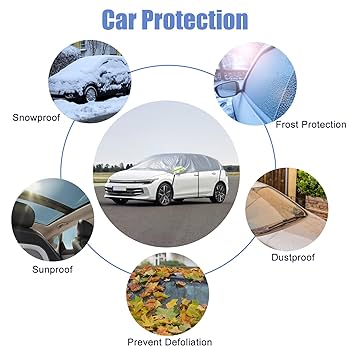
Have you ever woken up to find your car windows covered in frost, making your morning routine longer and more frustrating? You might wonder if using a car cover can actually stop frost from forming.
Imagine saving yourself time and hassle every cold morning by protecting your car the right way. You’ll discover how car covers work against frost, what types really help, and simple tips to keep your vehicle frost-free. Keep reading to find out if a car cover could be your best winter companion.
Credit: www.autofurnish.com
How Frost Forms On Cars
Frost forms on cars when the surface temperature drops below freezing. Moisture in the air changes into ice crystals on the car’s surface.
This process happens during cold nights or early mornings. The car’s surface cools faster than the surrounding air, causing frost to appear.
Conditions Leading To Frost
Frost forms under clear skies and calm winds. These conditions allow the car’s surface to lose heat quickly.
High humidity increases the chance of frost. Moist air freezes on cold surfaces, creating a layer of ice crystals.
- Clear skies let heat escape from the car.
- Calm winds prevent mixing of warmer air.
- High humidity supplies moisture for frost.
- Cold temperatures below 32°F (0°C) trigger freezing.
Impact On Vehicle Surfaces
Frost can cause small scratches on the car’s paint. Removing frost with rough tools may damage the surface.
Frost also makes windshields hard to see through. It can slow down your morning routine and affect safety.

Credit: us.amazon.com
Effectiveness Of Car Covers Against Frost
Car covers can protect vehicles from frost in cold weather. They act as a barrier between the car’s surface and the cold air. This helps keep frost from forming directly on the glass and paint.
Not all car covers are equally good at stopping frost. Their design and material affect how well they work. Understanding these factors helps in choosing the right cover.
Types Of Car Covers
Car covers come in different types based on their use and protection level. Some cover only the top of the car while others wrap the whole vehicle. Some are waterproof; others protect only against dust and frost.
- Full car covers: Protect the entire vehicle from frost and dirt.
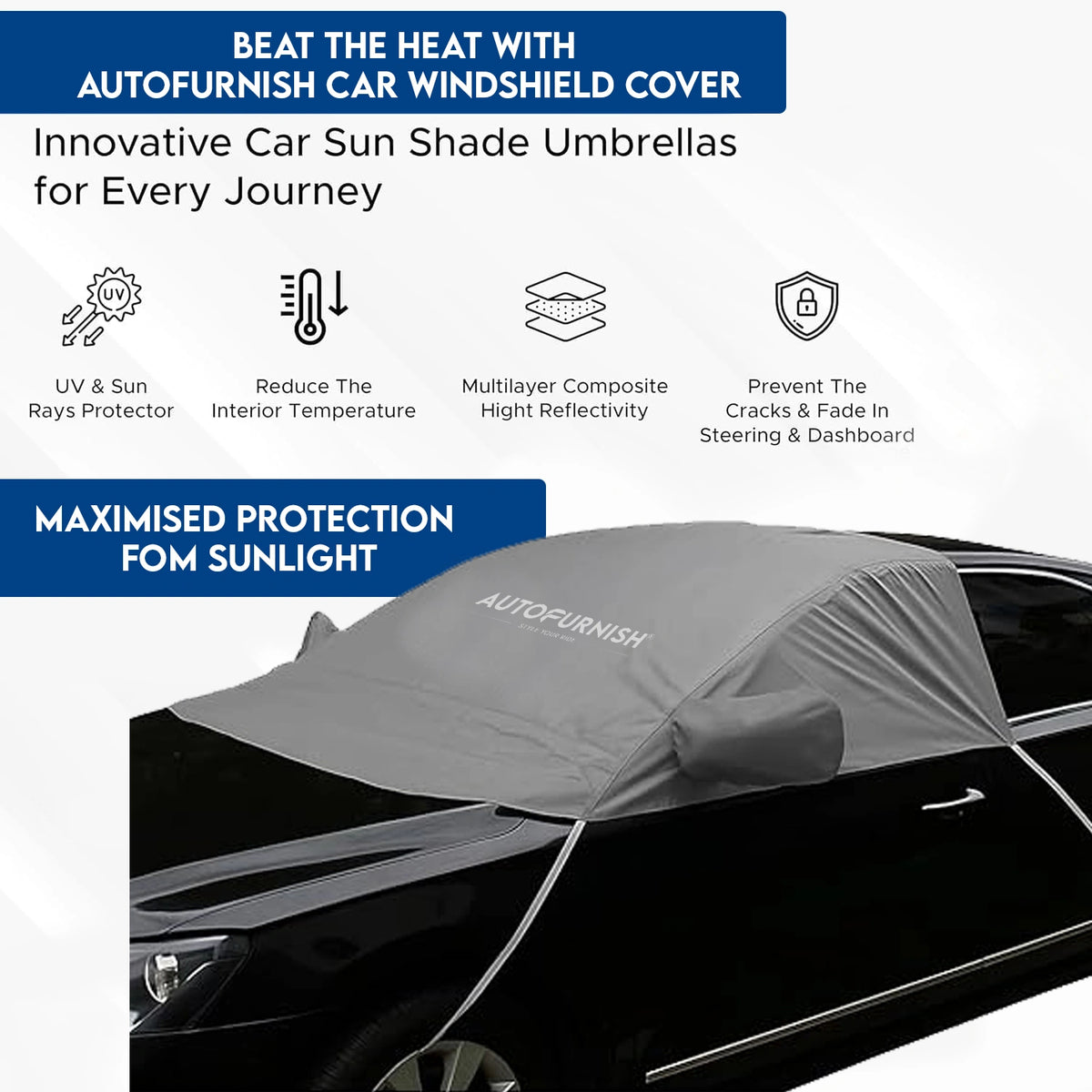
- Windshield covers: Designed to cover only the windshield and prevent ice buildup.
- Indoor covers: Lightweight covers mainly used in garages, less effective against frost.
- Custom-fit covers: Made to fit the car’s shape, providing better frost protection.
Material Influence On Frost Prevention
The material of a car cover plays a big role in stopping frost. Some materials keep heat better and block moisture. Others let cold air pass through, which reduces their frost protection.
| Material | Frost Protection | Breathability | Durability |
| Polyester with foam lining | High | Medium | High |
| Fleece-backed covers | Medium | High | Medium |
| Plastic or vinyl covers | Low | Low | Low |
| Non-woven fabrics | Medium | Medium | High |
Choosing The Right Car Cover
Car covers help protect your vehicle from frost and cold weather. Picking the right cover keeps your car safe and dry.
Not all car covers stop frost equally. It is important to know what features to look for before buying one.
Weather-resistant Features
A good car cover must block frost and moisture well. Look for covers with weather-resistant materials like polyester or polypropylene.
Some covers have a special coating that repels water and ice. This helps prevent frost buildup on your car’s surface.
- Waterproof or water-resistant fabric
- Breathable materials to avoid moisture buildup
- UV protection to prevent sun damage
- Windproof design to keep cover in place
Size And Fit Considerations
Choose a car cover that fits your vehicle well. A tight fit keeps frost and moisture from getting underneath the cover.
Measure your car’s length, width, and height. Use these numbers to find a cover made for your car size or model.
- Too small covers can scratch the car
- Too large covers allow frost to form inside
- Elastic hems or straps help secure the cover
- Check for mirror pockets or antenna holes
Credit: www.alder.in
Additional Frost Protection Tips
Car covers help reduce frost on your vehicle. Using extra tips can protect your car even more.
These simple steps keep frost away and save you time scraping ice.
Using Windshield Covers
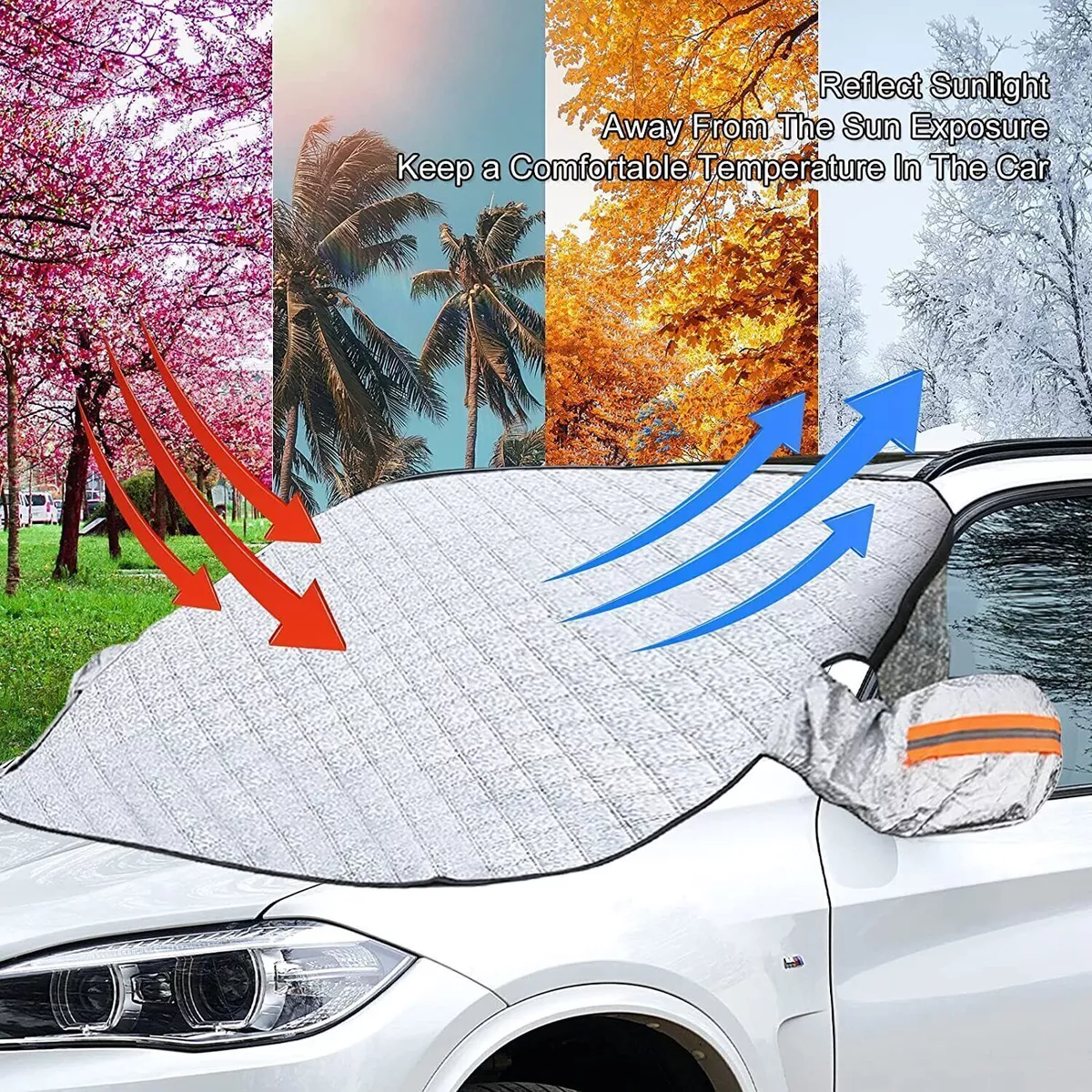
Windshield covers stop frost from forming on your glass. They act as a barrier between cold air and your windshield.
Use covers made of weather-resistant material for best results. Secure the cover well to avoid wind blowing it away.
- Place the cover on your windshield before nightfall
- Remove the cover in the morning to reveal a frost-free windshield
- Choose covers with straps or magnets for better hold
Parking Strategies
Where you park matters for frost prevention. Park in places shielded from cold winds and open sky.
Garages and covered areas reduce frost build-up. If no shelter is available, park facing east to catch morning sun.
- Avoid parking under trees that collect moisture
- Park close to walls to block cold wind
- Use covered parking if possible
Applying Protective Sprays
Special sprays prevent frost on your windshield and windows. They create a thin layer that stops ice from sticking.
Spray the product on clean glass before frost forms. Reapply as directed for continuous protection.
- Use sprays designed for automotive glass
- Apply in dry, calm weather for best effect
- Wipe off excess spray to avoid streaks
Maintenance And Care For Car Covers
Car covers help stop frost from forming on your vehicle. To keep them working well, you need to take care of them. Proper maintenance makes covers last longer and protect better.
Regular cleaning and good storage keep your car cover in top shape. Dirt and moisture can damage the fabric if not handled right.
Cleaning Tips
Clean your car cover often to remove dirt and dust. Use mild soap and water. Avoid harsh chemicals that can break the fabric.
Let the cover dry fully before folding or storing it. Wet covers can grow mold and smell bad.
- Use a soft brush or cloth for cleaning
- Rinse well to remove all soap
- Do not use bleach or strong detergents
- Dry in a shaded area, not direct sun
Storage Recommendations
Store your car cover in a dry, cool place. Avoid folding it when still wet or dirty. Dirt and moisture cause damage over time.
Use a storage bag or container to keep dust away. Keep the cover away from sharp objects to prevent tears.
- Fold the cover neatly after it is clean and dry
- Keep in a breathable storage bag
- Store away from heat sources
- Check the cover for damage before storing
Frequently Asked Questions
Do Car Covers Prevent Frost Buildup On Windshields?
Yes, car covers create a barrier that reduces frost on windshields. They block moisture and cold air, keeping your glass clearer in cold weather.
What Type Of Car Cover Is Best For Frost Protection?
Waterproof and insulated car covers work best against frost. These covers prevent moisture penetration and provide extra warmth to minimize ice formation.
Can Car Covers Damage My Vehicle In Winter?
No, quality car covers protect paint and glass from frost damage. However, ensure the cover fits well to avoid scratches from wind movement.
How Often Should I Use A Car Cover In Frost Conditions?
Use a car cover every night during frost-prone seasons. This consistent protection helps prevent ice buildup and keeps your vehicle ready to drive.
Conclusion
Car covers can protect against frost. They block cold air and frost. Your car stays frost-free overnight. A simple and effective solution. No more scraping icy windshields. Protect your car paint too. Car covers are easy to use. Just cover your car before frost hits.
Affordable and available in many stores. Choose the right size for best results. Invest in a quality cover for long-lasting protection. Keep your car safe and frost-free this winter.