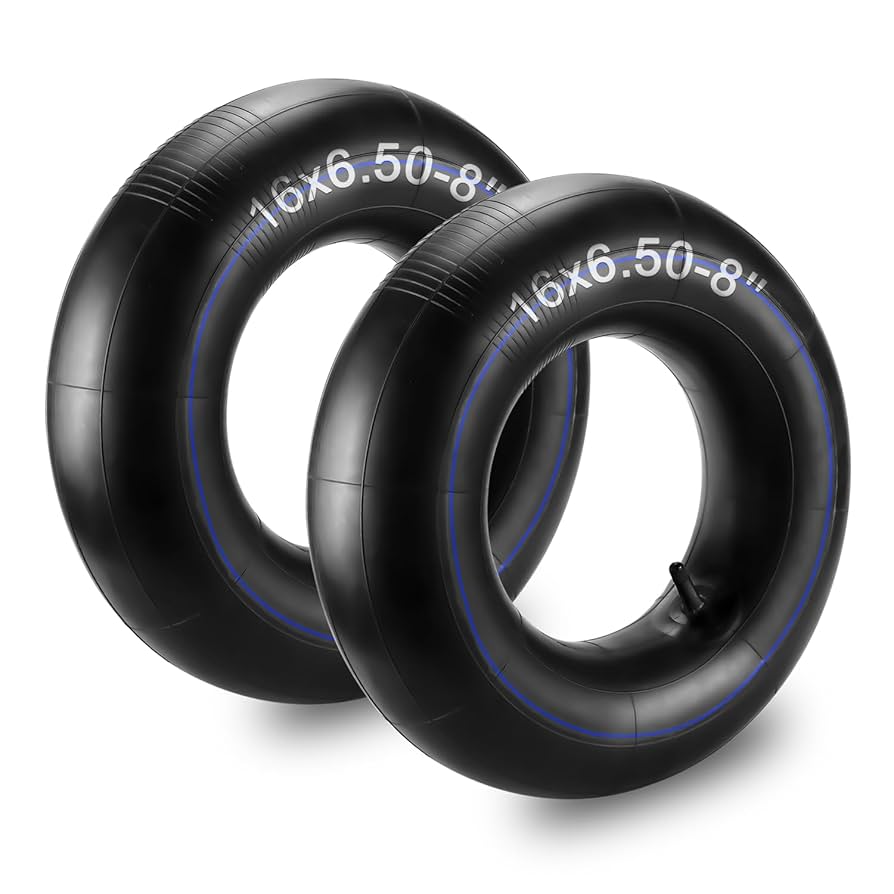
Have you ever wondered if your car tires have an inner tube? It’s a simple question, but the answer can surprise you.
Understanding what’s inside your tires can help you take better care of your car and avoid unexpected problems on the road. If you want to know how your tires really work and whether inner tubes are still part of the picture, keep reading.
This knowledge could save you time, money, and stress down the line.
Car Tire Basics
Car tires are an important part of any vehicle. They help the car move and keep it safe on the road.
Many people wonder if car tires have inner tubes. Learning about tire types and parts can answer this question.
Types Of Car Tires
There are two main types of car tires: tube tires and tubeless tires. Tube tires have an inner tube inside.
- Tube Tires:These tires have an inner tube that holds the air. The tube fits inside the tire.
- Tubeless Tires:These tires do not have an inner tube. The tire itself holds the air tightly.
Most modern cars use tubeless tires. They are safer and easier to fix than tube tires.
Tire Components
| Component | Description |
| Tread | The outer part that touches the road. It provides grip and traction. |
| Sidewall | The part between the tread and the wheel rim. It protects the tire and shows tire details. |
| Bead | The edge of the tire that fits tightly on the wheel rim. |
| Inner Liner | A layer inside tubeless tires that holds the air without an inner tube. |
| Inner Tube | A rubber tube inside tube tires that holds the air. |

Credit: www.ebay.com
Inner Tubes Explained
Inner tubes are an important part of some tires. They hold air inside the tire to keep it firm and functional.
This article explains what inner tubes do and where you can find them used.
Purpose Of Inner Tubes
Inner tubes serve as a container for air inside a tire. They help tires keep their shape and pressure.
- Hold air pressure for better tire performance
- Provide a cushion between the tire and the wheel rim
- Make tire repairs easier by replacing the tube
- Protect the tire from damage caused by sharp objects
Where Inner Tubes Are Used
Inner tubes are common in many types of tires but not all. They are mostly found in tires with certain designs.
| Vehicle Type | Inner Tube Use |
| Bicycles | Almost always used |
| Motorcycles | Often used on older or off-road models |
| Car Tires | Rarely used; most cars use tubeless tires |
| Tractors and Heavy Equipment | Commonly used for better durability |
Tubeless Tires In Cars
Car tires usually do not have inner tubes. Most modern cars use tubeless tires. These tires have a special design that holds air without needing a separate tube.
Tubeless tires are popular because they offer better safety and performance. They work differently from tires with inner tubes.
How Tubeless Tires Work
Tubeless tires rely on a tight seal between the tire and the wheel rim. This seal keeps air inside the tire. The tire itself is made from tough rubber that stops air from escaping.
- The tire fits tightly on the metal rim of the wheel.
- The rim has a smooth surface to help seal the tire.
- Air is pumped directly inside the tire without an inner tube.
- If the tire is punctured, air escapes slowly because of the seal.
Advantages Of Tubeless Tires
| Benefit | Description |
| Better Safety | Slow air loss reduces sudden flats. |
| Lower Weight | No inner tube means lighter tires. |
| Improved Fuel Efficiency | Lighter tires help save fuel. |
| Easy Repairs | Small punctures can be fixed quickly. |
| Better Heat Dissipation | Less heat builds up in the tire during driving. |

Credit: www.amazon.com
When Inner Tubes Are Still Used
Most modern car tires do not have inner tubes. They use tubeless tires that hold air inside the tire itself. Still, there are some cases where inner tubes are needed.
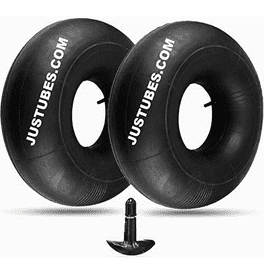
Inner tubes are simple rubber tubes placed inside the tire. They keep air pressure and help prevent leaks in some tire types.
Classic And Vintage Cars
Many classic and vintage cars use tires with inner tubes. These cars were made before tubeless tires became common. The tires designed for them need tubes to hold the air.
Using inner tubes keeps the original look and performance of these old cars. It also fits the wheel rims designed for tube tires.
Specialty Tires
Some specialty tires still require inner tubes. This includes off-road tires and tires for certain racing cars. Inner tubes help protect these tires from punctures and damage.
Inner tubes add an extra layer of safety in tough conditions. They allow the tire to keep air even if the outer tire is damaged.
Identifying If Your Tire Has An Inner Tube
Car tires come in two main types: those with inner tubes and those without. Knowing if your tire has an inner tube helps you maintain it properly.
This guide shows easy ways to check if your tire has an inner tube. You can look at your tire or check its specifications.
Visual Inspection Tips
Look at the tire and wheel carefully to find signs of an inner tube. Some tires have visible parts that show a tube inside.
Check the valve stem on the tire. A tube tire often has a valve stem that is separate from the rim.
- Inner tube valve stems are usually rubber and stick out from the rim.
- Tubeless tires have metal valve stems attached directly to the rim.
- If you see a bolt or strip holding the tire bead tightly, it might be tubeless.
- Look for any patches or repairs on the inside of the tire; they can signal a tube repair.
Consulting Tire Specifications
Tire labels and manuals often say if the tire needs an inner tube. Check the sidewall for marking codes and notes.
Look for words like “Tubeless” or “Tube Type” printed on the tire. This tells you if the tire uses an inner tube or not.
- “Tubeless” means no inner tube is needed.
- “Tube Type” or “TT” means the tire requires an inner tube.
- Check your car or tire manual for recommended tire types.
- Contact the tire maker if the markings are unclear.
Maintaining Tubeless Tires
Tubeless tires do not have an inner tube. They rely on a tight seal between the tire and the rim.
Proper care helps these tires last longer and perform better on the road.
Common Repairs
Small holes in tubeless tires often can be fixed without removing the tire.
- Use a tire plug kit to fill small punctures.
- Check the sealant inside the tire and refill it if needed.
- Replace the valve stem if it leaks air.
- Inspect the rim for damage that may cause air leaks.
Preventive Care
| Care Tip | Why It Matters |
| Keep proper tire pressure | Prevents uneven wear and blowouts |
| Check for damage regularly | Find punctures or cracks early |
| Refill sealant every 3-6 months | Maintains airtight seal inside tire |
| Clean rims before mounting tires | Ensures strong seal and less air loss |
Credit: www.walmart.com
Frequently Asked Questions
Do Modern Car Tires Have Inner Tubes?
Most modern car tires do not have inner tubes. They use tubeless technology with airtight rims. This design improves safety, reduces weight, and enhances performance compared to traditional tires with inner tubes.
Why Did Car Tires Stop Using Inner Tubes?
Car tires stopped using inner tubes to enhance safety and convenience. Tubeless tires prevent sudden air loss during punctures. They also offer better fuel efficiency and easier repairs, making them the preferred choice for most vehicles today.
Can You Use Inner Tubes In All Car Tires?
Inner tubes are generally not compatible with all car tires. Tubeless tires are designed to work without tubes. Using inner tubes in tubeless tires can cause damage and reduce performance. Always check your tire type before considering inner tubes.
How Do Tubeless Tires Maintain Air Pressure?
Tubeless tires maintain air pressure through a tight seal between the tire and rim. The tire bead fits securely to the rim, preventing air leaks. This design eliminates the need for an inner tube and ensures consistent inflation.
Conclusion
Car tires usually do not have inner tubes today. Most use tubeless designs for better safety and performance. Tubeless tires hold air directly inside the tire and rim. This reduces the chance of sudden air loss. Some older or specialty tires still use inner tubes.
Knowing the difference helps when changing or fixing tires. Always check your tire type before buying replacements. Proper tire care keeps your car safe on the road. Understanding tire basics makes driving easier and safer.