Have you ever wondered if your car tires have tubes inside them? It’s a question many drivers don’t think about until they face a flat or need a tire change.
Knowing whether your tires contain tubes can save you time, money, and stress when dealing with tire issues. You’ll discover the truth about car tires and tubes, and learn how this simple knowledge can help you take better care of your vehicle.
Keep reading—you might be surprised by what you find out!

Credit: newatlas.com
Evolution Of Tire Design
Car tires have changed a lot since they were first made. The design of tires affects how safe and smooth a ride is. Understanding tire design helps us see if car tires have tubes inside.
Tire technology improved with new materials and ideas. These changes made tires stronger and easier to use.
Historical Use Of Inner Tubes
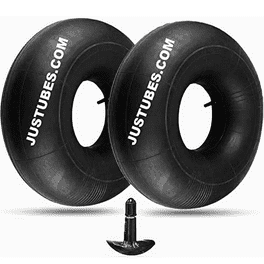
At first, car tires had inner tubes inside them. The tube held the air and kept the tire firm. The tire itself was just a cover around the tube.
Inner tubes were made from rubber and could be fixed if they got a hole. This design was common for many years on cars and bicycles.
- Inner tubes hold the air inside the tire
- Tires were simple rubber covers over the tube
- Fixing a flat meant patching or replacing the tube
Shift To Tubeless Technology
Tubeless tires came later and became more popular. These tires do not have inner tubes. The tire and rim create a seal to hold the air.
Tubeless tires are safer and easier to maintain. They reduce the chance of sudden air loss and often last longer than tube tires.
- No inner tube needed inside the tire
- Air is sealed between tire and rim
- Safer because slow leaks happen more often than sudden flats
- Common in most modern cars

Credit: www.amazon.com
How Tubeless Tires Work
Tubeless tires do not have an inner tube inside. Air stays between the tire and the rim.
This design helps prevent sudden air loss and improves performance on the road.
Components Of A Tubeless Tire
Tubeless tires have parts that keep air sealed without a tube. These parts include the tire itself, the rim, and the sealing material.
- Tire Bead:The edge of the tire that fits tightly on the rim.
- Rim:The metal wheel part that holds the tire.
- Sealant:A liquid or solid that fills small gaps to stop air leaks.
- Tire Casing:The body of the tire that holds the air pressure.
Sealing Mechanism Explained
The tire bead presses tightly against the rim to create a strong seal. This seal stops air from escaping.
| Part | Function |
| Tire Bead | Fits tightly on the rim to keep air inside. |
| Rim | Supports the tire and helps form the seal. |
| Sealant | Fills small holes or cuts to prevent leaks. |
Sealant flows inside the tire and blocks small punctures. This helps keep the tire inflated longer.
Advantages Of Tubeless Tires
Tubeless tires do not have an inner tube. They seal directly to the rim of the wheel. This design offers many benefits over tires with tubes.
Below are some advantages that show why tubeless tires are preferred by many drivers.
Improved Safety Features
Tubeless tires reduce the risk of sudden air loss. If a puncture happens, the tire deflates slowly. This gives the driver more control to stop safely.
- Less chance of blowouts
- Better air retention
- Self-sealing ability with sealant
Enhanced Fuel Efficiency
Tubeless tires are lighter because they lack inner tubes. This reduces the overall weight of the vehicle. A lighter vehicle uses less fuel.
| Type of Tire | Weight | Fuel Efficiency |
| Tubeless Tire | Light | Higher |
| Tubed Tire | Heavier | Lower |
Better Handling And Comfort
Tubeless tires provide better road contact. This improves grip and handling. They also absorb bumps better, making rides smoother.
- Improved traction on wet roads
- Reduced vibration and noise
- More stable at high speeds
Challenges With Tubeless Tires
Car tires today mostly do not have inner tubes. Tubeless tires are common, but they come with some challenges. These issues affect how you install and maintain the tires.
Understanding these challenges helps car owners keep their tires safe and working well.
Installation And Maintenance
Installing tubeless tires can be tricky. The tire and rim must fit perfectly to hold air. If the fit is loose, it can cause problems.
Maintenance is also important. Regular checks for damage and air pressure keep the tire safe. Tubeless tires need careful handling to avoid damage.
- Make sure the rim is clean and smooth.
- Check the tire bead for any damage.
- Use proper tools to avoid harming the tire.
- Keep the tire pressure at the right level.
- Inspect the tire for punctures or cracks often.
Potential For Air Leaks
Air leaks are a common problem with tubeless tires. The seal between the tire and rim must be tight. Small gaps can let air escape slowly.
Leaks can happen from tiny holes or damage to the rim or tire. Dirt and debris can also stop the seal from working well.
- Check the valve stem for cracks or looseness.
- Clean the rim surface before fitting the tire.
- Use sealant inside the tire to help stop leaks.
- Look for slow air loss and fix it quickly.
- Avoid rough roads to reduce damage risk.
Comparison Of Tubed And Tubeless Tires
Car tires can have tubes or be tubeless. Tubed tires have an inner tube that holds air. Tubeless tires do not need this tube.
Both types have advantages and disadvantages. Knowing the differences helps you choose the right tire.
Performance Differences
Tubeless tires offer better performance on the road. They provide a smoother ride and better grip.
Tubed tires can lose air faster because the tube can get pinched or punctured. Tubeless tires often seal small holes automatically.
- Tubeless tires have less risk of sudden air loss.
- Tubed tires may cause more vibration on rough roads.
- Tubeless tires improve fuel efficiency due to lower rolling resistance.
Cost And Availability
Tubed tires are usually cheaper than tubeless tires. They are easy to find for older cars and models.
Tubeless tires cost more but last longer and need less maintenance. Many modern cars come with tubeless tires as standard.
- Tubed tires: lower upfront cost, more maintenance.
- Tubeless tires: higher cost, less frequent repairs.
- Tubeless tires are more common in new vehicles.

Credit: www.reddit.com
Current Trends In Tire Technology
Car tires have changed a lot over the years. Many people wonder if tires still have tubes inside them.
Today, most car tires do not use tubes. Tire technology has moved toward tubeless designs. This change improves safety and performance.
Innovations In Material And Design
Tire makers use new materials to make tires stronger and lighter. These materials help tires last longer and give better grip on the road.
Designs have also improved. Modern tires have special patterns that help with water drainage. This reduces the chance of slipping on wet roads.
- Use of silica and synthetic rubber for better wear
- Advanced tread patterns for improved traction
- Stronger sidewalls to resist damage
- Run-flat tires that work without air pressure
Sustainability And Environmental Impact
Tire makers focus more on making eco-friendly products. They use recycled materials to reduce waste and pollution.
Some tires are designed to lower rolling resistance. This helps cars use less fuel and cut down on emissions.
- Using recycled rubber and oils
- Designs that improve fuel efficiency
- Longer tire life to reduce waste
- Biodegradable materials in some cases
Frequently Asked Questions
Do Modern Car Tires Have Inner Tubes?
Most modern car tires are tubeless, meaning they don’t have inner tubes. Tubeless tires use the tire and rim to hold air pressure. This design reduces punctures and improves safety and performance compared to tube-type tires.
Why Did Car Tires Transition From Tubes To Tubeless?
Car tires switched to tubeless for better safety and durability. Tubeless tires seal directly to the rim, reducing air leaks. They also handle punctures better and improve fuel efficiency by lowering rolling resistance.
Can Tubeless Tires Be Repaired Like Tube Tires?
Yes, tubeless tires can be repaired using plug kits for small punctures. Larger damage may require professional patching or tire replacement. Repairing tubeless tires is often easier and quicker than fixing tube-type tires.
Are Tube-type Car Tires Still Available Today?
Tube-type car tires are rare but still available for some vintage or specialty vehicles. Most passenger cars and trucks use tubeless tires due to their advantages. Tube tires are mostly found on bicycles and some motorcycles.
Conclusion
Most car tires do not have tubes inside them. Modern tires use a special design called tubeless tires. These tires hold air directly inside without extra parts. Tubeless tires are safer and easier to fix. Some older or special tires still use tubes.
Knowing this helps you choose the right tire for your car. Tires affect your safety and driving comfort. Always check your tire type before buying or fixing. Simple knowledge keeps your car running well and safe on roads.