Have you ever wondered if your car actually comes with a spare tire? It’s something many drivers assume, but the truth might surprise you.
Imagine being stuck on the side of the road with a flat tire and no backup—how would you feel? Knowing whether your car includes a spare tire can save you stress, time, and money when you least expect it. Keep reading to discover the facts about spare tires, what options you have, and how to be fully prepared for any tire trouble ahead.
Credit: autoexpert.com.au
Spare Tires In New Cars
Many new cars come with spare tires, but not all of them include the same type. Car makers choose different spare tires based on space, cost, and weight.
Knowing about spare tires helps drivers prepare for flat tires. It also explains why some cars do not have spares at all.
Standard Spare Tire Types
There are three main types of spare tires found in new cars. Each type has its own use and features.
- Full-size spare: Same size as regular tires and ready for long use.
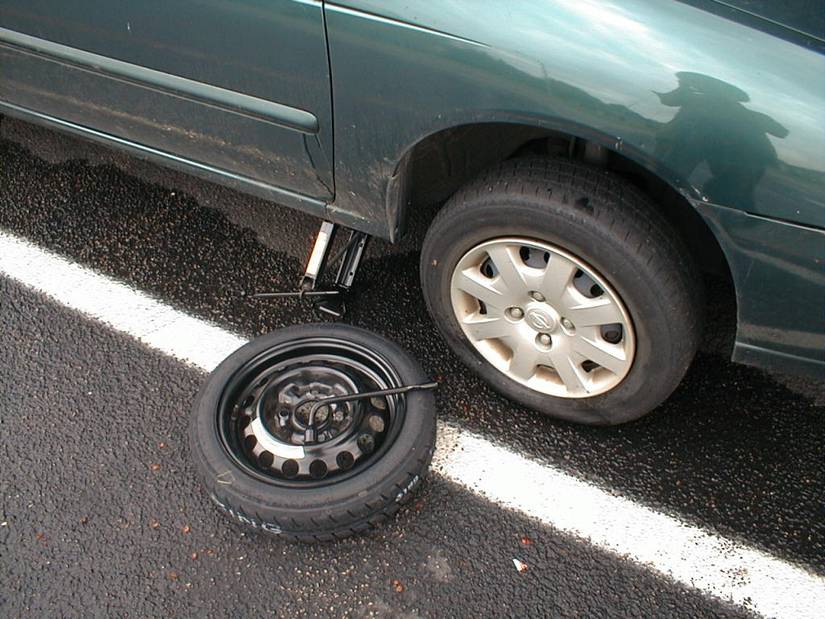
- Temporary (donut) spare: Smaller and lighter, used only for short distances.
- Run-flat tires: Not a spare, but can drive a short way after a puncture.
Temporary Vs Full-size Spares
Temporary spares save space and weight. They are smaller and meant for short trips to a repair shop.
Full-size spares are larger and heavier. They allow drivers to keep driving normally until they fix the flat tire.
- Temporary spares limit speed and distance.
- Full-size spares offer full driving capability.
- Temporary spares save room in the trunk.
- Full-size spares add weight and cost.
Why Some Cars Skip Spares
Some new cars do not include spare tires. This choice helps make cars lighter and improve fuel efficiency.
Car makers may provide tire repair kits or run-flat tires instead. These options save space and lower car cost.
- Saving space for extra trunk room.
- Reducing vehicle weight to increase fuel economy.
- Lowering production costs on some models.
- Relying on tire repair kits or run-flat tires.
Alternatives To Spare Tires
Many modern cars do not come with spare tires. Instead, they offer alternatives to help in case of a flat tire.
These alternatives are designed to save space and weight, offering different solutions for tire-related issues.
Tire Repair Kits
Tire repair kits are compact and easy to use. They often include sealant and an air compressor to fix minor punctures.
- Sealant fills the hole in the tire
- Air compressor reinflates the tire
- Quick and convenient for small punctures
Run-flat Tires
Run-flat tires allow you to drive for a limited distance after a puncture. They are built to support the vehicle even with low or no air pressure.
| Feature | Benefit |
| Self-supporting | Drive up to 50 miles |
| No immediate need for a spare | Saves trunk space |
| Built-in reinforcement | Increased safety |
Roadside Assistance Options
Many car manufacturers offer roadside assistance. This service can help with flat tires and other minor issues while on the road.
Factors Affecting Spare Tire Inclusion
Many drivers wonder if their cars come with spare tires. The answer depends on several important factors. Car makers decide based on these factors.
Spare tires are not always included in every vehicle. Some cars have space-savers or repair kits instead. Let’s look at what affects this choice.
Car Model And Manufacturer
Different car makers have different policies about spare tires. Some include full-size spares, while others provide smaller, temporary ones. Many modern cars skip spare tires to save weight.
The model type also matters. Luxury cars may include a spare tire or a better repair kit. Economy models often do not have spares to reduce costs.
Vehicle Size And Weight
Large and heavy vehicles usually come with full-size spare tires. They need strong tires to support their weight. Small cars and electric vehicles often use space-saver spares or no spares at all.
- Heavy trucks almost always have full-size spares.
- SUVs may have full or compact spares.
- Compact cars usually have small spares or tire repair kits.
- Electric cars often exclude spares to save weight.
Cost And Space Considerations
Spare tires add cost and take up space. Car makers balance these factors carefully. Removing the spare can lower the car price and free up trunk space.
| Factor | Effect on Spare Tire |
| Cost to Manufacturer | Higher cost means fewer spares included |
| Trunk Space | Less space can mean no spare tire |
| Weight | More weight lowers fuel efficiency |
| Customer Preference | Some prefer extra space over spares |
How To Check Your Car’s Spare Tire Status
Spare tires help you if your main tire gets a flat. Checking your spare tire keeps you safe on the road.
Learn how to find your spare tire, check its condition, and know when to replace it.
Locating The Spare Tire
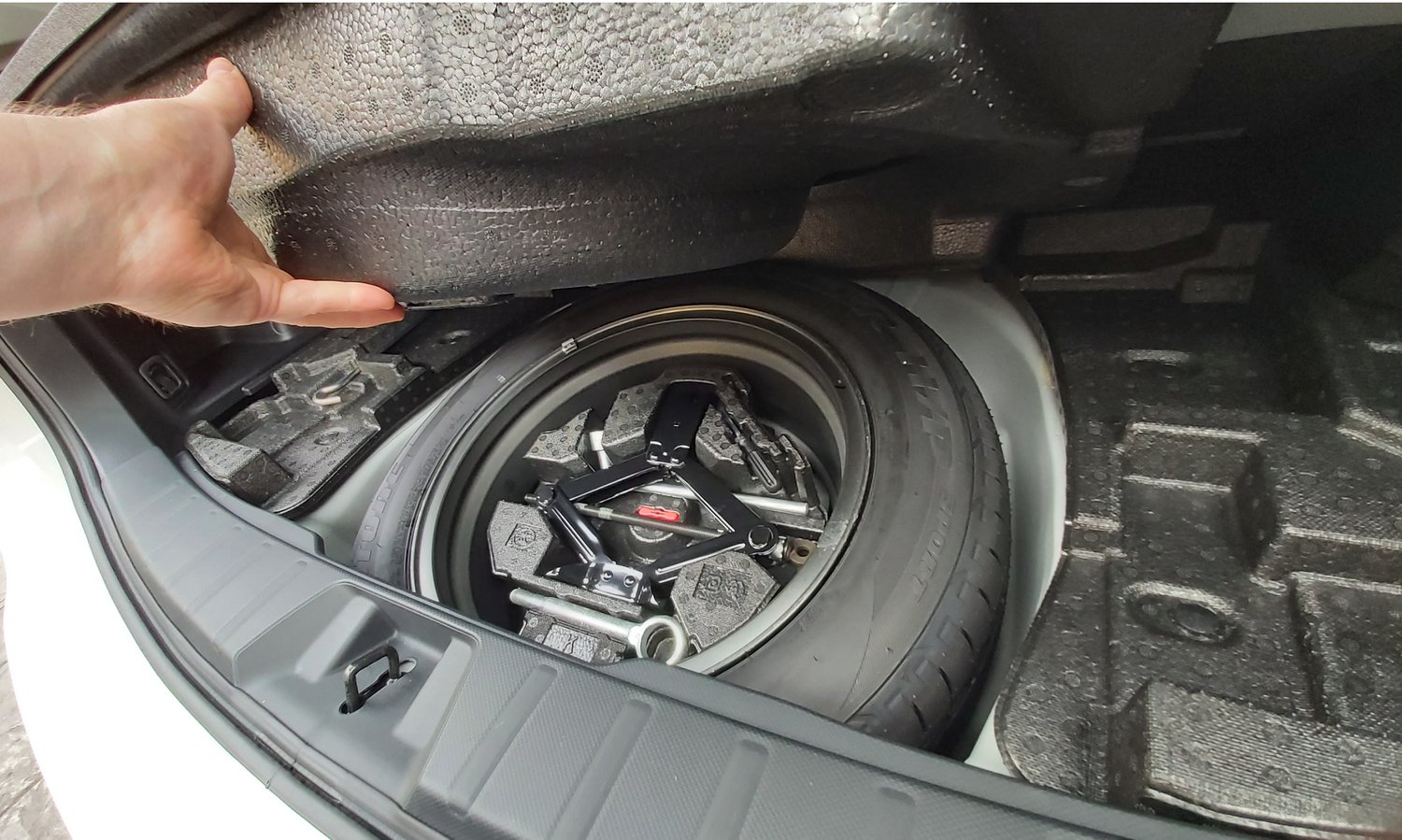
Most cars store the spare tire under the trunk floor or under the vehicle. Some SUVs keep it on the back door.
- Open the trunk and lift the floor panel.
- Look under the rear of the car for a mounted tire.
- Check the side or back of SUVs or trucks.
Inspecting Spare Tire Condition
Check the spare tire for air pressure, damage, and tread depth. A bad spare tire cannot help you in an emergency.
| Check | How to Inspect | Reason |
| Air Pressure | Use a tire gauge to measure PSI | Low pressure means unsafe tire |
| Tire Tread | Look for deep grooves and no cracks | Good tread gives better grip |
| Physical Damage | Look for cuts, bulges, or dry rot | Damage can cause tire failure |
When To Replace Or Upgrade
Replace your spare tire if it is old, damaged, or loses air frequently. Upgrade if your car needs a full-size spare.
- Replace tires older than six years.
- Swap damaged or cracked tires immediately.
- Choose a full-size spare if you drive long distances.
- Check your car manual for spare tire recommendations.
Tips For Managing Flat Tires Without A Spare
Many cars today do not come with spare tires. If you get a flat tire, it can cause stress and delay your plans. Knowing how to handle a flat without a spare helps you stay safe and calm.
This guide gives simple tips for managing flat tires. It covers safe use of tire sealants, when to call for help, and how to prepare for emergencies.
Using Tire Sealants Safely
Tire sealants can fix small punctures temporarily. Use them carefully to avoid damage to your tire or wheel.
- Read the sealant instructions before use.
- Use sealants only on tires with small punctures.
- Do not use sealants on sidewall damage.
- After applying, drive slowly to spread the sealant inside the tire.
- Get your tire checked by a professional soon after using sealant.
Calling For Professional Help
Sometimes, fixing a flat tire yourself is not safe or possible. Calling a professional can save time and keep you safe.
| Situation | Reason to Call Help |
| At night or on a busy road | Risk of accident or low visibility |
| Tire damage is large | Cannot fix with sealant or plug |
| No tools or sealant available | Need expert equipment |
| Feeling unsafe or unsure | Better to wait for help than risk injury |
Preparing For Emergencies
Planning ahead helps you handle flat tires without a spare. Keep essential items in your car at all times.
- Tire sealant and inflator kit
- Portable air compressor
- Flashlight with extra batteries
- Reflective warning triangles or flares
- Basic tire repair tools
- Phone charger and emergency contacts

Credit: www.reddit.com
Credit: www.hotcars.com
Frequently Asked Questions
Do All Cars Come With Spare Tires?
Not all cars come with spare tires. Many modern vehicles include tire repair kits or run-flat tires instead. This change saves space and weight, improving fuel efficiency. Always check your car’s specifications to know if a spare tire is included.
Why Are Some Cars Missing Spare Tires?
Some cars lack spare tires to reduce weight and increase fuel economy. Manufacturers use tire repair kits or run-flat tires as alternatives. This approach lowers production costs and saves trunk space for other uses.
What Type Of Spare Tire Do Cars Usually Have?
Cars typically have a full-size or compact “donut” spare tire. Compact spares are smaller and meant for temporary use only. Full-size spares match regular tires but add weight and take more space.
How Can I Replace A Flat Tire Without A Spare?
If your car lacks a spare, use a tire repair kit or call roadside assistance. Repair kits temporarily seal small punctures. For bigger issues, professional help is necessary to avoid damage or accidents.
Conclusion
Many cars still include spare tires, but some do not. This depends on the car’s make and model. Some use tire repair kits instead of spares. Knowing what your car has can save you trouble later. Always check your car’s trunk or manual for details.
Carrying a spare tire or kit helps in emergencies. Stay prepared to avoid being stuck on the road. Simple steps can keep you safe and confident while driving.