Have you ever wondered if your car is truly protected when you’re not around? You might think your vehicle has an emergency alarm, but do you really know how it works or if it’s enough to keep your car safe?
Understanding whether cars have emergency alarms—and how they function—can give you peace of mind and help you take the right steps to protect your investment. Keep reading, because what you learn here could make all the difference the next time your car faces a threat.
Car Alarm Basics
Car alarms help protect vehicles from theft or damage. They alert owners and people nearby if someone tries to break in.
These systems use sensors and sounds to warn about unwanted actions. Understanding how they work can help you decide if you need one.
How Car Alarms Work
Car alarms detect motion, glass breakage, or door openings. When triggered, they make loud noises to scare off thieves and alert others.
- Motion sensors detect movement inside or near the car.
- Shock sensors sense impacts or vibrations on the vehicle.
- Door sensors notice if doors, the hood, or trunk open without a key.
- Glass break sensors listen for the sound of breaking windows.
- The alarm sounds and lights flash to draw attention.
Types Of Car Alarms
Car alarms come in several types. Each uses different methods to protect vehicles.
| Type | How It Works | Features |
| Passive Alarm | Arms automatically when car is locked. | Simple and common in many cars. |
| Active Alarm | Needs manual activation to start protecting. | Often has remote controls. |
| GPS Alarm | Tracks car location and alerts if moved. | Can help find stolen cars. |
| Immobilizer | Prevents engine from starting without key. | Works silently to stop theft. |
Common Emergency Features
Many cars have emergency features to help drivers stay safe. These features alert others during a crisis.
Emergency features include buttons, alerts, and automatic notifications. They work to get help fast.
Panic Buttons And Remote Alerts
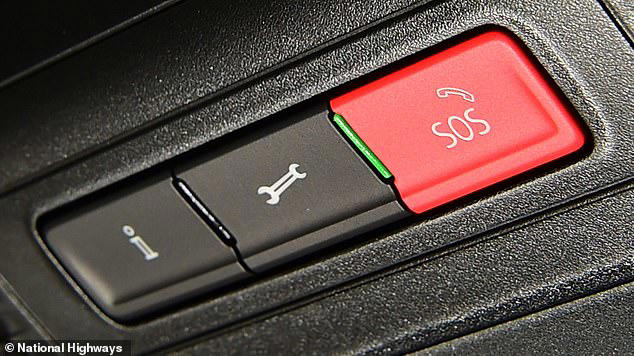
Panic buttons let drivers call for help quickly. They often trigger loud alarms to warn others nearby.
Remote alerts send signals to phones or emergency centers. They share the car’s location and status.
- Panic button activates a loud alarm
- Remote alerts notify emergency contacts
- Location tracking helps responders find the car
Automatic Crash Notifications
Automatic crash notifications send help when a collision happens. Sensors detect impact and call emergency services.
This feature works even if the driver cannot call for help. It can save lives by speeding up rescue.
- Crash sensors detect accidents
- System calls emergency responders automatically
- Provides crash location and severity data
Advanced Safety Technologies
Cars today have many safety features to protect drivers and passengers. These features help prevent theft and accidents. Emergency alarms are part of these safety systems.
Many cars include advanced technology to alert owners if something is wrong. These tools improve car security and help owners react quickly to emergencies.
Gps Tracking Systems
GPS tracking systems help find a car if it is stolen. The system uses satellites to send the car’s location to the owner or police. This makes it easier to recover the vehicle.
Some GPS systems also alert owners if the car moves without permission. This can stop theft before it happens. The system works quietly and does not need the thief’s cooperation.
- Tracks car location in real time
- Sends alerts if the car moves unexpectedly
- Works with police to recover stolen cars
- Operates quietly without alerting thieves
Smartphone Integration
Smartphone integration lets car owners control security features from their phones. They can check the car’s status anytime and receive alerts about alarms or movements.
This technology also allows owners to lock or unlock doors remotely. Some systems can start the car or sound the alarm using a smartphone app. This adds extra control and peace of mind.
- Check car status from a smartphone
- Receive alerts about alarms or movement
- Lock or unlock doors remotely
- Start the car or sound alarm through app

Credit: www.consumerreports.org
Benefits Of Emergency Alarms
Emergency alarms in cars help protect vehicles and passengers. They warn people if there is danger or theft. These alarms add safety and peace of mind for car owners.
Many cars come with built-in alarms that activate during emergencies. These alarms are easy to use and help in critical situations.
Theft Deterrence
Car alarms stop thieves by making loud noises. This draws attention and scares away intruders. Alarms make it harder for thieves to steal or break into cars.
- Loud sirens alert people nearby
- Flashing lights increase visibility
- Some alarms notify the car owner by phone
- Built-in immobilizers stop the engine from starting
Quick Emergency Response
| Feature | Benefit |
| Automatic Crash Detection | Alerts emergency services immediately |
| Remote Alarm Activation | Owner can trigger alarm from a distance |
| Built-in GPS Tracking | Helps locate the car quickly |
| Real-time Notifications | Keeps owner informed about the car’s status |
These features help save lives and reduce damage during accidents or theft. Quick alarms bring help faster to the scene.
Installation And Maintenance Tips
Car emergency alarms help protect your vehicle from theft or damage. Installing and maintaining the right alarm system ensures it works well. This guide shares simple tips to keep your alarm active and reliable.
Follow easy steps for choosing the correct alarm and keeping it tested regularly. Proper care extends the life of your alarm and keeps your car safe.
Choosing The Right Alarm System
Select an alarm system that fits your car model and your security needs. Look for features like loud sirens, motion sensors, and remote control options.
- Check compatibility with your vehicle
- Pick alarms with easy installation guides
- Choose systems with good customer reviews
- Consider alarms with backup power sources
- Look for user-friendly control options
Regular Testing And Updates
Test your car alarm often to make sure it works when needed. Update the system’s software or replace batteries on time. Keep your alarm in top shape with simple checks.
| Maintenance Task | Frequency | Reason |
| Test alarm sound and sensors | Monthly | Ensure alarm triggers properly |
| Replace batteries | Every 6 months | Keep alarm powered without failure |
| Update software or firmware | As updates release | Fix bugs and add new features |
| Inspect wiring and connections | Every 3 months | Prevent loose or damaged parts |

Credit: www.haasalert.com
Legal Requirements And Regulations
Many cars have emergency alarms to protect against theft. Laws about these alarms vary by place. Some rules require alarms in certain vehicles.
Understanding the legal rules helps car owners stay safe and follow the law. Alarms can also affect insurance costs and coverage.
Laws By Region
Different regions have different laws about car alarms. Some places require alarms on new cars. Others only suggest them as optional features.
In some areas, loud alarms must stop after a few minutes. This rule prevents noise pollution. Some regions have no specific rules about alarms.
- United States: No federal alarm law, but some states have rules on noise limits.
- European Union: New cars often have alarms, but no strict legal requirement.
- Japan: Many cars include alarms as standard, following industry guidelines.
- Australia: Some states regulate alarm noise and duration.
Insurance Impacts
Car alarms can lower insurance costs. Insurers see alarms as a way to reduce theft risk. This can lead to discounts on premiums.
Some insurance companies require proof of a working alarm for discounts. Others offer lower rates if a car has advanced security features.
- Lower theft risk lowers insurance premiums.
- Proof of alarm installation may be needed for discounts.
- Advanced alarms with tracking devices offer bigger savings.
- Not all insurers treat alarms the same way.

Credit: www.amazon.ca
Frequently Asked Questions
Do All Cars Have Emergency Alarms?
Not all cars come equipped with emergency alarms. While many modern vehicles have built-in alarm systems, some older or basic models may not. It’s important to check your car’s manual or consult with the manufacturer to determine if your vehicle has an emergency alarm system.
How Do Car Emergency Alarms Work?
Car emergency alarms are designed to deter theft and alert owners of unauthorized access. They work by using sensors to detect unusual activities, such as door opening or window breaking. Once triggered, the alarm emits a loud sound and sometimes flashes the car’s lights to draw attention and deter potential thieves.
Can I Install An Emergency Alarm In My Car?
Yes, you can install an emergency alarm in your car. Many aftermarket alarm systems are available for purchase. These systems can be installed by professionals or, in some cases, by car owners themselves. Installing an alarm can enhance the security of your vehicle, especially if it doesn’t come with a factory-fitted system.
What Triggers A Car Emergency Alarm?
Car emergency alarms can be triggered by various actions. Common triggers include opening the doors without disarming the system, breaking a window, or tampering with the ignition. Some advanced systems also detect motion or changes in the vehicle’s angle, providing additional security against theft.
Conclusion
Cars often come with emergency alarms to protect your vehicle. These alarms alert you and others if someone tries to break in. They can also scare off thieves quickly. Not all cars have the same type of alarm, but many models include this safety feature.
Knowing how your car’s alarm works helps keep it safe. Always check your car manual to understand its alarm system. Staying aware and prepared can prevent theft and damage. A simple alarm can make a big difference in protecting your car.