
Have you ever wondered if your central air conditioner uses water to keep your home cool? It’s a question that many homeowners ask but don’t always find clear answers to.
Understanding how your cooling system works can help you maintain it better and even save on energy bills. You’ll discover the surprising role water plays in central air conditioning systems—and what it means for your comfort and your wallet. Keep reading to uncover the facts that could change how you think about cooling your home.
How Central Air Conditioners Work
Central air conditioners cool your entire home using a system of parts. They move heat from inside your house to the outside.
The process uses air handlers, compressors, and refrigerants to lower the indoor temperature and keep the air comfortable.
Basic Cooling Process
Central air conditioners take warm air from your home and cool it down. The system pulls in indoor air and passes it over cold coils.
These coils absorb heat from the air. Then, the cooled air blows back into your rooms through vents.
- Warm air enters the system through return ducts
- Air passes over cold evaporator coils
- Heat moves from the air to the coils
- Cooled air is sent back through supply ducts
- Heat is released outside by the condenser unit
Role Of Refrigerants
Refrigerants are special fluids that carry heat in the air conditioner. They change from liquid to gas and back to absorb heat.
The refrigerant picks up heat inside your home and releases it outside. This cycle helps keep the indoor air cool.
- Refrigerant absorbs heat from indoor air at the evaporator coils
- It turns from liquid to gas as it heats up
- The compressor pumps the gas to the outside unit
- The refrigerant releases heat and changes back to liquid
- The cycle repeats to keep your home cool
Credit: fischerheating.com
Water Use In Central Air Conditioning
Central air conditioners cool indoor spaces by removing heat from the air. Many people wonder if these systems use water to work. This article explains how water relates to central air conditioning.
We look at two main topics: direct water use and water produced during operation. Understanding these helps you know if your AC affects water consumption.
Direct Water Consumption
Most central air conditioners do not use water directly to cool the air. They rely on refrigerants and coils to remove heat. However, some systems use water in specific ways.
- Evaporative coolers use water to cool air but are different from standard central AC units.
- Cooling towers in large buildings use water to remove heat from the system.
- Most home central AC units do not consume water during regular use.
Condensation And Water Production
Central air conditioners remove moisture from indoor air. This process creates water called condensate. This water is a byproduct, not a resource used by the system.
| Aspect | Description |
| Source of Water | Moisture from indoor air |
| Amount Produced | Varies with humidity and usage |
| Handling | Drained outside or into plumbing |
| Use | Not reused by the AC system |
Types Of Air Conditioners And Water Usage
Air conditioners cool indoor spaces in different ways. Some use water in their cooling process. Others do not.
This article explains how various types of air conditioners use water. It helps you understand water use in cooling systems.
Standard Central Ac Units
Standard central air conditioners cool air using refrigerants. They do not use water directly for cooling.
These units remove heat from inside air and release it outside. Water is not part of this process.
Evaporative Coolers
Evaporative coolers use water to cool air. They pull warm air through wet pads.
The water evaporates and cools the air before it enters the room. These coolers need a steady water supply.
- Uses water to cool air by evaporation
- Works best in dry climates
- Consumes water regularly during operation
Cooling Towers In Large Systems
Large air conditioning systems use cooling towers to remove heat. These towers use water to cool hot refrigerant.
The water absorbs heat and then cools down by evaporation. This process uses a significant amount of water.
- Uses water to cool refrigerant in big systems
- Water evaporates to remove heat
- Needs water treatment to avoid buildup

Credit: northnjhvac.com
Benefits And Drawbacks Of Water Usage
Central air conditioners often use water in their cooling process. This use of water brings both benefits and drawbacks. Understanding these can help you decide if a water-based system suits your needs.
We will look at two main points: energy efficiency and water conservation concerns. Each has an impact on how water is used in central air systems.
Energy Efficiency
Water use in central air conditioners can improve energy efficiency. Water cools the system better than air alone. This helps the unit use less electricity to cool your home.
- Water cools the condenser coil more effectively.
- Lower electricity use means reduced energy bills.
- Systems with water can last longer due to less heat stress.
Water Conservation Concerns
Using water in air conditioners raises concerns about water waste. In areas with water shortages, this can be a big problem. Some systems use a lot of water, which may not be sustainable.
| Concern | Details |
| Water Usage | Some systems use gallons of water per hour. |
| Local Impact | High water use can strain community water supplies. |
| Maintenance | Water systems need regular checks to prevent leaks. |
| Alternatives | Some units recycle water to reduce waste. |
Alternatives To Water-dependent Cooling
Central air conditioners often use water to help cool the air. But many systems work without water. These options save water and still keep your home cool.
This article looks at two main alternatives: air-cooled systems and hybrid cooling solutions. Each offers different ways to reduce or remove water use.
Air-cooled Systems
Air-cooled systems use air to remove heat from the refrigerant. They do not need water for cooling. These systems are common in many homes and buildings.
- They use fans to blow air over coils.
- No water is required for heat exchange.
- Maintenance is easier because there is no water buildup.
- They work well in places with plenty of airflow.
Hybrid Cooling Solutions
Hybrid cooling combines air and water cooling methods. It uses water only when needed to boost efficiency. This lowers water use compared to traditional water-cooled systems.
| Feature | Air-Cooled | Hybrid Cooling |
| Water Use | None | Low |
| Energy Efficiency | Good | Better |
| Maintenance | Low | Moderate |
| Ideal Climate | Dry or windy | Variable |

Credit: www.evapolar.com
Tips To Reduce Water Usage In Cooling
Central air conditioners can use water in their cooling process. Saving water helps the environment and lowers bills. Simple steps can reduce water use while keeping your home cool.
These tips cover how to maintain your system and choose the right equipment. Both help save water and energy for better cooling.
Maintenance Practices
Regular maintenance keeps your air conditioner running efficiently. This reduces water waste and improves cooling power.
- Check and clean air filters monthly to improve airflow.
- Inspect and fix leaks in water lines or cooling towers.
- Flush cooling towers to remove dirt and prevent clogs.
- Schedule professional tune-ups to keep the system balanced.
- Monitor water levels and refill only when needed.
Choosing Efficient Systems
Select air conditioners designed to use less water. New models often combine water-saving features with energy efficiency.
| System Type | Water Usage | Energy Efficiency |
| Evaporative Cooling | High | Moderate |
| Air-Cooled Central AC | Low | High |
| Water-Cooled Central AC | Moderate | High |
| Hybrid Systems | Low | Very High |
Frequently Asked Questions
Do Central Air Conditioners Need Water To Operate?
Central air conditioners do not use water to cool air directly. They rely on refrigerants to absorb heat. However, some systems use water for cooling coils or condensate drainage but not for the main cooling process.
How Does A Central Air Conditioner Remove Heat?
Central air conditioners remove heat by circulating refrigerant. The refrigerant absorbs heat inside and releases it outside. This cycle cools indoor air without using water as a primary cooling agent.
Can Central Air Conditioners Cause Water Leaks?
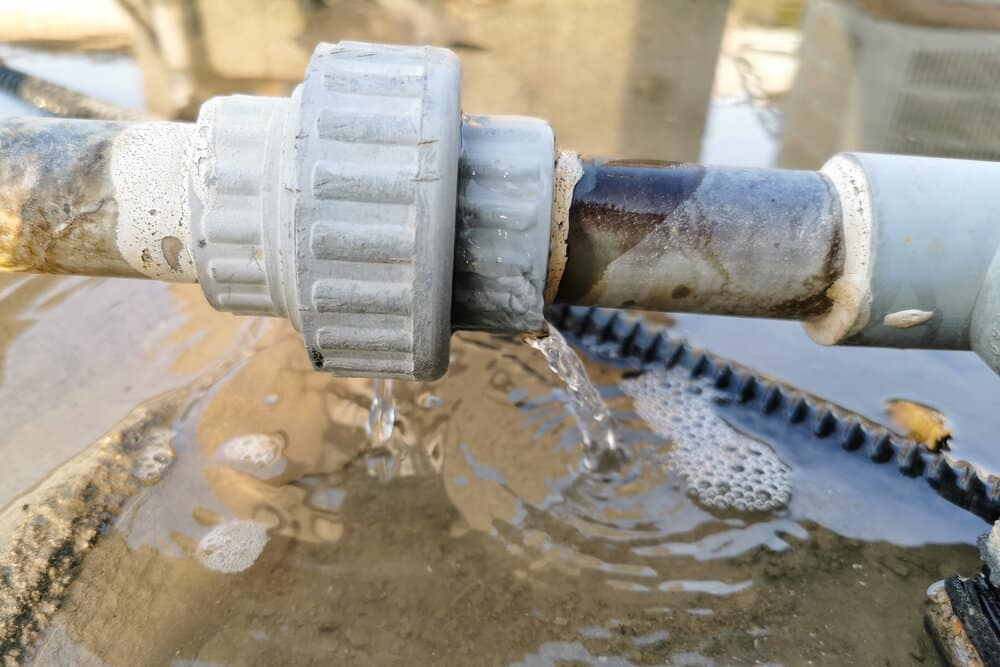
Yes, central air conditioners can cause water leaks from condensate drainage. Moisture from the air condenses on the cooling coils and drains outside. Blocked or damaged drain lines can lead to water leaks indoors.
Is Water Consumption High In Central Air Conditioning?
No, central air conditioners have low water consumption. Most do not use water actively for cooling. Water use is limited to condensate drainage or optional evaporative cooling in some hybrid systems.
Conclusion
Central air conditioners do not use water to cool your home. They work by moving heat from inside to outside using refrigerant. Some systems may produce small amounts of water from condensation. This water is usually drained away and not reused.
Understanding this helps you maintain your AC properly. Keep your unit clean and check drains regularly. This keeps your system running well and your home comfortable. Knowing how your AC works makes cooling easier and safer.