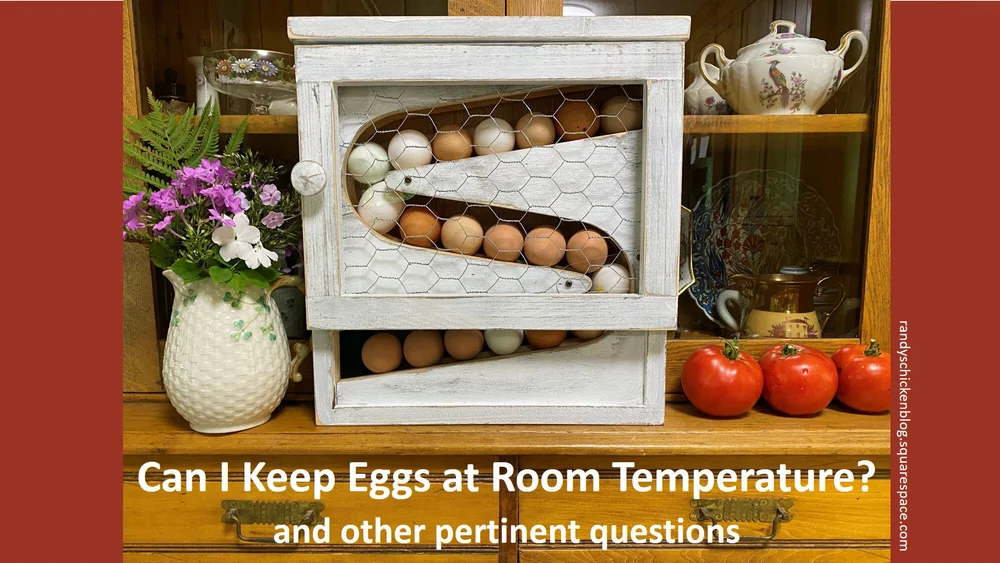
Are you unsure whether chicken eggs need to be kept in the fridge? You’re not alone.
Many people wonder if storing eggs at room temperature is safe or if refrigeration is necessary to keep them fresh. The answer isn’t as simple as you might think. Understanding how to store your eggs properly can save you money, prevent food waste, and keep your family safe.
Keep reading to discover the facts behind egg storage and find out what’s best for your kitchen.

Credit: grubblyfarms.com
Egg Storage Basics
Egg storage is a simple but important part of keeping eggs fresh and safe to eat. Knowing how eggs are processed and stored helps decide if refrigeration is necessary. Different factors affect how long eggs last and how to store them properly.
How Eggs Are Processed
After hens lay eggs, they go through sorting and packing. Commercial eggs often pass through cleaning and grading machines. This process removes dirt and checks egg quality. Some farms sell unwashed eggs directly, which changes storage needs.
Eggshell Protection
Eggshells have a natural coating called the bloom or cuticle. This layer protects eggs from bacteria and moisture loss. When this coating stays intact, eggs stay fresh longer without refrigeration. Cracks or washing can damage the shell and reduce protection.
Impact Of Washing Eggs
Washing eggs removes dirt but also strips the protective bloom. This makes eggs more vulnerable to bacteria. Washed eggs usually require refrigeration to keep them safe. In some countries, washing is mandatory, while in others, unwashed eggs are common and stored differently.
Refrigeration Rules By Region
Egg refrigeration rules vary widely depending on where you live. These differences arise from how eggs are processed after being laid and the local food safety guidelines. Understanding these regional practices can help you handle eggs safely and keep them fresh longer.
United States Practices
In the U.S., eggs are washed and sanitized before they reach the store. This cleaning removes the natural protective coating on the shell, making refrigeration necessary to prevent bacteria from entering.
You’ll find that most American households keep eggs in the fridge, usually in the original carton to avoid moisture loss and odor absorption. Have you ever noticed eggs sweating when taken out of the fridge? This happens because condensation forms on the cold shell, which can encourage bacteria growth if not refrigerated.
European Methods
European countries often avoid washing eggs, preserving their natural protective layer called the “bloom.” This layer helps keep out bacteria, allowing eggs to be safely stored at room temperature for a longer time.
In many European homes, eggs sit on the kitchen counter rather than in the fridge. However, once eggs have been refrigerated, it’s best to keep them cold to avoid condensation. Do you know if your local store refrigerates eggs or leaves them out? This can be a good clue on how to store them at home.
Other Global Approaches
In countries like Japan and Australia, egg handling varies but tends to combine both washing and refrigeration, depending on the supplier. Some places rely heavily on refrigeration to ensure safety, while others trust the natural shell protection and store eggs at room temperature.
Climate also plays a big role. In warmer, humid regions, refrigeration is often necessary to prevent spoilage. What’s your experience with egg storage in your country? Sharing your habits might reveal surprising local rules.
Benefits Of Refrigerating Eggs
Refrigerating eggs offers many clear benefits. It helps keep eggs safe and fresh for longer. Storing eggs in the fridge slows down processes that cause spoilage. This simple step ensures eggs stay good for your meals and baking.
Extending Shelf Life
Cold temperatures slow down the aging process of eggs. Refrigeration can extend the shelf life from a week to several weeks. This allows you to keep eggs longer without worry. You can reduce food waste by using eggs before they spoil.
Reducing Bacterial Growth
Bacteria grow faster at room temperature. Keeping eggs in the fridge lowers the chance of harmful bacteria multiplying. This reduces the risk of food poisoning. It is especially important for raw or lightly cooked eggs.
Maintaining Egg Quality
Refrigeration helps preserve the egg’s texture and flavor. The cold keeps the egg whites firm and the yolks intact. Eggs kept at room temperature lose quality faster. Fresh eggs taste better and work well in recipes.
When Refrigeration Isn’t Necessary
Refrigeration is often seen as essential for egg storage. Yet, there are situations where eggs do not need to be kept cold. Understanding when refrigeration isn’t necessary helps maintain egg quality and safety without extra energy use.
Unwashed Farm Fresh Eggs
Farm fresh eggs often have a natural coating called the bloom. This coating protects eggs from bacteria and moisture loss. As long as eggs are not washed, this layer stays intact. Unwashed eggs can stay safe at room temperature for several weeks.
Washing eggs removes the protective layer. This makes eggs more vulnerable to bacteria. So, unwashed eggs from trusted sources can be stored safely without refrigeration.
Short Term Room Temperature Storage
Eggs can stay fresh outside the fridge for a short time. About one to two weeks is usually safe at room temperature. Keep eggs in a cool, dry place away from direct sunlight.
Use a covered container or egg carton to protect them. This prevents strong smells from reaching the eggs and keeps them clean.
Climate Considerations
Room temperature storage depends on the climate. Cooler, dry climates help keep eggs fresh longer. In hot or humid areas, eggs spoil faster without refrigeration.
High temperatures cause bacteria to grow quickly. In such climates, refrigerating eggs is safer to prevent foodborne illness.
Best Ways To Store Eggs
Storing eggs properly keeps them fresh and safe to eat. Eggs are delicate and can spoil quickly if not handled right. Good storage helps maintain their quality and taste. Follow these tips for the best ways to store your eggs.
Ideal Refrigerator Conditions
Keep eggs at a steady temperature below 40°F (4°C). The cold slows down bacteria growth and preserves freshness. Store eggs in the main body of the fridge, not the door. The door opens often, causing temperature changes.
Proper Egg Carton Usage
Store eggs in their original carton. The carton protects eggs from odors and moisture loss. It also keeps eggs from cracking. Place the carton on a shelf, not on the fridge door. Label the carton with the purchase date for freshness tracking.
Avoiding Temperature Fluctuations
Do not move eggs between warm and cold places often. Sudden changes cause condensation, which can promote bacteria. Keep eggs away from strong-smelling foods to avoid odor absorption. Consistent temperature helps eggs stay fresh longer.

Credit: www.rd.com
Signs Of Spoiled Eggs
Knowing how to spot spoiled eggs is essential for your safety and to avoid wasting good food. Eggs can sometimes look fine on the outside but be bad inside. You don’t want to crack open an egg only to find it smells terrible or looks off. Here are some simple ways to check if your eggs have gone bad before you use them.
Visual Inspection
Start by looking closely at the eggshell. If you see cracks, slimy residue, or powdery spots, these are signs of bacterial growth or mold. Avoid using eggs with any unusual discoloration or damage.
After cracking the egg, check the egg white and yolk. A spoiled egg often has cloudy egg whites or a yolk that breaks apart easily. If the yolk looks dull or discolored, it’s best to discard it.
Smell Test
One of the quickest ways to tell if an egg is bad is by smelling it. A fresh egg will have little to no smell, but a rotten egg emits a strong sulfur-like odor. If you notice any unpleasant smell immediately after cracking, don’t use that egg.
Sometimes the smell is subtle, so give it a good sniff before cooking. Your nose is a reliable tool here—trust it to avoid food poisoning.
Float Test
Fill a bowl with cold water and gently place your egg inside. Fresh eggs usually sink and lie flat on the bottom. If the egg stands upright or floats, it has likely gone bad.
This happens because as eggs age, air builds up inside the shell, making them buoyant. The float test is an easy, no-cost way to quickly check egg freshness before cracking one open.
Tips For Handling Eggs Safely
Handling eggs safely is crucial to keep your kitchen healthy and your meals delicious. Eggs can carry bacteria like Salmonella on their shells or inside, so knowing the right steps to manage them can prevent foodborne illnesses. Let’s dive into practical tips you can start using today to keep your eggs safe from fridge to plate.
Washing And Cleaning Advice
Washing eggs is a topic full of debate. In many countries, eggs come pre-washed and have a protective coating, so washing them at home can actually remove this barrier and increase the risk of contamination.
If your eggs are visibly dirty, gently wipe them with a dry or slightly damp cloth just before use. Avoid soaking or scrubbing eggs under running water, which can push bacteria through the shell pores.
Do you store eggs in the carton or loose? Keeping eggs in their original carton helps protect them from absorbing strong odors and prevents damage that could let bacteria in.
Safe Cooking Temperatures
Cooking eggs thoroughly is the best way to kill harmful bacteria. Make sure both the yolk and white are firm; runny eggs can still harbor pathogens.
- Scrambled eggs should be cooked until firm, not watery.
- Egg dishes like casseroles should reach an internal temperature of 160°F (71°C).
- When frying or boiling, aim for a firm yolk rather than soft or raw.
Have you ever wondered if your favorite soft-boiled eggs are truly safe? It’s better to cook eggs fully, especially if serving vulnerable groups like children or elderly family members.
Cross-contamination Prevention
Eggs can contaminate your kitchen if you’re not careful. Always wash your hands immediately after handling raw eggs to stop bacteria from spreading to countertops or other foods.
Use separate utensils and cutting boards for eggs and other ingredients. Avoid cracking eggs directly over salads or ready-to-eat foods to minimize risk.
Clean all surfaces and tools with hot, soapy water after contact with eggs. Think about the last time you prepared eggs—did you clean everything properly before touching your phone or grabbing the salt shaker?

Credit: grubblyfarms.com
Frequently Asked Questions
Do Eggs Need Refrigeration In The Us?
In the US, eggs are washed to remove bacteria, which also removes the protective bloom. This makes refrigeration necessary to prevent contamination. Keeping eggs in the fridge maintains freshness and reduces the risk of salmonella. Always store eggs at a consistent temperature below 40°F (4°C) for safety.
How Long Can Unrefrigerated Eggs Last?
Unrefrigerated eggs can last about two weeks if they haven’t been washed. However, this depends on the storage conditions. In warm climates, they spoil faster. It’s safer to refrigerate them to extend their shelf life and ensure safety. Always check for freshness before use.
Can Room Temperature Eggs Be Refrigerated?
Yes, eggs can be refrigerated after being at room temperature. However, it’s best to refrigerate them soon after purchase. This helps maintain their freshness and safety. Transitioning from room temperature to refrigeration is safe, but avoid frequent temperature changes to prevent condensation, which can encourage bacterial growth.
Why Do Some Countries Not Refrigerate Eggs?
In many countries, eggs aren’t washed, so their protective bloom remains intact. This natural coating prevents bacteria from entering the shell. These eggs can be safely stored at room temperature. The difference in egg handling practices explains why some countries don’t require refrigeration.
Conclusion
Eggs can stay fresh without refrigeration in some places. Clean, dry eggs last longer outside the fridge. But in many countries, refrigeration keeps eggs safe. It slows bacteria growth and keeps eggs fresh. Remember to store eggs in a cool, dry spot.
Check local rules and habits for best practice. Simple care helps eggs stay good to eat. Safe eggs mean happy meals and less waste. Choose what fits your kitchen and climate best.