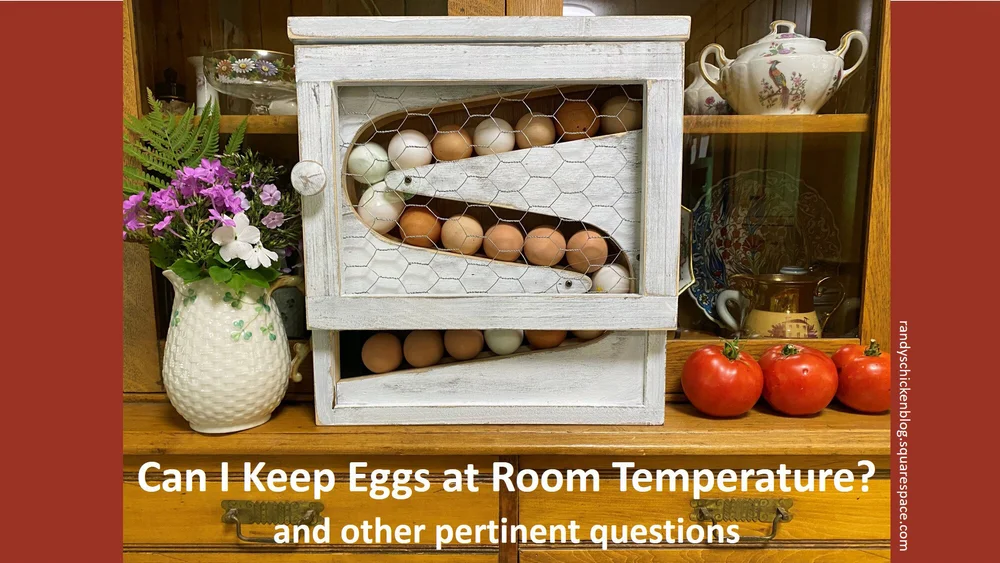
Have you ever wondered if chicken eggs really need to be refrigerated? It’s a simple question, but the answer might surprise you.
Whether you buy eggs from the store or get them fresh from a farm, knowing how to store them properly can save you money, keep your food safe, and make your eggs last longer. You’ll discover the truth about egg storage, common myths, and easy tips you can use right away.
Keep reading to find out what’s best for your eggs—and your kitchen.
Egg Storage Basics
Understanding the basics of egg storage can change how you handle eggs at home. It’s not just about putting eggs in the fridge or leaving them out; it depends on several factors related to how eggs are processed and their natural protection. Knowing these details helps you keep eggs fresh longer and safer to eat.
How Eggs Are Processed
After eggs are collected from farms, they usually go through cleaning and grading. In some countries, eggs are washed thoroughly to remove dirt and bacteria. This process, however, can remove a natural protective layer, making refrigeration necessary.
In other places, eggs are not washed but simply sorted and packed. This means the natural coating stays intact, allowing eggs to be stored safely at room temperature for weeks. Have you ever noticed how eggs from local farmers can last longer without refrigeration?
Natural Egg Coating
Eggs have a thin, natural coating called the “bloom” or cuticle. This coating seals tiny pores on the shell and blocks bacteria from entering. It acts like a natural shield, keeping the egg safe and fresh.
When the bloom stays on the egg, it helps maintain freshness without needing cold storage. But washing eggs removes this coating, exposing them to quicker spoilage. This difference explains why eggs in your supermarket fridge might not last as long if left outside.
Impact On Shelf Life
The presence or absence of the natural coating directly impacts how long eggs stay good. With the coating, eggs can last about 2-3 weeks at room temperature. Without it, refrigeration becomes crucial to slow down bacterial growth and keep eggs safe.
Storing eggs properly can reduce waste and save money. Next time you buy eggs, check if they appear washed or not, and decide whether they need to be refrigerated. How might adjusting your egg storage routine improve your kitchen efficiency?

Credit: grubblyfarms.com
Refrigeration Practices Worldwide
Egg refrigeration practices vary widely worldwide. Different countries follow different rules based on food safety standards and egg handling methods. Understanding these practices helps explain why eggs are stored differently across regions.
Us And Canada Standards
In the US and Canada, eggs must be washed and refrigerated. Washing removes dirt and bacteria but also removes a natural protective layer. Refrigeration prevents bacteria growth and keeps eggs fresh longer. Eggs are stored at about 4°C (39°F) in stores and homes. Leaving eggs unrefrigerated risks faster spoilage and foodborne illness.
European Approaches
European countries usually do not wash eggs before sale. This keeps the natural coating intact. The coating protects eggs from bacteria and moisture loss. Eggs are often stored at room temperature in shops and homes. Refrigeration is less common but used in some households to extend shelf life. The focus is on gentle handling and fast consumption.
Other Global Methods
Many countries in Asia, Africa, and Latin America sell eggs without washing. Eggs stay at ambient temperature, often in open markets. Some places use natural methods like lime water or ash to protect eggs. Refrigeration is rare due to cost and infrastructure limits. People rely on quick use and traditional knowledge to keep eggs safe.
Benefits Of Refrigerating Eggs
Refrigerating eggs offers several important benefits that impact their safety, quality, and shelf life. Keeping eggs cold can make a noticeable difference in how long they last and how safe they remain to eat. If you’ve ever wondered whether to store eggs in the fridge or on the counter, understanding these benefits might help you decide.
Slowing Bacterial Growth
Eggs naturally carry bacteria like Salmonella on their shells. Cold temperatures slow down the growth of these harmful bacteria, reducing the risk of foodborne illness.
By refrigerating your eggs, you create an environment that keeps bacteria from multiplying quickly. This is especially important if you plan to keep eggs for more than a few days.
Maintaining Freshness
Freshness affects the texture and taste of eggs. When eggs stay cold, their quality remains intact longer, preventing the whites from becoming watery and the yolks from flattening.
Have you noticed how eggs stored at room temperature sometimes lose their firmness faster? Refrigeration helps maintain the original freshness you expect when cracking open an egg.
Extending Usability
Storing eggs in the fridge extends their usability by several weeks. This gives you more time to use them safely in recipes without worrying about spoilage.
Think about those times you found eggs in the back of your fridge weeks later still good to use. That extra time can reduce food waste and save you money.
Risks Of Not Refrigerating
Not refrigerating chicken eggs can lead to several risks. These risks affect both safety and quality. Understanding these risks helps keep eggs safe to eat and fresh for longer.
Salmonella Concerns
Salmonella bacteria can grow quickly on eggs left out at room temperature. This bacteria can cause food poisoning. Symptoms include stomach pain, fever, and diarrhea. Refrigeration slows bacterial growth and lowers the risk of contamination. Eggs stored outside the fridge have a higher chance of carrying Salmonella.
Quality Degradation
Eggs lose freshness faster without refrigeration. The egg whites become thinner and runnier. The yolk can start to break down and become flat. These changes affect taste and cooking quality. Refrigeration helps keep eggs firm and fresh for many weeks.
Temperature Fluctuations
Eggs left at room temperature face changing temperatures during the day. These fluctuations cause condensation inside the shell. Moisture can allow bacteria to enter the egg. Constant temperature in a fridge prevents this moisture build-up. This keeps eggs safer and fresher longer.
When Refrigeration May Not Be Needed
Not all eggs demand a chill in the fridge. Understanding when refrigeration might be unnecessary can save space and maintain egg quality in certain situations. Let’s look at the specific conditions where eggs can safely stay out without spoiling.
Farm-fresh Eggs
Eggs straight from the henhouse often come with a natural protective coating called the bloom. This layer helps keep out bacteria and moisture, making refrigeration less urgent.
If you get eggs directly from a trusted local farm, you might notice they stay fresh for weeks without cooling. However, this only works if the eggs remain unwashed and intact.
Proper Washing Techniques
Washing eggs too soon or improperly can strip away their protective bloom, exposing them to bacteria. If you must wash, use warm water that’s hotter than the egg itself, and dry them immediately.
Washing eggs carefully and only right before use means you can still store them safely at room temperature for a while. Do you know how your eggs were handled before reaching your kitchen?
Short-term Storage
Eggs can comfortably sit on your counter for about a week if conditions are right. Keep them in a cool, dry place away from direct sunlight.
For short trips from farm to table or quick use in recipes, skipping the fridge can be practical. But, are you prepared to monitor them closely for any signs of spoilage?

Credit: grubblyfarms.com
Tips For Storing Eggs Safely
Storing eggs safely keeps them fresh and reduces health risks. Proper storage slows bacteria growth and preserves taste. Follow simple tips to handle eggs correctly every time.
Ideal Temperature Range
Eggs last longer at temperatures between 33°F and 40°F (1°C to 4°C). Keep eggs in the main fridge area, not in the door. The door’s temperature changes often, harming egg quality.
Storage Positioning
Store eggs with the pointed end down to keep the yolk centered. Use the original carton to protect eggs from absorbing fridge odors. Avoid stacking heavy items on top to prevent cracks.
Avoiding Cross-contamination
Keep eggs away from raw meat and seafood in the fridge. Wash hands and surfaces after handling eggs to stop bacteria spread. Do not wash eggs before storing, as this removes their natural coating.
Eggs In Recipes And Cooking
Eggs are a key ingredient in many recipes. Their temperature affects how well dishes turn out. Understanding the role of egg temperature helps in cooking and baking.
Using Room Temperature Eggs
Room temperature eggs mix better with other ingredients. They blend smoothly in batters and doughs. Cold eggs can cause lumps or uneven texture. Let eggs sit out for 20-30 minutes before use. This step improves the overall consistency of your recipe.
Effects On Baking
Room temperature eggs help create lighter, fluffier baked goods. They trap air more easily when beaten. This leads to better rise and texture in cakes. Cold eggs can slow down the mixing process. They may also make batter thicker and harder to work with.
Food Safety Considerations
Keep eggs safe by handling them properly. Use clean hands and surfaces when cracking eggs. Avoid leaving eggs out for more than two hours. Refrigerate unused eggs to prevent bacteria growth. Cooking eggs thoroughly kills harmful germs.

Credit: www.allrecipes.com
Frequently Asked Questions
Do Fresh Eggs Need Refrigeration?
Freshly laid eggs have a protective coating. This coating helps keep bacteria out. In many countries, eggs are not refrigerated. However, if you wash them, refrigeration is necessary. In the U. S. , washing is standard, so refrigerate eggs to ensure safety and freshness.
How Long Can Eggs Stay Unrefrigerated?
Eggs can stay unrefrigerated for about two hours. After that, the risk of bacterial growth increases. If you’re unsure of their freshness, perform a float test. Fresh eggs sink, while older eggs float. For best quality, refrigerate eggs as soon as possible.
Why Do Some Countries Not Refrigerate Eggs?
In many countries, eggs are not washed before sale. This leaves a natural coating intact. This coating protects against bacteria. Without washing, refrigeration isn’t necessary. However, in the U. S. , eggs are washed, removing this layer. Therefore, refrigeration is essential for safety.
What Happens If Eggs Aren’t Refrigerated?
If eggs aren’t refrigerated, bacteria can grow. This increases the risk of foodborne illnesses. Warm temperatures accelerate this growth. For optimal safety, keep eggs in the refrigerator. This practice helps maintain their freshness and reduces the risk of contamination.
Conclusion
Eggs can be safe without refrigeration in some places. Fresh, unwashed eggs keep well at room temperature. Washed eggs or those from stores need to stay cool. Keeping eggs cold slows bacteria growth and keeps them fresh. Always store eggs in a clean, dry spot.
Use eggs within a few weeks for best taste. Remember, safety matters more than convenience. Choose the right storage for your eggs every time.