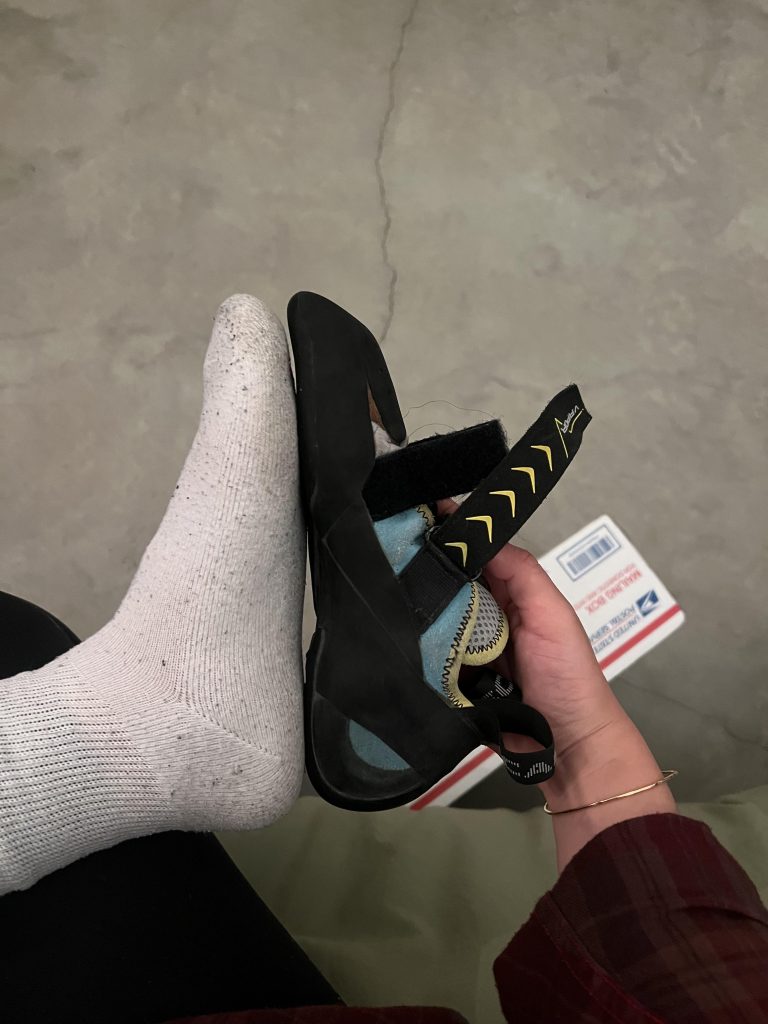
Have you ever bought climbing shoes that felt tight at first and wondered, “Will these stretch out?” If your shoes are pinching your toes or feeling uncomfortable, you’re not alone. Understanding whether climbing shoes stretch—and how much they do—can make a huge difference in your climbing comfort and performance.
You’ll discover the truth about climbing shoe stretch, tips to break them in properly, and how to find the perfect fit that supports your feet without pain. Keep reading to make sure your next climb feels just right.
How Climbing Shoes Fit
Climbing shoes need to fit well for safety and performance. Shoes that fit right help you climb better and avoid injury.
Understanding how climbing shoes fit starts with knowing the basics. Different materials and fits affect comfort and stretching.
Sizing Basics
Climbing shoes usually fit tighter than normal shoes. They should feel snug but not painfully tight. Your toes may curl slightly inside.
- Try shoes with thin socks or no socks for best fit.
- Your heel should fit snug without slipping.
- Check that the shoe holds your foot firmly when you climb.
- Don’t choose shoes that cause numbness or sharp pain.
Material Types
Shoe materials affect how much the shoe will stretch. Leather stretches more than synthetic fabric.
| Material | Stretch Level | Comfort |
| Full-grain leather | High | Softens over time |
| Synthetic fabric | Low | Maintains shape |
| Combination (leather & synthetic) | Medium | Balanced fit |
Initial Comfort Vs Performance Fit
Some climbers choose shoes that feel comfortable right away. Others pick shoes that feel tight at first for better control later.
- Comfort Fit: Shoes feel good when you try them on. They may stretch less.
- Performance Fit: Shoes feel tight at first. They stretch and mold to your feet.
- Consider what type of climbing you do before picking your fit.
- Try both styles to find what works best for you.
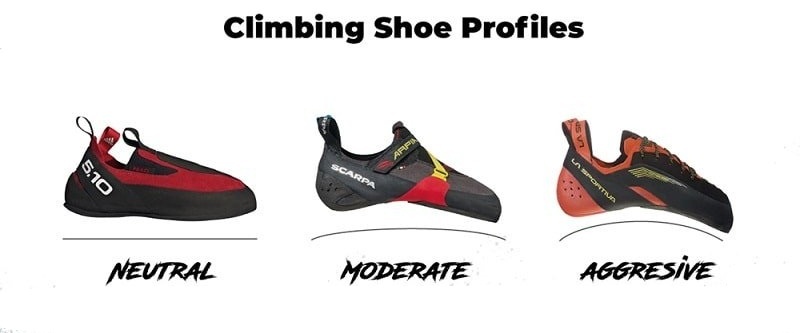
Credit: www.vertical-addiction.com
Stretching Potential Of Materials
Climbing shoes come in different materials that affect how much they stretch. Understanding this helps choose the right fit.
Some materials stretch more over time while others stay the same size. This guide explains leather, synthetic, and hybrid shoes.
Leather Shoes
Leather is soft and molds to your feet after use. It stretches well, especially when new.
Leather shoes can stretch up to half a size or more. They become more comfortable but may feel loose after long use.
- Stretch with wear and heat
- Can stretch unevenly
- Needs break-in time
Synthetic Shoes
Synthetic materials stretch less than leather. They keep their shape for a longer time.
These shoes fit snug at first and stay close to that fit. They are good for climbers who want consistent size.
- Very little stretch
- Good for precise fit
- Less break-in needed
Hybrid Materials
Hybrid shoes mix leather and synthetic parts. Stretching depends on the mix ratio.
Leather areas stretch more, synthetic parts stay firm. This gives a balance of comfort and shape retention.
- Leather sections stretch moderately
- Synthetic parts resist stretch
- Offers moderate break-in time
Factors Influencing Stretch
Climbing shoes may stretch over time due to several factors. Understanding these can help you choose the right fit.
Stretching depends on how long you wear the shoes, the conditions inside them, and their design.
Wear Duration
The length of time you wear climbing shoes affects how much they stretch. Longer use usually means more stretch.
- New shoes stretch less in the first few hours.
- After many hours, the material loosens and fits better.
- Regular wear causes gradual stretching over weeks.
Moisture And Heat
Sweat and warmth inside the shoe can make the material softer and more flexible. This helps the shoe stretch.
| Condition | Effect on Stretch |
| Dry and Cool | Less stretch, firmer fit |
| Wet and Warm | More stretch, softer fit |
Shoe Construction
The materials and design of climbing shoes change how much they stretch. Some materials stretch more than others.
- Leather:Stretches well and molds to your foot.
- Synthetic:Less stretch, keeps shape longer.
- Rubber soles:Stretch very little, mostly stay firm.
Signs Your Shoes Are Stretching
Climbing shoes often feel tight at first. Over time, they may stretch to fit your feet better. Knowing the signs can help you decide if your shoes are stretching properly.
Watch for changes in how the shoes fit and feel. This guide covers common signs like fit changes, wrinkles, and sole flexibility.
Changes In Fit
Stretching climbing shoes feel less tight after some use. The shoes may feel roomier around the toes and heel. A slight increase in comfort usually means the shoes are stretching.
- The shoe feels less pinching on your toes
- The heel holds your foot securely but feels less snug
- You notice small gaps where the shoe previously felt very tight
- Your foot slides less as the shoe molds to its shape
Wrinkles And Creases
Wrinkles appear in the shoe’s upper material as it stretches. These creases often form near the toes and sides. They show the shoe is adapting to your foot shape.
| Area | Wrinkle Signs |
|---|---|
| Toe Box | Small horizontal creases across the front |
| Sides | Wrinkles near the arch and outside edges |
| Heel | Fewer wrinkles but slight folds near the back |
Sole Flexibility
The sole of climbing shoes usually stiffens to support your foot. When shoes stretch, the sole may feel a bit more flexible. This is a sign the shoe is breaking in and molding to your foot.
- The sole bends more easily when you press it
- You feel more control on small edges and holds
- The shoe still supports your foot well without feeling loose
How Much Do Shoes Typically Stretch?
Climbing shoes often change shape after use. Stretching depends on the shoe material and fit. Knowing how much they stretch helps pick the right size.
Some shoes stretch more than others. The fit should be snug but not painful. Stretching can make shoes more comfortable over time.
Leather Vs Synthetic Differences
Leather climbing shoes stretch more than synthetic ones. Leather is a natural material that softens and molds to your feet. Synthetic shoes keep their shape better but stretch less.
- Leather shoes can stretch up to 5-10% in length and width.
- Synthetic shoes stretch about 1-3%, mostly in width.
- Leather shoes feel softer after breaking in.
- Synthetic shoes maintain their original fit longer.
Expected Stretch Percentages
| Material | Expected Stretch | Stretch Type |
|---|---|---|
| Full-grain Leather | 5% to 10% | Length and width |
| Split Leather | 3% to 7% | Width mainly |
| Synthetic (Polyester, Nylon) | 1% to 3% | Width mostly |
| Rubber (Sole) | Less than 1% | Minimal stretch |

Credit: gearjunkie.com
Tips To Manage Shoe Stretch
Climbing shoes often stretch after use. This can affect fit and comfort. Managing how your shoes stretch helps keep them effective.
Here are simple tips to control shoe stretch and keep your climbing shoes fitting well over time.
Breaking-in Techniques
New climbing shoes can feel tight at first. Breaking them in gently helps stretch them just enough. Avoid forcing the stretch too fast.
- Wear shoes for short sessions indoors.
- Use them around the house for 30 minutes at a time.
- Gradually increase wear time over days.
- Flex and bend the shoes lightly with your hands.
- Do not soak shoes in water to speed up stretching.
Avoiding Overstretching
Too much stretch can cause your shoes to lose support. It can also make them slip during climbs. Avoid overstretching by following these tips.
| Cause | Effect | How to Avoid |
| Wearing shoes too long | Excessive loosening | Limit wear time |
| Using shoes for walking | Shape deformation | Use climbing shoes only for climbing |
| Improper drying | Material damage | Air dry naturally, avoid heat |
Using Socks Or Liners
Socks or liners can help control stretch and improve comfort. They act as a buffer between your foot and the shoe.
- Wear thin socks to reduce direct pressure on shoes.
- Use special climbing liners to protect shoe interior.
- Choose moisture-wicking socks to keep feet dry.
- Try different thicknesses to find the best fit.
When To Replace Climbing Shoes
Climbing shoes often stretch with use. Knowing when to replace them can save your feet from pain.
Worn-out shoes hurt your climbing performance and comfort. Watch for clear signs to change them.
Signs Of Excessive Stretch
Shoes that stretch too much lose their snug fit. This makes climbing harder and less safe.
Look for these signs of too much stretch:
- The heel becomes loose and slips off
- The toe box feels roomy or baggy
- The shoe wrinkles or folds when worn
- The shoe feels less supportive
Impact On Performance
Stretching can reduce your shoe’s grip and control on small holds. This affects your climbing safety.
Loose shoes make foot placements less precise. You may slip or lose balance more easily.
- Less power transfer to the wall
- Reduced sensitivity for footwork
- More foot fatigue during climbs
- Higher risk of slipping off holds
Repair Vs Replace
Small stretches or worn parts can sometimes be fixed by a cobbler. Resoling is common for worn soles.
Replace shoes when repairs no longer restore fit or performance. Extreme stretching means less support.
- Repair if the sole is worn but fit is good
- Replace if shoes feel loose or misshapen
- Replace if climbing performance drops noticeably
- Consider comfort and safety first

Credit: www.reddit.com
Frequently Asked Questions
Do Climbing Shoes Stretch After Wearing?
Yes, climbing shoes typically stretch slightly with use. Leather shoes stretch more than synthetic ones. Expect about 5-10% stretch, mainly in width and length.
How Much Do Climbing Shoes Usually Stretch?
Most climbing shoes stretch around half a size. Stretch varies by material and shoe brand. Leather shoes stretch the most, while synthetic shoes stretch less.
Can Climbing Shoes Stretch Too Much And Lose Fit?
Overstretching can cause shoes to lose snug fit. Proper fit is essential for climbing performance. Avoid shoes that feel too tight initially.
How To Speed Up The Stretching Process Of Climbing Shoes?
Wearing shoes around the house or during climbing helps. Some use warm water or shoe stretchers cautiously. Avoid damaging shoe material during stretching.
Conclusion
Climbing shoes do stretch over time. The material and usage affect this. Leather shoes stretch more than synthetic ones. Proper fit is crucial for comfort and performance. Trying shoes before buying helps ensure the right size. Proper care can maintain their lifespan and fit.
Gradual stretching is normal, but excessive can mean a wrong size. Always consider your climbing style and frequency. This ensures your shoes meet your needs. Happy climbing!