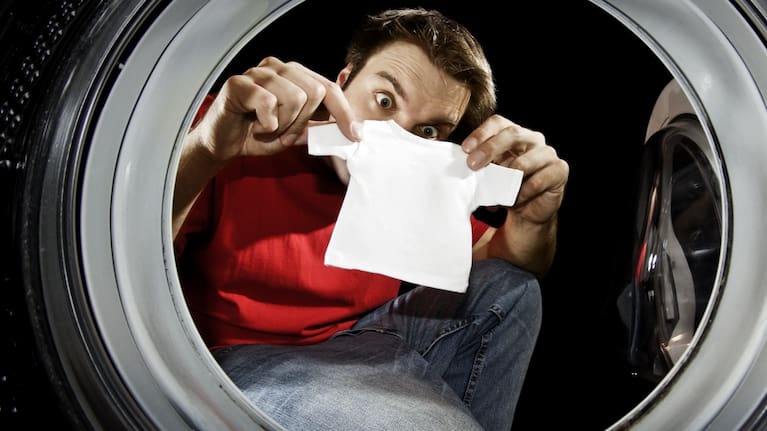
Have you ever pulled a favorite shirt out of the dryer only to find it much smaller than before? It’s frustrating when your clothes don’t fit like they used to.
You might wonder, does shrinking happen in the washer, the dryer, or both? Understanding where and why your clothes shrink can save you money, time, and wardrobe headaches. Keep reading to discover the surprising truth about shrinking fabrics and how you can protect your clothes from unexpected size changes.
Why Clothes Shrink
Clothes often shrink after washing or drying. This happens because the fibers in the fabric change shape. Heat, water, and mechanical action all play a role.
Shrinkage is more common in some fabrics than others. Knowing why clothes shrink helps you care for them better and avoid damage.
Fabric Types And Shrinkage
Different fabrics shrink at different rates. Natural fibers like cotton and wool shrink more than synthetic ones. This is because natural fibers absorb water and heat differently.
- Cotton:Shrinks easily due to water absorption and heat.
- Wool:Shrinks when exposed to heat and agitation.
- Polyester:Resists shrinking because it is synthetic.
- Linen:Can shrink but less than cotton.
How Fibers React To Water And Heat
| Fiber Type | Reaction to Water | Reaction to Heat | Shrinkage Risk |
| Cotton | Absorbs water, swells | Heat tightens fibers | High |
| Wool | Absorbs water, becomes flexible | Heat causes felting | High |
| Polyester | Does not absorb much water | Melts at very high heat | Low |
| Linen | Absorbs water moderately | Heat can shrink slightly | Medium |
Shrinkage In The Washer
Clothes can shrink during washing. This happens because of water and movement inside the washer.
Understanding what causes shrinkage helps you take better care of your clothes.
Effect Of Water Temperature
Water temperature plays a big role in shrinking clothes. Hot water can make fibers tighten and shrink.
- Cold water is safer for many fabrics and reduces shrinkage.
- Warm water may cause mild shrinkage in some materials.
- Hot water can cause severe shrinkage, especially with cotton and wool.
Agitation And Fabric Stress
Agitation means the movement and rubbing of clothes in the washer. Strong agitation stresses the fabric.
| Agitation Level | Effect on Fabric | Risk of Shrinkage |
| Low | Gentle on fibers | Low |
| Medium | Moderate stress | Medium |
| High | Strong fiber stress | High |
Shrinkage In The Dryer
Clothes often shrink in the dryer due to heat and movement. This is a common issue for many fabrics.
Shrinkage happens because heat changes the fabric fibers. The dryer’s tumbling action also affects the size.
Heat Impact On Different Fabrics
Heat causes fibers to tighten and pull together. Natural fabrics like cotton shrink more than synthetic ones.
Wool also shrinks with heat, but polyester and nylon resist shrinking better. Hot dryers cause more shrinkage.
- Cotton: Shrinks easily with heat
- Wool: Shrinks and felts with heat
- Polyester: Resists shrinking
- Nylon: Holds shape well
Tumble Action And Fabric Contraction
The dryer’s tumbling moves clothes around fast. This movement makes fabric fibers squeeze closer.
Repeated tumbling combined with heat causes more shrinkage. Gentle cycles can reduce this effect.
- Fast tumbling tightens fabric fibers
- Heat softens fibers, making them contract
- Gentle cycle lowers shrinkage risk
- Overdrying increases shrinkage
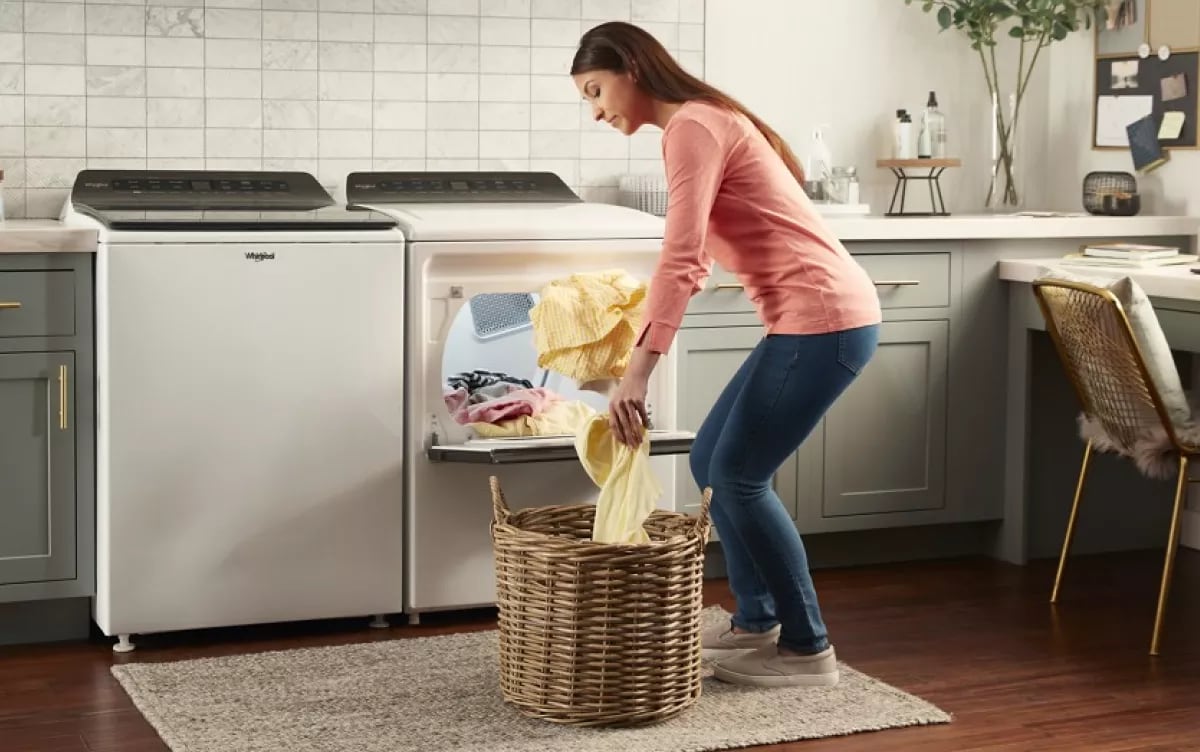
Credit: www.whirlpool.com
Comparing Washer Vs Dryer Shrinkage
Clothes can shrink after washing or drying. Many people wonder which machine causes more shrinkage. Understanding this helps to care for your clothes better.
Both washers and dryers use water and heat. These can affect fabric size in different ways. Let’s look at the differences.
Which Causes More Shrinkage?
The dryer usually causes more shrinkage than the washer. Heat from the dryer can make fibers contract tightly. The washer mainly uses water, which can also shrink clothes but less.
| Machine | Cause of Shrinkage | Impact on Clothes |
| Washer | Water and agitation | May cause mild shrinkage, mainly if hot water is used |
| Dryer | Heat and tumbling | Causes more shrinkage by shrinking fibers quickly |
Common Misconceptions
Many believe cold water in the washer stops all shrinkage. This is not true. Some fabrics shrink even in cold water.
- Dryers do not always shrink clothes if used on low heat.
- Washers can cause shrinking if hot water and high agitation are used.
- Fabric type matters more than just washer or dryer choice.
Preventing Clothes Shrinkage
Shrinking clothes in the washer or dryer can ruin your favorite outfits. Understanding how to prevent shrinkage helps keep clothes fitting well. Many fabrics shrink because of heat or agitation during washing and drying.
This guide explains how to choose the right machine settings and care for different fabrics. Following these tips can extend the life of your clothes.
Choosing The Right Settings
Selecting proper washer and dryer settings reduces the chance of shrinkage. Use lower temperatures and gentle cycles for delicate items. Avoid high heat, which causes fibers to contract.
- Use cold or warm water instead of hot water in the washer.
- Choose a gentle or delicate wash cycle to reduce fabric stress.
- Opt for low heat or air-dry settings in the dryer.
- Avoid over-drying clothes by removing them while still slightly damp.
- Check care labels for manufacturer washing and drying instructions.
Proper Fabric Care Tips
Different fabrics shrink at different rates. Knowing fabric types helps you care for clothes correctly. Cotton and wool shrink more than synthetic fibers.
| Fabric Type | Care Advice |
| Cotton | Wash in cold water, dry on low heat or air dry. |
| Wool | Use cold water wash and lay flat to dry. |
| Polyester | Machine wash warm, tumble dry low. |
| Linen | Wash cold, avoid high dryer heat. |
| Rayon | Hand wash recommended, dry flat. |
.jpg?wid=1200&fmt=webp)
Credit: www.whirlpool.ca
When Shrinkage Can Be Beneficial
Shrinking clothes is not always a bad thing. Sometimes, it can be useful. This is especially true when clothes are too large. Shrinkage helps make them fit better.
Knowing when and how to shrink clothes can save you from buying new ones. Let’s explore some techniques that can be beneficial.
Intentional Shrinking Techniques
Some fabrics shrink easily. Cotton and wool are examples. You can use this to your advantage.
- Wash in hot water for more shrinkage
- Tumble dry on high heat
- Repeat the process if needed
Fixing Oversized Clothes
Oversized clothes can be a hassle. But shrinking them can make them fit just right.
| Clothing Item | Shrink Method |
| T-shirts | Hot wash and dry |
| Sweaters | Steam and dry |
| Jeans | Boil and dry |
Credit: www.apparelnbags.com
Frequently Asked Questions
Do Clothes Shrink More In Dryer Or Washer?
Clothes typically shrink more in the dryer due to heat exposure. Washers use water and agitation, causing less shrinkage. High dryer temperatures can tighten fibers, leading to noticeable size reduction. Using low heat or air drying helps prevent shrinkage effectively.
Why Do Cotton Clothes Shrink After Washing?
Cotton shrinks because its fibers swell and contract when wet and heated. Heat causes fibers to tighten and pull together, reducing fabric size. Agitation during washing also affects fiber alignment. To avoid shrinkage, wash cotton in cold water and air dry.
Can Synthetic Fabrics Shrink In The Dryer?
Synthetic fabrics like polyester and nylon rarely shrink in the dryer. They are heat-resistant and maintain shape well. However, very high dryer temperatures can cause slight shrinkage or damage. Using low heat settings or air drying is recommended to preserve synthetic garments.
How To Prevent Clothes From Shrinking In Washer?
To prevent shrinking, wash clothes in cold water and gentle cycles. Avoid hot water, which relaxes fibers and causes shrinkage. Use mild detergents and skip heavy agitation. Air drying or low heat drying also helps maintain original garment size.
Conclusion
Clothes can shrink in both the washer and dryer. Hot water and high heat cause most shrinking. Choosing cold water and low dryer heat helps keep clothes size stable. Always check the care labels before washing or drying. Taking these steps protects your favorite clothes.
Small changes make a big difference in how clothes fit. Keep your wardrobe looking good and lasting longer. Simple habits prevent shrinking and save money too. Try these tips for better laundry results every time.