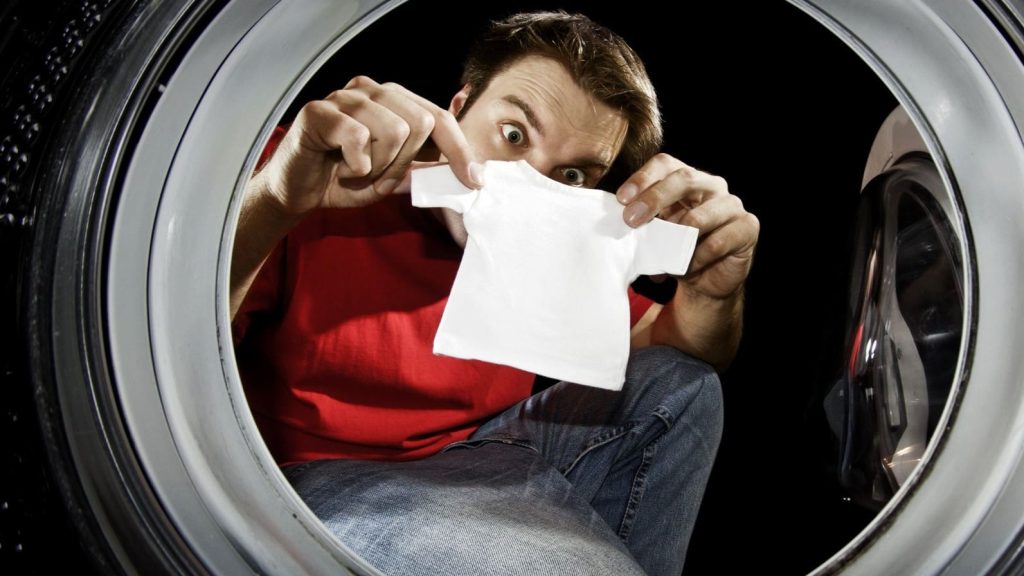
Have you ever pulled your favorite shirt out of the laundry only to find it suddenly smaller? It’s frustrating, right?
You might wonder, does your washer or dryer cause your clothes to shrink? Knowing the answer can save your wardrobe from unexpected damage. You’ll discover exactly how shrinking happens and what you can do to keep your clothes fitting perfectly every time.
Keep reading to protect your favorite pieces and avoid costly mistakes!
How Fabrics React To Water
Clothes can change size after washing. Water and heat affect fabrics differently. Understanding fabric types helps prevent unwanted shrinking.
Some fabrics absorb water and swell. Others resist water or stay stable. This impacts how they behave in washers and dryers.
Cotton And Its Shrinking Behavior
Cotton fibers absorb water quickly. When wet, fibers swell and then contract as they dry. This causes cotton clothes to shrink.
- Cotton shrinks mostly in warm or hot water.
- Drying at high heat makes cotton shrink more.
- Cold water washing reduces shrinking risk.
- Pre-shrunk cotton still may shrink slightly.
Wool And Natural Fibers
Wool absorbs water but reacts differently than cotton. Its scales lock together when wet and heated. This causes wool to felt and shrink.
| Fiber Type | Water Absorption | Shrinking Risk | Best Care |
| Wool | High | High (felting) | Hand wash cold, dry flat |
| Cotton | High | Moderate | Wash cold, low heat dry |
| Linen | Moderate | Low | Wash gentle, air dry |
Synthetic Fabrics And Stability
Synthetic fabrics like polyester resist water absorption. They do not swell much and stay stable in washers and dryers. This means less shrinking.
Common synthetic fabrics and their water reactions:
- Polyester: Low water absorption, very stable.
- Nylon: Slight water absorption, stable.
- Acrylic: Low water absorption, minimal shrinkage.
Credit: ruleroflondon.com
Heat Effects In The Dryer
Clothes often shrink in the dryer because of the heat. The dryer’s temperature can change the size and feel of your fabrics.
Understanding how heat affects clothes helps you protect your favorite garments. Let’s look at what happens inside the dryer.
High Temperature Impact
High heat in the dryer can cause fibers to tighten and shrink. Natural fabrics like cotton are most affected.
Synthetic fibers may melt or lose shape if the temperature is too high. Always check fabric care labels before drying.
- Heat causes fibers to contract and shrink
- Cotton and wool shrink more than synthetics
- High heat can damage delicate fabrics
Tumble Drying And Fabric Stress
Tumble drying moves clothes around, which adds stress to fibers. This action can stretch or weaken fabric over time.
Constant tumbling combined with heat speeds up wear and shrinkage. It is important to choose the right drying settings.
- Tumbling causes friction between fibers
- Repeated tumbling can stretch or shrink clothes
- Lower heat and shorter drying time reduce stress
Safe Dryer Practices
Use low or medium heat to protect your clothes from shrinking. Remove clothes while they are slightly damp.
Clean the dryer lint filter regularly for better airflow. Air drying some clothes can also prevent heat damage.
- Set dryer to low or medium heat settings
- Take clothes out before fully dry to avoid shrinkage
- Clean lint filter after each use
- Air dry delicate or heat-sensitive fabrics
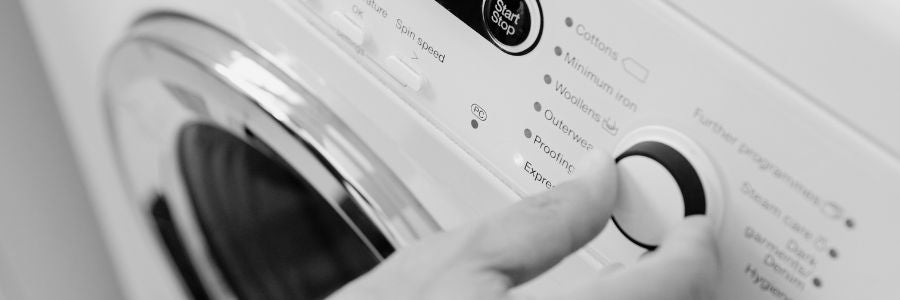
Role Of Washer Settings
Clothes can shrink from washing or drying. The washer settings play a big role in this. Choosing the right settings helps protect your clothes.
This guide covers how water temperature, cycle types, and agitation affect fabric size and wear.
Water Temperature Choices
Water temperature affects fabric fibers. Hot water can make some fabrics shrink. Cold water is gentler and reduces shrinking risk.
- Hot water cleans well but may shrink cotton and wool.
- Warm water balances cleaning and care for some fabrics.
- Cold water is best for delicate and synthetic clothes.
Cycle Types And Their Effects
Washers have different cycles for fabric types. Choosing the right cycle helps keep clothes safe from shrinking and damage.
| Cycle Type | Use For | Effect on Clothes |
| Normal | Durable fabrics | Good cleaning, moderate wear |
| Delicate | Silk, lace, and light fabrics | Gentle cleaning, less shrinkage |
| Permanent Press | Synthetic blends | Reduces wrinkles, moderate care |
| Heavy Duty | Jeans, towels | Strong cleaning, more wear |
Agitation And Fabric Wear
Agitation is how the washer moves clothes during washing. High agitation can cause fabric to stretch or shrink.
To protect your clothes, remember:
- Low agitation is best for delicate fabrics.
- High agitation works for tough fabrics but may cause shrinking.
- Check your washer’s settings for gentle options.
Credit: www.swagify.com
Common Shrinkage Myths
Many people worry about clothes shrinking after washing or drying. Some ideas about shrinkage are not true. It is good to know the facts to keep your clothes fitting well.
This article looks at some common myths about shrinking clothes. We will check if cold water stops shrinkage, if drying outside helps, and if shrinkage can be fixed.
Does Cold Water Prevent Shrinkage?
Many believe that washing clothes in cold water stops them from shrinking. Cold water can help reduce shrinkage, but it does not fully prevent it. The fabric type matters more.
Cotton and wool are more likely to shrink. Cold water slows down the process but does not stop it. Hot water increases the chance of shrinking.
- Cold water reduces stress on fibers
- Some fabrics still shrink in cold water
- Hot water causes more shrinkage
Can Drying Clothes Outside Avoid Shrinkage?
People think drying clothes outside can stop shrinkage. Air drying is gentler than using a dryer. It lowers the risk of shrinking but does not always stop it.
Sunlight and wind can help dry clothes slowly. This method works best for delicate fabrics. Heavy fabrics may shrink less but can still change size.
- Air drying is gentler than machine drying
- Sunlight can fade colors but not cause shrinkage
- Some shrinking happens before drying
Is Shrinkage Always Permanent?
Many people think that once clothes shrink, they can never go back. Shrinkage is not always permanent. Some fabrics can stretch back or be reshaped.
Using warm water and gentle stretching may help. Wool and cotton can sometimes return to their original size. However, some shrinkage is permanent, especially with heat damage.
- Some fabrics can be reshaped after shrinking
- Heat damage usually causes permanent shrinkage
- Gentle washing and stretching may help
Preventing Shrinkage
Clothes can shrink if washed or dried the wrong way. Shrinkage changes the size and fit of your clothes. Knowing how to prevent it helps your clothes last longer.
This guide covers ways to avoid shrinkage by using the right washing and drying methods. You will learn about washing techniques, dryer settings, and other drying options.
Proper Washing Techniques
Washing clothes with care lowers the chance of shrinkage. Use cold water to protect fabric fibers. Avoid hot water that can cause shrinkage. Gentle cycles reduce stress on clothes.
- Sort clothes by fabric type and color
- Use cold or lukewarm water settings
- Select a gentle or delicate wash cycle
- Use mild detergents made for delicate fabrics
- Avoid overloading the washing machine
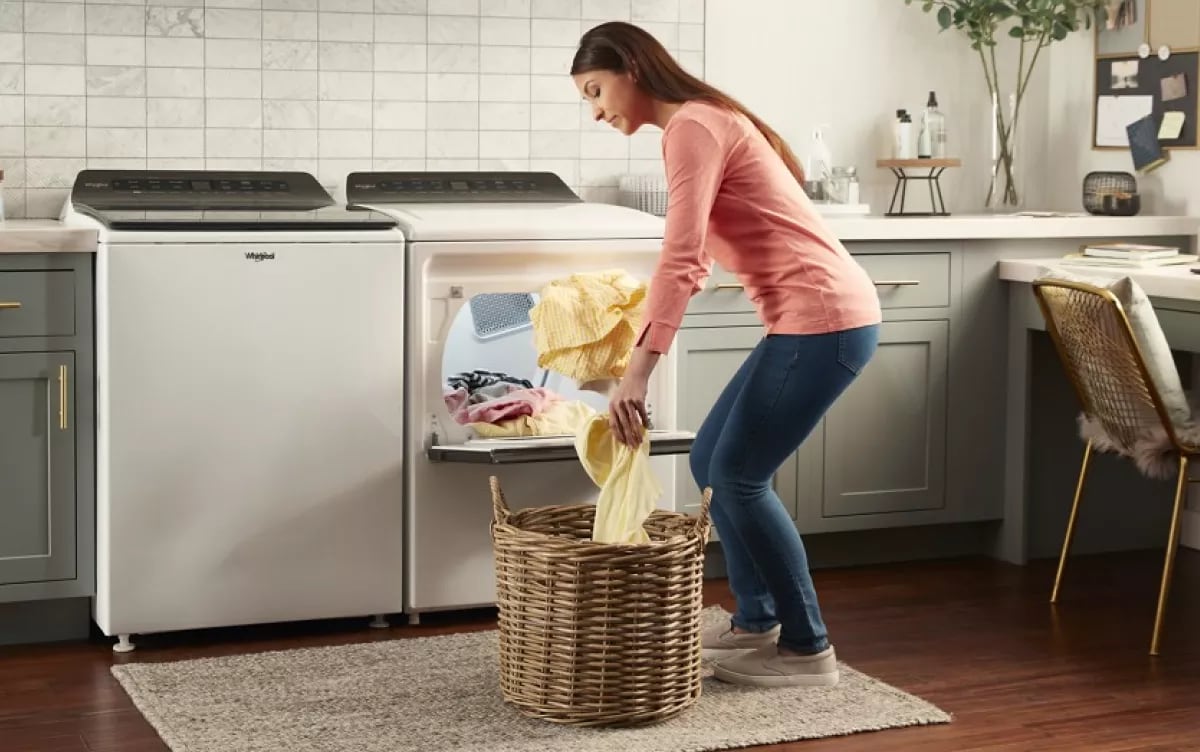
Choosing The Right Dryer Settings
Dryers can shrink clothes if used on high heat. Choose low or medium heat settings. Use shorter drying times to protect fabrics. Remove clothes while slightly damp to air dry.
| Dryer Setting | Effect on Shrinkage |
| High Heat | High risk of shrinkage |
| Medium Heat | Moderate risk |
| Low Heat | Low risk |
| Air Fluff / No Heat | Minimal risk |
Alternative Drying Methods
Some drying methods help prevent shrinkage better than others. Air drying is one of the safest options. Using drying racks or hanging clothes helps them keep their shape.
- Lay sweaters flat on a clean towel
- Hang shirts on padded hangers
- Avoid direct sunlight to prevent color fading
- Turn clothes inside out before drying
Credit: www.whirlpool.com
Restoring Shrunk Clothes
Clothes sometimes shrink after washing or drying. It’s possible to restore them to their original size.
Simple methods can help stretch and reshape your clothes. Let’s explore some effective techniques.
Stretching And Reshaping Tips
Stretching clothes back to size involves gentle handling. You can use common household items to help in this process.
- Soak the garment in lukewarm water.
- Add a bit of baby shampoo or conditioner.
- Gently stretch the fabric while it’s wet.
- Lay flat to dry, using towels to reshape.
Using Fabric Softeners
Fabric softeners can help relax fibers. This makes it easier to stretch clothes back to their original size.
Professional Solutions
Sometimes home methods aren’t enough. Professional services offer advanced techniques to restore clothes.
| Service | Benefit |
| Professional Dry Cleaning | Specialized treatment for delicate fabrics |
| Alteration Services | Expert reshaping and resizing |
| Steam Stretching | Effective for stubborn shrinkage |
Frequently Asked Questions
Do Clothes Shrink More In Washer Or Dryer?
Clothes typically shrink more in the dryer due to heat exposure. Washers mainly cause minimal shrinkage from water and agitation. High heat in dryers tightens fabric fibers, leading to noticeable shrinkage, especially in cotton and wool garments.
Why Do Some Clothes Shrink After Washing?
Some clothes shrink because water and heat cause fibers to contract. Natural fibers like cotton and wool are more prone to shrinking. Improper washing or drying settings can also increase shrinkage risks. Always follow care labels to reduce shrinkage.
Can Cold Water Prevent Clothes From Shrinking?
Yes, washing clothes in cold water helps prevent shrinkage. Cold water reduces fiber contraction and color fading. It’s gentler on fabrics and preserves garment size better than warm or hot water washes.
How To Avoid Shrinking Clothes In The Dryer?
To avoid shrinking clothes in the dryer, use low heat or air dry settings. Remove garments while slightly damp to prevent over-drying. Air drying or line drying is best for delicate fabrics prone to shrinkage.
Conclusion
Clothes can shrink in both the washer and the dryer. Heat and water cause fibers to tighten and shrink. Dryers often shrink clothes more because of high heat. Washing clothes in cold water helps reduce shrinking. Air drying is gentler and keeps clothes closer to their original size.
Always check care labels before washing or drying. Taking simple steps can help your clothes last longer. Keep fabrics safe by choosing the right water temperature and drying method. Simple care makes a big difference in how your clothes fit.