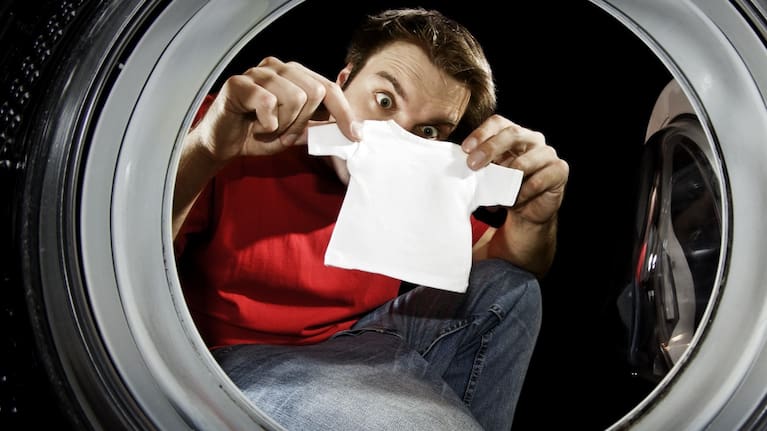
Have you ever pulled your favorite shirt out of the laundry, only to find it looking smaller than before? You’re not alone.
Many people wonder: do clothes actually shrink in the washer or the dryer? Understanding where and why this happens can save you from frustrating wardrobe mishaps. You’ll discover the simple facts about shrinking clothes and learn easy tips to keep your garments looking just the right size.
Keep reading—you’ll want to know these secrets before your next laundry day!
Credit: www.whirlpool.com
How Fabric Reacts To Water
Water can change the size and shape of clothes. Fabrics react differently when washed or dried.
Some fabrics shrink more in water or heat. Understanding fabric helps prevent unwanted changes.
Cotton And Shrinkage
Cotton is natural and absorbs water easily. When wet, cotton fibers swell and can shrink.
Heat from washers or dryers causes cotton to tighten. This makes the fabric smaller than before.
- Cold water reduces cotton shrinkage
- High dryer heat increases shrinkage
- Pre-shrunk cotton shrinks less
Wool And Water Effects
Wool reacts strongly to water and heat. Its fibers have scales that lock together when wet.
This causes wool to shrink and felt, making fabric thick and stiff. Gentle washing helps avoid this.
- Use cold water for washing wool
- Avoid dryer heat to prevent shrinking
- Hand washing is best for wool
Synthetic Fibers Behavior
Synthetic fibers like polyester and nylon do not absorb water much. They usually do not shrink in water.
Heat can melt or damage synthetics, but they keep their size better than natural fibers.
- Wash synthetics in cool or warm water
- Use low dryer heat or air dry
- Synthetics resist shrinking overall
Credit: www.apparelnbags.com
Heat Impact In Dryers
Dryers use heat to dry clothes quickly. The heat can affect fabric size and shape.
Knowing how heat works in dryers helps protect your clothes from shrinking.
High Heat And Fiber Contraction
High heat causes fibers in clothes to tighten. This makes clothes smaller than before.
Natural fibers like cotton shrink more under high heat than synthetic ones.
- High heat shrinks cotton and wool the most
- Synthetic fibers resist shrinking better
- Repeated high heat exposure increases shrinkage
Low Heat Settings Effects
Low heat dries clothes gently. It reduces the chance of shrinking.
Using low heat is safer for delicate fabrics and mixed materials.
- Low heat limits fiber contraction
- Protects delicate fabrics like silk and lace
- May take longer to dry clothes fully
Air Drying Vs Machine Drying
Air drying uses no heat, so clothes keep their size and shape.
Machine drying is faster but risks shrinking clothes with heat.
- Air drying is best for fabrics that shrink easily
- Machine drying saves time but may shrink clothes
- Choose air drying for delicate or expensive items
Washer Settings That Affect Size
Clothes can shrink if washer settings are not chosen carefully. Different settings impact fabric size in various ways.
Understanding how temperature, spin speed, and water choice affect clothes helps prevent shrinking.
Hot Water Cycles
Hot water can cause some fabrics to shrink. It breaks down fibers, making them tighter and smaller.
- Cotton and wool shrink more in hot water.
- Synthetics usually handle heat better but may still shrink.
- Hot water removes stains well but risks size changes.
Spin Speed Influence
Spin speed controls how fast the washer extracts water from clothes. High speeds can stretch or shrink fabric.
| Spin Speed | Effect on Clothes |
| Low (400-600 RPM) | Gentle on fabric, less shrinking |
| Medium (700-900 RPM) | Standard drying, mild shrink risk |
| High (1000+ RPM) | Can tighten fibers, causing shrinkage |
Cold Water Benefits
Cold water is safer for most clothes. It helps keep their original size and color.
Benefits of washing with cold water:
- Reduces fabric shrinking and stretching
- Protects bright and dark colors from fading
- Saves energy by avoiding heating water
Common Myths About Shrinking
Many people worry about clothes shrinking after washing or drying. Some ideas about shrinking are not true. It helps to know the facts to take care of your clothes.
Shrinking depends on many things like fabric type and washing method. Let’s look at some common myths about shrinking clothes.
Only Dryers Cause Shrinkage
Some people think dryers are the only cause of shrinking. But clothes can shrink in the washer too. Hot water and strong washing cycles can shrink clothes before drying.
Dryers add heat and tumbling, which often cause more shrinkage. Still, washing with hot water can start shrinking the fabric.
All Fabrics Shrink Equally
Not all fabrics shrink the same way. Natural fibers like cotton and wool shrink more than synthetic fibers. Polyester and nylon usually stay the same size after washing.
- Cotton: shrinks easily with heat
- Wool: shrinks when washed or dried hot
- Polyester: resists shrinking
- Nylon: mostly stable in size
Knowing fabric types helps to pick the best washing and drying methods to avoid shrinking.
Shrinkage Is Always Permanent
Shrinkage is not always permanent. Some fabrics can stretch back after washing or when wet. Others may stay smaller if heat damage is severe.
You can try gentle stretching or rewashing in cold water to restore size. Be careful with heat to prevent lasting shrinkage.
Preventing Clothes From Shrinking
Clothes can shrink if washed or dried incorrectly. Shrinking ruins the fit and look of your garments. Using proper care can keep your clothes the right size.
Learn how to prevent shrinking by choosing the right settings, using fabric softeners, and following proper laundry techniques.
Choosing The Right Settings
Washing machines and dryers have many settings. Picking the correct one helps protect your clothes from shrinking. Use cold water and gentle cycles for delicate fabrics.
- Use cold or warm water instead of hot water.
- Choose a gentle or delicate wash cycle.
- Select a low heat or air dry setting on the dryer.
- Remove clothes promptly to avoid extra heat exposure.
Using Fabric Softeners
Fabric softeners help keep clothes soft and reduce friction. This lowers the chance of shrinking during washing and drying.
| Type of Fabric | Recommended Softener Use |
|---|---|
| Cotton | Use liquid softener in wash cycle |
| Wool | Use special wool softener only |
| Synthetic fabrics | Use fabric softener sheets in dryer |
Proper Laundry Techniques
How you handle clothes before and after washing matters. Follow these tips to avoid shrinking and keep clothes in good shape.
- Sort clothes by fabric type and color.
- Do not overload the washer or dryer.
- Use a mesh laundry bag for small or delicate items.
- Hang dry heavy or shrink-prone clothes.
- Check garment labels for specific washing instructions.
Credit: www.swagify.com
Restoring Shrunken Clothes
Many people find their clothes shrink after washing or drying. This can be frustrating, but there are ways to fix it. Here are some methods to restore shrunken clothes and make them wearable again.
Stretching Methods
Stretching shrunken clothes can help them return to their original size. Gently pulling the fabric can loosen the fibers and make it larger.
- Wet the garment with lukewarm water.
- Lay it flat on a towel.
- Gently stretch to desired size.
- Let it air dry.
Soaking And Conditioning
Soaking clothes in a solution can help them relax and expand. Conditioner is a great option to soften the fibers.
Mix conditioner with warm water. Soak the clothing for 30 minutes. Rinse and stretch gently. Dry flat for best results.
Professional Solutions
If home methods don’t work, seek professional help. Tailors and dry cleaners can offer expert solutions for shrunken clothes.
They have special tools and techniques to stretch and reshape garments safely. Consider this option for valuable or delicate items.
Frequently Asked Questions
Do Clothes Shrink More In Washer Or Dryer?
Clothes usually shrink more in the dryer due to heat exposure. Washers mostly cause minor shrinking from water and agitation. High dryer temperatures tighten fibers, making fabrics smaller. To avoid shrinking, use low heat settings or air dry clothes after washing.
Why Do Some Fabrics Shrink In The Washer?
Fabrics shrink in washers due to water, heat, and agitation. Natural fibers like cotton absorb water and swell, then tighten when drying. Hot water increases shrinking risk. Gentle cycles and cold water reduce fabric shrinkage during washing.
Can Cold Water Prevent Clothes From Shrinking?
Yes, cold water helps prevent clothes from shrinking. It reduces fiber swelling and heat damage during washing. Using cold water with gentle cycles minimizes shrinkage risks. Cold water is also energy-efficient and better for delicate fabrics.
How To Avoid Shrinking Clothes In The Dryer?
Avoid shrinking by using low heat or air-dry settings in the dryer. Remove clothes promptly to reduce heat exposure. Consider using dryer balls to improve airflow and drying efficiency. Air drying is the safest method to prevent shrinking altogether.
Conclusion
Clothes can shrink more in the dryer than the washer. Heat causes fibers to tighten and shrink. Washing in cold water helps keep clothes their size. Air drying reduces the risk of shrinking too. Always check care labels for the best washing tips.
Taking small steps protects your favorite clothes longer. Shrinkage is common but easy to manage with care. Keep your wardrobe looking good by washing smart and drying gently. Simple habits make a big difference in clothing care.