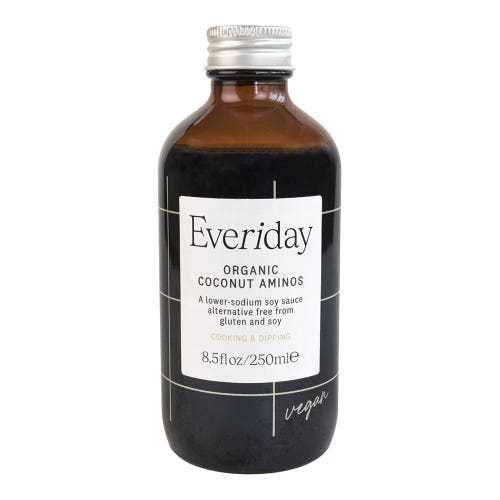
Are you wondering if coconut aminos need to be refrigerated? You’re not alone.
Many people love using coconut aminos as a tasty, healthier alternative to soy sauce, but they aren’t sure how to store it properly. If you’re tired of guessing or risking your bottle going bad, this article is for you. Keep reading to find out exactly how to keep your coconut aminos fresh and safe, so every meal you make tastes just right.
Credit: naturamarket.ca
What Are Coconut Aminos
Coconut aminos have become a popular alternative to soy sauce, especially for those seeking gluten-free or lower-sodium options. But what exactly are coconut aminos? Understanding this can help you decide how to use and store it effectively in your kitchen.
What Is Coconut Aminos Made From?
Coconut aminos is a sauce made from the fermented sap of coconut palm trees mixed with sea salt. It doesn’t contain soy or wheat, making it a great choice for people with allergies or dietary restrictions.
The fermentation process gives it a rich, slightly sweet, and salty flavor, similar to soy sauce but milder and less salty. This unique taste profile makes it versatile for many recipes.
How Is Coconut Aminos Different From Soy Sauce?
Unlike soy sauce, coconut aminos have a much lower sodium content—about 70% less. This makes it a healthier option if you’re watching your salt intake.
Also, coconut aminos are naturally gluten-free and soy-free. This means you can enjoy a similar umami flavor even if you avoid these common allergens.
Why Do People Choose Coconut Aminos?
People often pick coconut aminos because it suits special diets like paleo, keto, or Whole30. Plus, its mild sweetness works well in marinades, dressings, and stir-fries without overpowering other flavors.
Have you ever noticed how some soy sauces can be too salty or harsh? Coconut aminos offer a gentler, more balanced taste that many cooks appreciate.
Shelf Life Without Refrigeration
Wondering how long coconut aminos last without refrigeration? Knowing the shelf life can help you decide if you need to chill it after opening or if it’s safe to keep on your pantry shelf. Coconut aminos is a fermented sauce, which means it naturally resists spoilage better than fresh condiments.
Shelf Life Of Unopened Coconut Aminos
Unopened bottles of coconut aminos can last quite a while without refrigeration. Typically, they stay good for about 1 to 2 years when stored in a cool, dark place away from direct sunlight. Check the “best by” date on the bottle to get a clearer idea of its longevity.
How Long Can You Keep Coconut Aminos Opened Without Refrigeration?
Once opened, coconut aminos can generally last 1 to 3 months outside the fridge if kept tightly sealed and away from heat. However, the flavor and quality might start to decline over time. You might notice a slight change in taste or color, which doesn’t always mean it’s unsafe but could affect your dishes.
Signs That Coconut Aminos Have Gone Bad
- Unusual sour or off smell
- Visible mold or cloudiness in the liquid
- Separation or thickening beyond the usual
- Off taste that’s bitter or rancid
If you spot any of these, it’s best to toss the bottle and get a fresh one.
Practical Tips To Extend Shelf Life Without Refrigeration
- Store coconut aminos in a dark cupboard or pantry away from heat sources
- Always use clean utensils to avoid contamination
- Keep the cap tightly closed after every use
These small habits can help you enjoy coconut aminos longer without refrigeration, but remember that refrigeration is still the safest way to maintain its freshness.
Benefits Of Refrigerating Coconut Aminos
Keeping coconut aminos in the fridge can make a noticeable difference in how long it stays fresh and tasty. You might wonder if refrigeration is really necessary, but once you see the benefits, storing it cold will become your new habit.
Extends Shelf Life
Refrigeration slows down the growth of bacteria and mold. This means your bottle of coconut aminos lasts much longer after opening. You avoid throwing out spoiled sauce, saving money and reducing waste.
Maintains Flavor Quality
Cold storage helps preserve the unique sweet and salty taste of coconut aminos. When kept at room temperature, the flavor can degrade or become off over time. Have you ever tasted sauce that seemed flat or sour? Refrigeration keeps that from happening.
Prevents Color Changes
Coconut aminos can darken if left out, especially in warm areas. This doesn’t just affect looks—it can hint at changes in freshness. Keeping it refrigerated helps retain its rich, amber color, making your dishes look as good as they taste.
Reduces Risk Of Contamination
Every time you open the bottle, tiny bacteria from the air or utensils can enter. Cooling the sauce slows their growth, keeping your food safer. Think of refrigeration as a simple way to protect your health while enjoying your favorite condiment.

Credit: littlefarms.com
Signs Coconut Aminos Have Spoiled
Coconut aminos can spoil over time, especially if not stored correctly. It is important to identify signs of spoilage to avoid using bad coconut aminos. Spoiled coconut aminos can affect the taste of your food and may cause health issues. Recognizing these signs early helps keep your meals safe and delicious.
Change In Color
Fresh coconut aminos usually have a dark brown color. If you notice the liquid turning lighter or developing cloudy spots, it may be spoiled. Color changes often mean the product has started to break down or grow bacteria.
Unpleasant Smell
Coconut aminos have a slightly sweet and salty aroma. A sour or rotten smell is a clear sign of spoilage. If the smell is off or strange, it is best to discard the bottle.
Off Taste
Good coconut aminos taste mildly sweet and salty. A sour or bitter taste indicates spoilage. Avoid using coconut aminos that taste different from usual, as it can ruin your recipe.
Presence Of Mold
Check the bottle’s surface and cap for mold growth. Mold may appear as fuzzy or discolored patches. Any visible mold means the coconut aminos should be thrown away immediately.
Bubbles Or Fizzing
Bubbles or fizzing in the bottle without shaking is a sign of fermentation. This means bacteria or yeast are growing inside. Fermented coconut aminos are unsafe to use and must be discarded.
Best Storage Practices
Proper storage of coconut aminos keeps its flavor fresh and quality intact. Knowing the right way to store it ensures safety and taste. Follow simple storage tips to extend its shelf life and enjoy every drop.
Before Opening
Store coconut aminos in a cool, dark place. A pantry or kitchen cabinet works well. Avoid direct sunlight and heat sources. This prevents changes in flavor and color. Keep the bottle sealed tightly to protect it from air and moisture.
After Opening
Once opened, refrigeration is best. Cold temperatures slow down spoilage. It keeps the aminos fresh longer. Make sure to close the cap tightly after each use. This stops bacteria and mold growth. Use the product within a few months for best taste.
Using Airtight Containers
Transfer coconut aminos to an airtight container if the original bottle is damaged. Airtight containers block air and moisture effectively. Glass containers with secure lids are ideal. Avoid plastic containers that may absorb odors. Clean the container before use to avoid contamination.
Comparing Coconut Aminos To Soy Sauce Storage
Comparing how you store coconut aminos and soy sauce reveals some interesting differences that might affect your kitchen routine. Both are popular alternatives for seasoning, but they behave differently once opened. Understanding their storage needs helps you keep your sauces fresh and flavorful for longer.
Storage Requirements For Coconut Aminos
Coconut aminos typically do not require refrigeration before opening due to their natural preservatives like salt and amino acids. However, once opened, refrigerating coconut aminos can help maintain their flavor and extend shelf life. If you leave it out at room temperature, it may still be safe but could lose quality faster.
How Soy Sauce Storage Differs
Soy sauce has a higher salt content, which acts as a strong preservative. This means unopened soy sauce can be stored at room temperature without issues for a long time. After opening, refrigeration is recommended but not absolutely necessary, as soy sauce tends to hold up well even on the counter.
Practical Tips For Your Kitchen Shelf Or Fridge
- If you use coconut aminos frequently, keeping the bottle in the fridge after opening can preserve its mild sweetness and prevent fermentation.
- Soy sauce can comfortably live on your pantry shelf, but if you prefer a fresher taste, a quick chill helps.
- Check the label for any manufacturer-specific advice; some brands may have different formulations that affect storage.
Why Does This Matter To You?
Have you noticed your coconut aminos tasting different after a few weeks? This could be due to improper storage. Keeping your sauces in the right conditions helps you enjoy the full flavor and avoid waste. What’s your go-to sauce for seasoning, and how do you store it?
Impact Of Temperature On Flavor And Quality
Temperature plays a key role in keeping coconut aminos fresh and tasty. Storing this sauce properly helps maintain its unique flavor and quality over time. Changes in temperature can affect the natural sweetness and savory notes of coconut aminos. It can also impact the texture and color, which are important for a good cooking experience.
Understanding how temperature affects coconut aminos can guide better storage choices. This knowledge helps preserve the sauce’s rich flavor and ensures it stays safe to use for longer periods.
Flavor Stability At Different Temperatures
Coconut aminos taste best when stored at cool temperatures. Warm conditions can cause the flavor to weaken or change. Heat may break down the natural sugars, making the sauce less sweet. Cold storage slows down this process, keeping the flavor balanced and fresh.
Effect Of Temperature On Shelf Life
Storing coconut aminos in a warm place shortens its shelf life. Higher temperatures speed up fermentation and spoilage. Refrigeration keeps the sauce stable for months after opening. It reduces the risk of off-flavors and bacterial growth.
Texture And Appearance Changes
Temperature shifts can alter the texture of coconut aminos. Heat may cause the sauce to become thinner or separate. Cold storage helps maintain a smooth and consistent texture. The color stays dark and rich when kept cool, enhancing visual appeal.

Credit: www.foodservicedirect.com
Frequently Asked Questions
Do Coconut Aminos Require Refrigeration After Opening?
Yes, coconut aminos should be refrigerated after opening. Refrigeration helps maintain flavor and quality. It also prevents spoilage and extends shelf life.
Can Coconut Aminos Be Stored At Room Temperature?
Unopened coconut aminos can be stored at room temperature. Once opened, refrigeration is recommended to avoid bacterial growth and preserve taste.
How Long Does Coconut Aminos Last Refrigerated?
Refrigerated coconut aminos typically last 6 to 12 months. Always check the label for specific storage instructions and expiration dates.
What Happens If Coconut Aminos Are Not Refrigerated?
If not refrigerated, opened coconut aminos may spoil faster. This can lead to off-flavors, fermentation, and potential food safety issues.
Conclusion
Coconut aminos don’t need refrigeration if unopened. Keep in a cool, dry place. Once opened, refrigeration is recommended. This preserves flavor and extends shelf life. Coconut aminos offer a tasty, soy-free option for dishes. They suit many diets and preferences.
Storing them properly ensures freshness. Enjoy their savory flavor in meals. Keep them chilled for best results. Remember to check the label for specific instructions. Stay informed for safe and delicious cooking experiences.