
Have you ever wondered what kind of bats college baseball players use when they step up to the plate? If you’re curious about whether wooden bats make the cut or if aluminum bats dominate the college scene, you’re in the right place.
Understanding the tools players choose can change how you watch the game or even how you play. Keep reading to discover the truth about wooden bats in college baseball and what it means for players like you.
Credit: baseball360.com
College Baseball Bat Regulations
College baseball players use bats that meet specific rules. These rules ensure fairness and safety during games. Bats must follow guidelines set by governing bodies like the NCAA.
Understanding these rules helps explain why college players do not always use wooden bats. The rules also show how college bats differ from professional baseball bats.
Ncaa Bat Standards
The NCAA sets strict standards for bats used in college baseball. These rules focus on bat materials, size, and performance. Bats must pass tests to ensure they do not give players an unfair advantage.
- Bats can be made of wood or approved metal alloys.
- Composite bats are allowed if they meet NCAA standards.
- Bat barrel diameter cannot exceed 2 5/8 inches.
- The length-to-weight ratio must follow the BBCOR standard.
- All bats must have BBCOR certification to be legal.
Differences From Professional Rules
College bat rules differ from professional baseball in key ways. Professionals use only wooden bats. College allows metal and composite bats if approved. The performance standards also vary.
| Aspect | College Baseball | Professional Baseball |
|---|---|---|
| Bat Material | Wood, Metal, Composite (BBCOR approved) | Only Wood |
| Bat Barrel Size | Max 2 5/8 inches | Max 2 3/4 inches |
| Performance Standard | BBCOR Certification | No certification required |
| Bat Weight | Length-to-weight ratio enforced | Varies by player preference |
Materials Used In College Bats
College baseball players use different types of bats. These bats are made from various materials.
The choice of material affects the bat’s performance and durability. Let’s explore the materials used in college baseball bats.
Aluminum And Composite Bats
Aluminum and composite bats are popular in college baseball. They are known for their lightweight and durability.
- Aluminum bats are made from metal alloys.
- Composite bats consist of carbon fiber layers.
- These bats often have a larger sweet spot.
- They provide better swing speed for the players.
Wooden Bat Usage
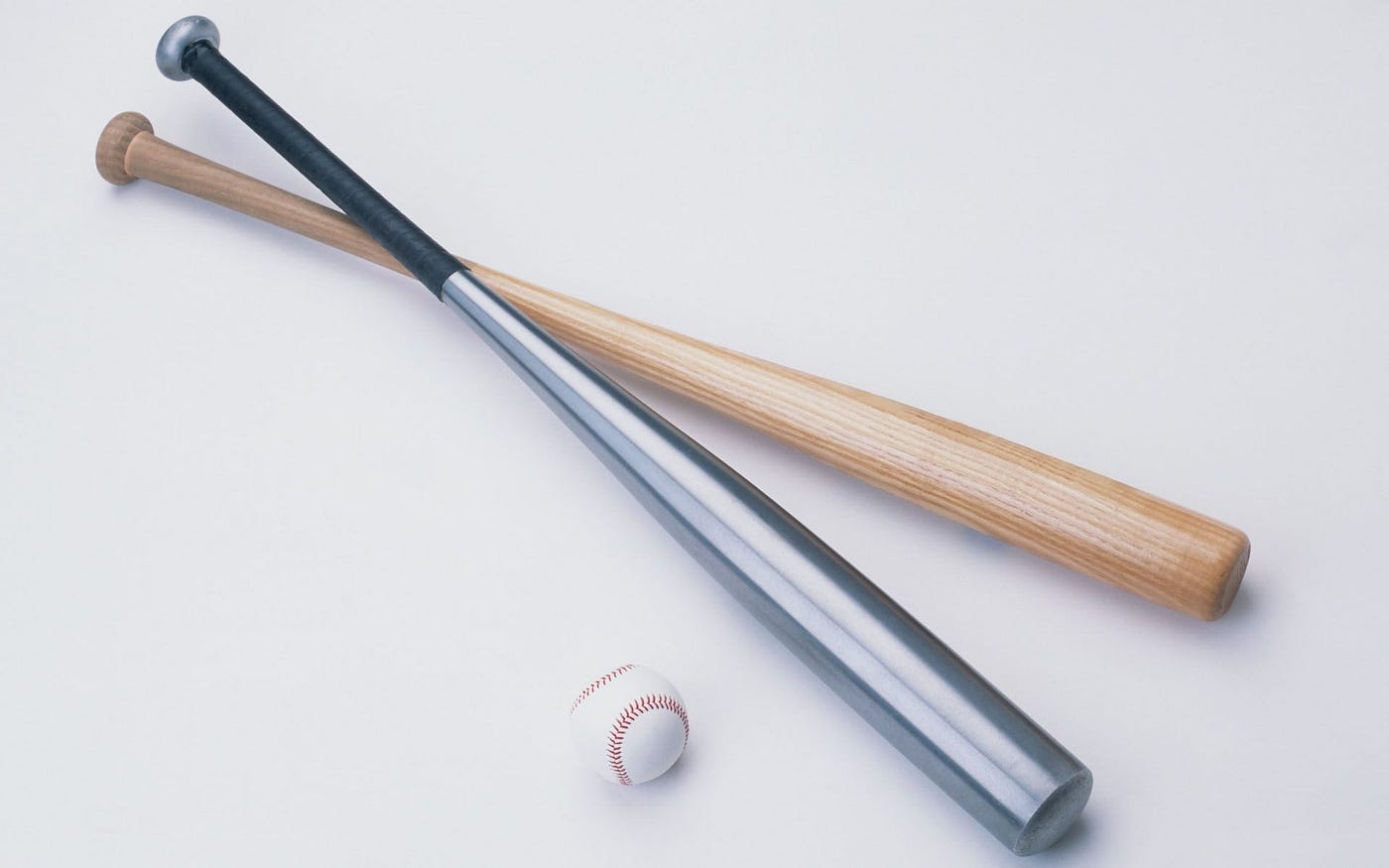
Wooden bats are less common in college baseball. They are mostly used in certain leagues and training sessions.
| Type of Wood | Common Usage |
| Maple | High durability |
| Ash | Flexibility |
| Birch | Combination of strength and flexibility |
Reasons For Choosing Non-wooden Bats
College baseball players often select non-wooden bats for many reasons. These bats offer benefits that help players improve their performance.
Non-wooden bats are popular because they provide advantages in power, durability, and cost. Players want bats that last longer and perform well.
Performance Advantages
Non-wooden bats, like aluminum or composite bats, can hit the ball farther. They have a larger sweet spot, which helps players make better contact.
These bats also reduce vibration when hitting the ball. This makes it more comfortable for players and can improve their swing.
- Lighter weight helps players swing faster
- Larger sweet spot means fewer missed hits
- Less vibration reduces hand discomfort
Durability And Cost Factors
Non-wooden bats last longer than wooden bats because they resist cracks and breaks. This makes them a good choice for college players who practice a lot.
While some non-wooden bats can be expensive upfront, they save money over time. Players do not need to replace them as often as wooden bats.
- Stronger materials resist damage
- Longer lifespan reduces replacement costs
- Good value for frequent use

Credit: batdigest.com
Instances Of Wooden Bat Use In College
College baseball mostly uses metal bats, but some leagues and tournaments require wooden bats. These events help players get used to professional standards.
Using wooden bats in college is limited but important for skill development and scouting. Let’s look at where and why wooden bats are used.
Wooden Bat Leagues And Tournaments
Some college summer leagues and special tournaments require wooden bats only. These leagues give players experience with the bats used in professional baseball.
- Cape Cod Baseball League: Uses wooden bats exclusively to prepare players for pro baseball.
- New England Collegiate Baseball League: A wooden bat summer league that attracts top college players.
- Alaska Baseball League: Known for wooden bat play and high-level college talent.
- Various college fall or winter invitationals often require wooden bats for all games.
Player Preferences And Practices
Players often train with wooden bats even if their college team uses metal bats. This helps them adapt to the weight and feel of wood.
| Practice Type | Purpose |
| Wooden Bat Drills | Improve swing mechanics and bat control |
| Weighted Bat Swings | Build strength for heavier wooden bats |
| Game Simulations | Prepare for wooden bat tournaments or pro tryouts |
Impact On Player Development
College baseball players often face choices about the bats they use. The type of bat affects how they develop their skills. Understanding these effects helps players prepare for their future in baseball.
Wooden bats have a strong role in shaping player abilities. They influence hitting power, timing, and control. This article explores their impact during key stages of a player’s career.
Transitioning To Professional Baseball
Professional baseball requires players to use wooden bats. College players who train with wood bats find the switch easier. Wooden bats have less sweet spot and less pop than metal bats.
- Players learn better bat control and precision.
- Wooden bats help improve hand-eye coordination.
- They prepare players for the feel of pro-level bats.
- Using wood reduces bad habits formed with metal bats.
Skill Improvement With Different Bats
Different bats teach different skills. Metal bats are lighter and allow faster swing speeds. Wooden bats require more strength and focus on technique. Both types offer unique benefits.
| Bat Type | Skill Developed | Benefit to Player |
| Wooden | Precision and control | Better timing and contact quality |
| Metal | Power and speed | Faster swings and stronger hits |
| Composite | Balance and feel | Adaptable to different playing styles |
Credit: skazone.medium.com
Future Trends In College Bat Usage
College baseball players currently use mostly metal bats. Wooden bats are less common but still used in some games and practices. The future might bring changes in bat rules and technology.
These changes could affect what bats players choose and how the sport is played at the college level. Let’s look at some possible rule changes and new technology.
Potential Rule Changes
College baseball leagues may change bat rules to improve safety and fairness. Wooden bats might become more common if metal bat rules get stricter.
- Limiting the size or weight of metal bats
- Requiring wooden bats in more tournaments
- Setting new standards for bat performance
- Encouraging the use of bats that mimic wood
Technological Innovations
New technology can change how bats are made. This may help players hit better and keep the sport safe.
| Innovation | Effect on Bats |
| Composite Materials | Stronger and lighter bats |
| Improved Wood Treatment | More durable wooden bats |
| Smart Sensors | Data on swing speed and impact |
| Eco-friendly Designs | Better for the environment |
Frequently Asked Questions
Do College Baseball Players Use Wooden Bats?
Most college players use aluminum bats due to NCAA rules. Wooden bats are allowed in some leagues but are less common in college baseball.
Why Are Aluminum Bats Preferred In College Baseball?
Aluminum bats are lighter and more durable. They allow players to hit faster and farther, enhancing offensive play in college games.
Are Wooden Bats Allowed In Ncaa Baseball Games?
NCAA rules primarily mandate aluminum bats. However, some tournaments and leagues permit wooden bats, especially in summer or showcase events.
How Do Wooden Bats Affect Player Performance?
Wooden bats offer less “pop” than aluminum. They require better hitting technique and provide realistic game experience, aiding skill development.
Conclusion
College baseball players mostly use metal bats in games. Wooden bats are rare in college play because metal bats offer more power. Some players practice with wooden bats to improve their skills. Wooden bats feel different and need better technique.
Knowing why players choose metal or wood helps fans understand the sport better. Watching college baseball is fun, no matter the bat type. Each bat type has its own role in baseball training and play.