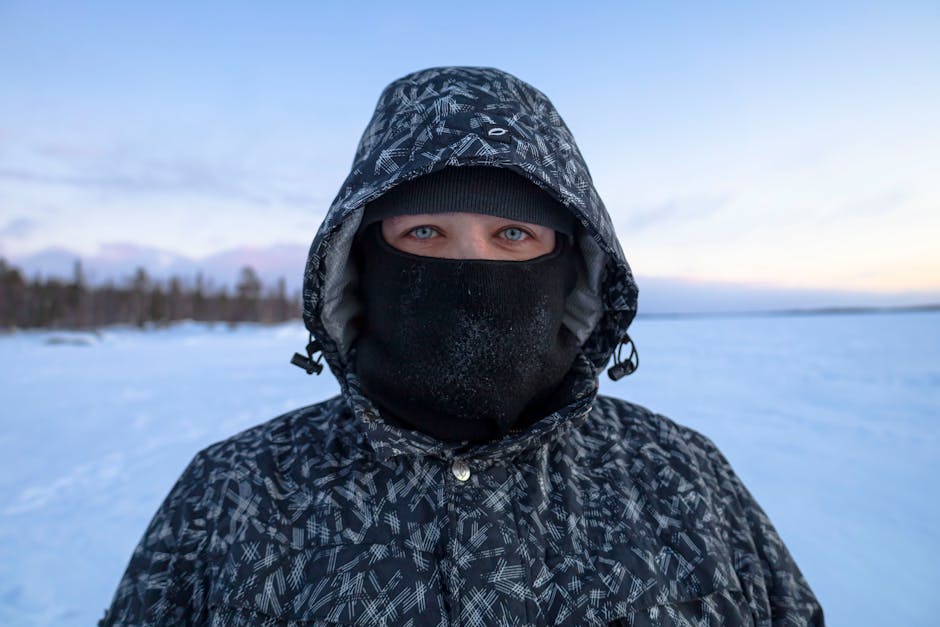
Have you ever wondered if your contact lenses can actually freeze when the temperature drops? You might be surprised to learn how cold weather affects your lenses and what that means for your comfort and eye health.
If you’ve faced red, irritated eyes or blurry vision on chilly days, understanding the impact of cold on your contacts is key. Keep reading, and you’ll discover simple tips to protect your eyes and keep your lenses comfortable, no matter how cold it gets outside.
How Contacts React To Cold
Contact lenses face unique challenges in cold weather. Understanding how cold affects lenses helps in caring for them properly. Cold temperatures can influence lens materials, flexibility, and comfort on the eyes.
Material Sensitivity To Temperature
Contact lenses are made from different materials like hydrogel or silicone hydrogel. These materials react differently to cold. Hydrogel lenses may become less flexible and more brittle. Silicone hydrogel lenses handle cold better but can still stiffen slightly. Extreme cold may cause tiny cracks or warping in some lenses.
Impact On Lens Flexibility
Cold weather reduces lens flexibility. Stiff lenses do not conform well to the eye’s surface. This can cause poor fit and lens movement. Rigid lenses become less comfortable and harder to insert. Warmer lenses are softer and adapt better to the eye’s shape.
Effects On Eye Comfort
Cold lenses can irritate the eyes. Stiff lenses may create discomfort or dryness. The eyes may water more to compensate for the cold. Wearing lenses in cold weather may increase the risk of redness or soreness. Proper lens care helps maintain comfort despite the cold.
Myths About Contacts Freezing
Many people believe that contact lenses can freeze in cold weather. This idea causes worry for those who wear contacts during winter. Several myths spread about how cold affects contact lenses. Understanding these myths helps users care for their lenses better and avoid unnecessary fears.
Common Misconceptions
- Contact lenses will freeze and stick to the eye in cold weather.
- Lenses become brittle and break easily when exposed to cold air.
- Cold temperatures damage the lens material permanently.
- Wearing contacts in winter causes eye dryness due to freezing.
These misconceptions often come from confusing cold weather effects on skin or other materials with how contacts behave.
Scientific Evidence Against Freezing
Contact lenses are made from water-containing hydrogel or silicone hydrogel. These materials do not freeze at typical outdoor temperatures because:
- The water content is too low to freeze quickly.
- Body temperature keeps lenses warm on the eye.
- Normal cold weather rarely reaches temperatures low enough to freeze lenses.
Studies show lenses remain flexible and safe during winter. Eye moisture and blinking also protect lenses from drying or freezing.
Risks Of Wearing Contacts In Cold Weather
Wearing contact lenses in cold weather carries some risks. The cold air and low humidity affect the eyes and lenses. Understanding these risks helps protect your eye health and comfort.
Dryness And Irritation
Cold weather often means dry air. This can cause your eyes to lose moisture quickly. Contacts may feel dry and uncomfortable. You might experience itching, burning, or redness. Dryness can make it hard to wear lenses all day. Using eye drops can help, but prevention is better.
Reduced Oxygen Flow
Contact lenses need oxygen to keep your eyes healthy. Cold weather can reduce oxygen reaching your eyes. Wearing lenses in cold air may worsen this effect. Less oxygen causes eye fatigue and redness. It increases the risk of infections and inflammation. Taking breaks from lenses can improve oxygen flow.
Potential For Lens Damage
Cold temperatures can affect the lens material. Contacts may become less flexible or brittle. This increases the chance of tearing or cracking. Handling lenses with cold, dry hands makes damage more likely. Proper storage and careful handling are important during winter. Damaged lenses can harm your eyes and cause discomfort.

Credit: www.lenstore.co.uk
Tips For Cold Weather Contact Lens Care
Cold weather can be tough on your contact lenses and your eyes. The chill in the air often leads to dryness and irritation, making lens care even more important. Paying close attention to how you store and wear your contacts during winter can help keep your eyes comfortable and healthy.
Proper Storage Practices
Always keep your contact lenses in a clean, dry case. Cold temperatures can cause the solution to become less effective, so avoid leaving your lens case in freezing places like outside or near windows.
Use fresh solution every time you store your lenses. If the solution feels cold, warm it slightly by holding the case in your hands before inserting your lenses. This small step can prevent discomfort and lens damage.
Keeping Eyes Moisturized
Cold air often dries out your eyes quickly. Using lubricating eye drops designed for contact lens wearers can restore moisture and reduce irritation.
Consider wearing a scarf or glasses to block wind and prevent your eyes from drying out. Have you noticed how your eyes feel after stepping out into the cold? Protecting them can make a big difference.
When To Avoid Wearing Contacts
If your eyes feel unusually dry, red, or irritated, it’s best to skip your contacts and switch to glasses. Don’t push through discomfort; your eyes need time to recover.
Avoid wearing contacts in extremely cold or windy conditions that cause excessive tearing or dryness. Listen to your eyes—they often tell you when it’s time to take a break.
Alternatives For Winter Eye Protection
Winter can be tough on your eyes, especially if you wear contact lenses. Cold air, wind, and dry indoor heat can cause discomfort and dryness, making contacts feel less comfortable or even risky to wear. Luckily, there are smart alternatives to protect your eyes and maintain clear vision throughout the chilly months.
Switching To Glasses
Glasses provide a simple and effective way to shield your eyes from cold air and wind. Unlike contacts, glasses create a physical barrier that helps retain moisture and reduce irritation caused by winter dryness.
Think about how your glasses can block some of the harsh winter elements. Plus, you can choose lenses with anti-fog and anti-reflective coatings to keep your vision clear in cold weather. Have you ever noticed how stepping outside with glasses feels less harsh than with contacts on a freezing day?
Using Protective Eyewear
Protective eyewear, such as wraparound sunglasses or snow goggles, offers an extra layer of defense. They shield your eyes not only from cold but also from UV rays and glare reflecting off snow.
These options are especially useful if you spend time outdoors skiing, hiking, or commuting. Look for eyewear with vents to prevent fogging and ensure comfort. How often do you consider the impact of wind chill on your eyes before heading out?
Consulting Eye Care Professionals
Your eye doctor can recommend the best winter eye care tailored to your needs. They might suggest switching to daily disposable lenses, which reduce the risk of dryness and irritation.
Additionally, they can prescribe lubricating drops suitable for contact lens wearers or recommend specialized lenses designed for dry environments. Have you scheduled your winter eye exam yet to discuss these options?

Credit: visionpros.com

Credit: eyecandys.com
Frequently Asked Questions
Do Contact Lenses Freeze In Cold Weather?
Contact lenses do not freeze easily because they contain water and are kept close to the eye’s warm surface. However, extreme cold might make lenses uncomfortable or cause dryness, but actual freezing is rare.
Can Cold Weather Damage Contact Lenses?
Cold weather itself rarely damages contact lenses. However, exposure to freezing temperatures outside their case may affect lens moisture and comfort. Always store lenses in recommended conditions to avoid damage.
How To Protect Contacts From Cold Weather?
To protect contacts, keep lenses moist with rewetting drops and avoid exposing them to direct cold wind. Wearing sunglasses can also shield your eyes from cold air and reduce dryness.
Does Cold Air Cause Contact Lens Dryness?
Yes, cold air often causes dryness by reducing moisture on lenses. Using lubricating eye drops and staying hydrated helps maintain comfort during cold weather.
Conclusion
Contacts typically don’t freeze in cold weather. They stay flexible and safe. Keeping them moist helps. Use contact lens solution regularly. Protect eyes from extreme cold. Wear sunglasses or goggles outside. This prevents discomfort and dryness. Always store contacts properly.
Follow your optometrist’s advice for care. Comfort is important for eye health. Remember these tips. They ensure safe contact lens use. Stay informed and protect your eyes.