Have you ever wondered if cop cars have cameras watching everything around them? You’re not alone.
Whether you’re curious about your privacy or want to know how police gather evidence, understanding what’s inside those patrol vehicles can change how you see law enforcement. You’ll discover the truth about police car cameras—how they work, why they matter, and what that means for you every time you’re on the road.
Keep reading, because what you learn here could surprise you.
Credit: www.aclu.org
Cop Car Surveillance Tech
Police cars often have cameras to help record events. These cameras provide clear evidence during traffic stops and emergencies.
The technology in cop cars helps officers stay safe. It also improves transparency and accountability on the road.
Types Of Cameras Used
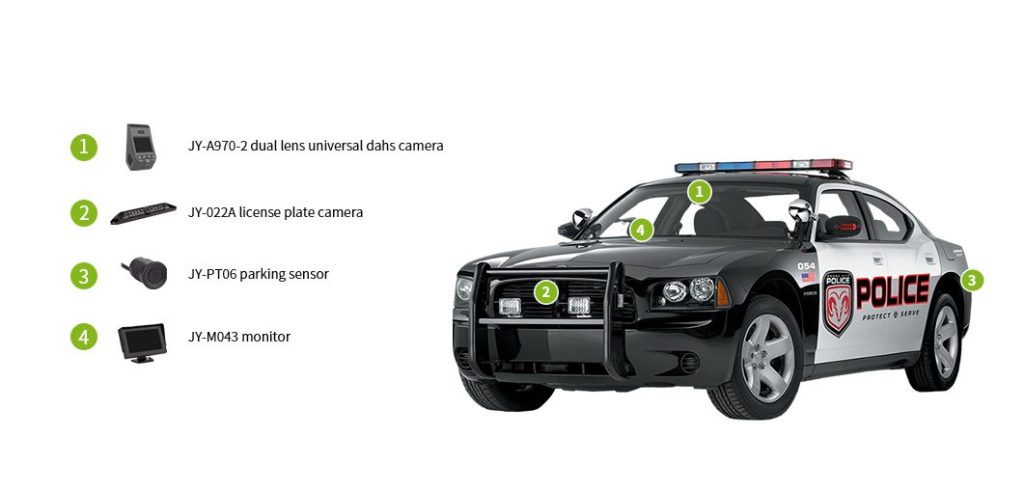
Cop cars use several camera types to capture video. Dash cameras record the road ahead during driving.
Body cameras may connect to the car system. Rear cameras record what happens behind the vehicle.
- Dash cameras capture front view footage
- Body cameras link with car systems
- Rear cameras record behind the car
- Infrared cameras help in low light
Placement Of Cameras
Cameras are placed to get clear views of incidents. Dash cams sit near the windshield to film the road.
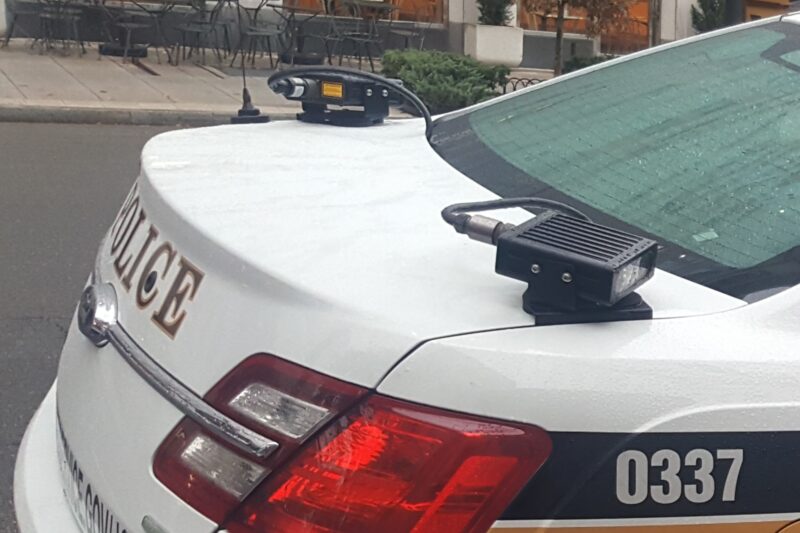
Rear cameras mount on the back to watch traffic behind. Some cameras focus on the car’s interior to monitor occupants.
- Dash cams near the windshield
- Rear cams on the back of the car
- Interior cams inside the vehicle
- Side cams on the car’s corners
Audio Recording Features
Many cop car cameras also record audio. They capture conversations during stops or emergencies.
Audio helps provide context to video footage. Some systems can turn on microphones automatically when lights flash.
- Record officer and civilian voices
- Trigger audio recording with sirens or lights
- Store audio with video footage
- Improve evidence with sound details
Purpose Of Cameras In Cop Cars
Many police cars have cameras installed. These cameras serve several important purposes. They help improve safety and trust between officers and the public.
Cameras in cop cars record events during police work. This helps provide clear evidence and supports fair law enforcement.
Evidence Collection
Cop car cameras record video and audio during traffic stops and other incidents. This footage can be used in court to prove what happened. It helps officers gather facts quickly and accurately.
- Record traffic stops and arrests
- Capture interactions with suspects and witnesses
- Provide proof in legal cases
- Help solve crimes with clear visual evidence
Officer Accountability
Cameras promote honesty and responsibility among police officers. They show how officers behave during calls and arrests. This helps protect both the public and officers from false claims.
| Benefit | Description |
| Transparency | Records officer actions clearly |
| Protection | Guards officers against false accusations |
| Training | Helps improve officer skills and behavior |
| Trust | Builds confidence with the community |
Public Safety Benefits
Cameras in police cars help keep the public safe. They discourage bad behavior by both officers and citizens. Knowing they are recorded makes people act more carefully.
Here are some ways cop car cameras improve safety:
- Reduce use of excessive force
- Encourage peaceful interactions
- Provide quick evidence after emergencies
- Help officers respond better to threats
Privacy Concerns And Regulations
Many police cars have cameras to record their actions and traffic stops. These cameras raise privacy questions for the public.
It is important to understand the rules that control how these cameras are used and how the data is handled.
Legal Restrictions
There are laws that limit how police can use dash cams and body cams. These laws protect people’s privacy rights.
Rules vary by state and country, but many require police to inform people when they are recording.
- Police must follow local privacy laws
- Recording without consent may be illegal
- Some places limit video use in private areas
Data Storage And Access
Video from police cameras is stored on secure servers. How long the data is kept depends on laws and policies.
Access to these videos is often limited to law enforcement and legal authorities to protect privacy.
- Data must be stored safely to prevent leaks
- Only authorized people can view recordings
- Some videos can be requested by the public
Impact On Civil Liberties
Police cameras can help improve safety and accountability. But they can also affect personal freedoms.
There is a risk of over-surveillance and misuse of recorded footage against citizens.
- Continuous recording may invade privacy
- Footage could be used unfairly in legal cases
- Clear rules help balance safety and rights
Differences Across Departments
Many police departments use cameras in their cop cars. These cameras help record traffic stops and other events. But not all departments use the same type of cameras or have them in every vehicle.
The use of cameras in cop cars varies a lot. This depends on where the department is, their budget, and their policies.
Variations By Region
Police departments in different regions use cameras differently. Some places have cameras in almost all cop cars. Others have few or none. This depends on local laws and community needs.
Urban areas often have more cameras than rural areas. Cities may face more traffic and crime, so cameras help officers and citizens. Rural departments may not have as many due to less traffic and fewer resources.
- Large cities usually have more camera-equipped cars
- Suburban areas have moderate camera use
- Rural areas may have few or no cameras
Budget And Technology Access
Budget plays a big role in whether a department can buy cameras. New technology costs money. Departments with bigger budgets get better and more cameras.
Some departments use older cameras because they cannot afford new ones. Others invest in high-quality systems with live streaming and GPS. The budget also affects how many cars get cameras.
- High budgets allow advanced cameras
- Smaller budgets limit camera use
- Technology upgrades depend on available funds
Policy Differences
Police departments have different rules about using cameras. Some require cameras to be on during all stops. Others let officers decide when to turn them on.
Policies also decide how long footage is kept. Some keep videos for years. Others delete them after a short time. These rules affect how cameras are used and trusted by the public.
- Some departments mandate always-on cameras
- Others give officers control over use
- Video storage times vary by policy
Future Of In-car Police Cameras
Police cars have cameras to record traffic stops and incidents. These cameras help keep officers and the public safe.
The future will bring better and smarter in-car cameras. They will improve how police gather and use video evidence.
Advancements In Technology
New cameras will have higher video quality and better night vision. They will capture clearer images in all conditions.
Some cameras will use artificial intelligence to detect important events. This helps officers focus on critical moments without watching all footage.
- 4K video resolution for clear details
- Infrared and low-light recording
- AI to flag unusual activities automatically
Integration With Other Systems
Future cameras will connect with police databases and dispatch systems. This allows real-time sharing of video and data.
Integration with GPS and vehicle sensors will add context to videos. It will show location and speed during events.
- Live video streaming to control centers
- Automatic syncing with body cameras
- Linking footage with GPS and car data
Potential Challenges
Privacy concerns may rise as cameras record more data. Careful rules will be needed to protect personal information.
Technical issues like data storage and battery life could slow progress. Police departments must find ways to manage these problems.
- Balancing privacy with transparency
- Managing large amounts of video data
- Ensuring cameras work in all conditions

Credit: www.cbc.ca

Credit: luview.com
Frequently Asked Questions
Do All Cop Cars Have Cameras Installed?
Most cop cars are equipped with cameras for evidence and officer safety. However, not all vehicles have them. Availability varies by department and region. Cameras help record traffic stops and incidents clearly. They provide accountability for both officers and civilians during encounters.
What Types Of Cameras Are Used In Police Cars?
Police cars often use dash cameras and body cameras. Dash cameras capture the road and traffic stops. Body cameras record the officer’s interactions with the public. Some vehicles also have rear cameras for added security. These devices improve transparency and support investigations.
How Do Cop Car Cameras Benefit Law Enforcement?
Cop car cameras provide crucial video evidence in investigations. They protect officers against false claims and ensure proper conduct. Cameras improve transparency and build public trust. They also assist in training and reviewing police procedures effectively.
Can Cop Car Cameras Record Audio Too?
Yes, many cop car cameras record audio along with video. Audio recording captures conversations during stops and arrests. This feature enhances evidence quality and accountability. However, audio recording laws vary by state, so usage depends on local regulations.
Conclusion
Cop cars usually have cameras to help police do their job better. These cameras record traffic stops and incidents clearly. They provide proof and keep everyone safe. Drivers should know cameras are common in many police vehicles. This technology helps officers stay honest and protects the public.
So, cameras in cop cars play a big role in law enforcement today. They make roads safer for all of us.