
Are you struggling with sticky, humid air even when your air conditioner is running? You might wonder if a dehumidifier can make a real difference.
Understanding how these two devices work together could change the way you cool your home and save you money. Keep reading to discover how a dehumidifier can help your air conditioner run more efficiently and create a more comfortable space for you and your family.

Credit: www.nytimes.com
How Dehumidifiers Work
Dehumidifiers remove moisture from the air. They help keep indoor spaces dry and comfortable.
Lower humidity helps air conditioners work better. Dry air feels cooler and reduces strain on AC units.
Moisture Removal Process
Dehumidifiers pull moist air inside using a fan. The air passes over cold coils.
Water vapor in the air turns into liquid on the cold coils. The water collects in a tank or drains out.
Dry air then passes over warm coils and goes back into the room. This cycle lowers indoor humidity.
Types Of Dehumidifiers
There are different kinds of dehumidifiers. Each works best in certain conditions.
- Refrigerant Dehumidifiers:Use cold coils to condense moisture. Good for warm, humid spaces.
- Desiccant Dehumidifiers:Use a drying material to absorb moisture. Work well in cooler areas.
- Thermo-electric Dehumidifiers:Use a Peltier module to remove moisture. Best for small rooms.
Role Of Air Conditioners
Air conditioners cool indoor air to keep rooms comfortable. They remove heat from inside and release it outside.
Besides cooling, air conditioners also help control humidity. This makes the air less sticky and more pleasant.
Cooling And Humidity Control
Air conditioners lower the temperature by removing heat from the air. They also reduce moisture in the air.
The cooling coils inside the AC condense water from the air. This process lowers humidity and cools the room.
- Warm air passes over cold coils.
- Moisture in the air condenses into water droplets.
- Water drains away, reducing humidity.
- Dry, cool air circulates back into the room.
Energy Consumption Factors
Air conditioners use more energy when cooling humid air. Removing moisture takes extra power.
Using a dehumidifier can reduce the AC’s workload. This helps save energy and lowers electricity bills.
- High humidity makes AC work harder.
- Dehumidifiers remove moisture separately.
- AC cools air more efficiently with less moisture.
- Lower energy use means cost savings.
Dehumidifiers And Ac Efficiency
Dehumidifiers remove moisture from the air. This helps air conditioners work better. When air is less humid, ACs cool rooms faster.
Less humidity means the AC uses less energy. This can lower your electricity bills and keep your home comfortable.
Reducing Ac Workload
High humidity makes AC units run longer. The AC must remove moisture and cool the air. Dehumidifiers take away moisture first. This lets AC focus on cooling only.
- Dehumidifiers lower indoor moisture levels.
- AC units cool dry air faster.
- Less work for the AC means longer lifespan.
- Reduced wear and tear on AC parts.
Impact On Energy Bills
Using a dehumidifier can save energy. The AC uses less power to cool drier air. This reduces your monthly electricity costs.
| Factor | Effect on Energy Use |
| High Humidity | Increases AC energy consumption |
| Dehumidifier Use | Decreases AC energy consumption |
| Combined Use | Optimizes cooling and energy savings |

Credit: aircareconnect.com
When To Use A Dehumidifier With Ac
Air conditioners cool your home by removing heat. They also reduce some moisture in the air. But in very humid places, ACs may not remove enough moisture.
A dehumidifier helps by pulling extra moisture from the air. Using both can make your home more comfortable and protect it from mold and damage.
Ideal Humidity Levels
The best indoor humidity level is between 30% and 50%. This range feels comfortable and keeps your home safe.
If humidity is too low, air can feel dry and cause skin or throat irritation. Too high humidity makes the air feel sticky and can cause mold growth.
- Below 30%: Air feels dry and uncomfortable
- 30% to 50%: Ideal for comfort and health
- Above 50%: Risk of mold and dust mites
Signs Of High Indoor Humidity
High humidity inside your home can cause problems. Watch for these signs to know when to use a dehumidifier with your AC.
Many signs are easy to spot and can help prevent damage to your home and health issues.
- Condensation on windows or walls
- Musty or damp smells in rooms
- Visible mold or mildew spots
- Peeling paint or wallpaper
- Feeling sticky or clammy indoors
Choosing The Right Dehumidifier
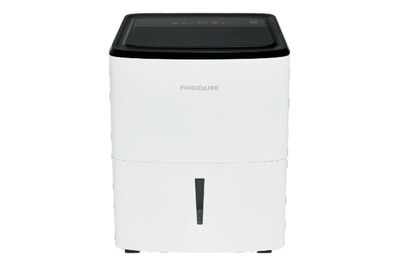
Dehumidifiers help air conditioners work better by removing excess moisture. Picking the right dehumidifier is important for comfort and energy savings.
Two main factors to consider are the capacity of the dehumidifier and its energy efficiency. These affect how well it works and your electricity bill.
Capacity Considerations
Capacity means how much water the dehumidifier can remove in one day. It is usually measured in pints per 24 hours.
- Small rooms may need a 20-30 pint unit
- Medium rooms often need 30-50 pint units
- Large or very damp areas may require 50-70 pint units
- Very large or wet spaces need over 70 pint units
Energy Efficiency Ratings
Energy efficiency shows how much power the dehumidifier uses to remove moisture. Efficient models save money and reduce energy waste.
| Rating Type | What It Means | Why It Matters |
| Energy Star | Meets strict efficiency rules | Lower electricity bills |
| CEC (California Energy Commission) | Tests efficiency in real use | Better for long-term savings |
| EER (Energy Efficiency Ratio) | Ratio of moisture removed to power used | Higher is more efficient |
Credit: www.nytimes.com
Maintenance Tips For Better Performance
Dehumidifiers work well with air conditioners to keep your home comfortable. Proper maintenance helps both devices run smoothly. Simple care steps can improve their performance and save energy.
Regular upkeep prevents damage and extends the life of your machines. Follow these tips to keep your dehumidifier and air conditioner in good shape.
Cleaning And Filter Care
Clean filters help your dehumidifier and air conditioner work better. Dirty filters block airflow and reduce efficiency. Check filters often and clean or replace them as needed.
Remove dust and debris from the units regularly. This keeps the air flowing and stops parts from wearing out too fast.
- Take out filters and wash them with water
- Let filters dry completely before putting them back
- Use a soft cloth to clean the unit’s exterior
- Clean coils gently to avoid damage
Regular System Checks
Check both systems regularly to catch problems early. Look for leaks, strange noises, or unusual smells. Fix small issues before they get worse.
Inspect water tanks and drainage in your dehumidifier. Make sure the air conditioner’s vents are clear and not blocked. These checks keep your machines running well.
- Check for water leaks around the dehumidifier
- Listen for loud or unusual sounds from either unit
- Ensure air vents are clean and open
- Test the thermostat and controls for proper function
Cost-benefit Analysis
Dehumidifiers can affect how air conditioners work. They remove moisture from the air. This may help air conditioners cool rooms better.
This analysis looks at the costs and benefits of using dehumidifiers with air conditioners.
Initial Investment Vs Savings
Buying a dehumidifier costs money upfront. Prices vary based on size and features. Air conditioner energy costs may go down with less humidity.
Less humidity helps the air conditioner work less hard. This can save money on electric bills over time.
- Dehumidifier price ranges from $150 to $400
- Energy savings depend on home size and climate
- Lower humidity can reduce air conditioner runtime
- Energy savings may offset initial cost in months or years
Long-term Comfort And Health Benefits
Dehumidifiers improve indoor air quality. Lower humidity stops mold and dust mites. This helps reduce allergies and respiratory problems.
Comfort increases as the air feels cooler and less sticky. This supports a healthier home environment for a longer time.
- Reduced mold growth protects walls and furniture
- Lower dust mite levels improve allergy symptoms
- Air feels fresher and more comfortable
- Supports overall home health and wellbeing
Frequently Asked Questions
Do Dehumidifiers Improve Air Conditioner Efficiency?
Yes, dehumidifiers reduce indoor humidity, easing the air conditioner’s workload. This allows the AC to cool more effectively and use less energy, improving overall efficiency.
Can A Dehumidifier Lower Ac Energy Bills?
Using a dehumidifier can lower AC energy bills by reducing moisture. When humidity is controlled, the AC doesn’t work as hard, leading to energy savings and lower costs.
How Do Dehumidifiers Affect Indoor Air Quality?
Dehumidifiers improve indoor air quality by removing excess moisture. This helps prevent mold, mildew, and dust mites, creating a healthier and more comfortable living environment.
Should I Use A Dehumidifier With My Air Conditioner?
Yes, pairing a dehumidifier with your air conditioner enhances comfort. It controls humidity levels, making cooling more effective and maintaining balanced indoor air conditions.
Conclusion
Dehumidifiers can boost air conditioner efficiency. They reduce excess moisture, making rooms comfortable. This helps air conditioners work less, saving energy. A cooler, drier home feels better. Less humidity means less strain on your AC. This can extend its lifespan.
You may notice lower energy bills, too. Consider using a dehumidifier for better indoor air quality. It’s a simple solution. Combines well with your air conditioner. Perfect for muggy days. Keep your home cozy and fresh.