Winter is fast approaching, and with it comes the worry of frozen pipes. You may be wondering, “Do drain pipes freeze?”
It’s a common concern, especially if you live in a region where temperatures drop dramatically. Frozen pipes can lead to costly repairs and a whole lot of hassle. But don’t worry—understanding how and why your drain pipes might freeze can save you time and money.
We’ll dive into the reasons behind frozen pipes and share practical tips to prevent them. By the end, you’ll feel confident about protecting your home from winter’s icy grip. So, if you want to keep your plumbing in top shape and avoid unnecessary stress this winter, keep reading!
Why Drain Pipes Freeze
Drain pipes freeze when water inside them turns to ice. This happens in cold weather. Frozen pipes can block water flow and cause damage. Understanding why pipes freeze helps prevent problems at home.
How Cold Affects Pipes
Cold air makes pipe water temperature drop. Water expands as it freezes. This expansion puts pressure on pipes. Pipes can crack or burst from ice buildup. Pipes in cold areas face the highest risk.
Common Freeze Points
Pipes near outside walls freeze easily. Pipes in unheated spaces like basements or attics also freeze. Places with poor insulation are vulnerable. Outdoor faucets and hose bibs are common freeze points.
Signs Of Frozen Pipes
- Water flow slows or stops completely.
- Frost or ice appears on pipe surfaces.
- Strange noises like banging or clanking inside walls.
- Unusually cold spots on walls or floors near pipes.

Credit: www.pmmag.com
Risks Of Frozen Drain Pipes
Frozen drain pipes pose serious risks that go beyond just a temporary inconvenience. When water inside pipes freezes, it expands and creates pressure that can lead to significant damage. Understanding these risks helps you act quickly and protect your home from costly repairs and health issues.
Pipe Bursting And Leaks
When water freezes inside your drain pipes, it expands by about 9%. This expansion increases pressure on the pipe walls, often causing them to crack or burst. Once the ice thaws, leaks appear, sometimes hidden behind walls or under floors, making detection difficult.
Have you ever noticed water stains or unexplained damp spots after a cold snap? This might be the result of a small crack caused by frozen pipes. Ignoring these signs can turn a minor leak into a major problem overnight.
Water Damage Costs
Leaks from frozen pipes can lead to extensive water damage in your home. Flooring, drywall, insulation, and personal belongings are at risk of being ruined. Repairs quickly add up, with average water damage restoration costing thousands of dollars.
Think about the last time you faced an emergency repair bill. Wouldn’t it be better to invest a little time in preventing frozen pipes? Simple steps like insulating pipes or letting faucets drip can save you from these hefty costs.
Health Hazards From Mold
Persistent leaks from frozen pipes create damp environments that encourage mold growth. Mold spores can spread quickly, affecting your indoor air quality and leading to respiratory issues. This is especially dangerous for children, elderly people, or anyone with allergies.
Have you noticed a musty smell after a pipe leak? That’s a warning sign your home might be developing mold. Addressing frozen pipe risks isn’t just about protecting your property—it’s about safeguarding your family’s health.
Preventing Pipe Freezing
Preventing pipe freezing is essential to avoid costly repairs and water damage. Frozen pipes can burst, leading to leaks and disruptions. Taking simple steps can protect your drain pipes during cold weather.
Insulating Drain Pipes
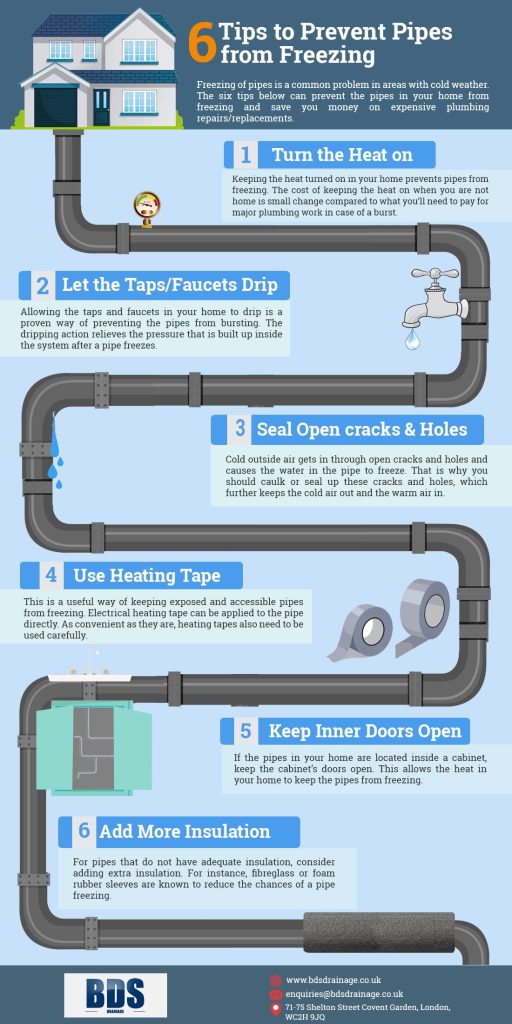
Insulation keeps pipes warm by trapping heat. Use foam pipe sleeves or fiberglass wrap around exposed drain pipes. Focus on pipes in unheated areas like basements or crawl spaces. Proper insulation reduces the risk of freezing and helps maintain water flow.
Maintaining Proper Heating
Keep your home warm, especially near pipes. Set the thermostat to a consistent temperature, even during the night. Open cabinet doors under sinks to allow warm air to reach pipes. This helps prevent cold spots where pipes might freeze.
Sealing Gaps And Cracks
Seal openings around pipes where cold air can enter. Use caulk or foam sealant for gaps in walls, floors, and foundations. Check areas where pipes run through exterior walls. Blocking cold drafts helps maintain pipe temperature and stops freezing.
Emergency Steps For Frozen Pipes
Frozen drain pipes can cause serious problems fast. Acting quickly helps prevent bursts and water damage. Knowing what to do during this emergency keeps your home safe.
Identifying Frozen Sections
Look for pipes that feel very cold or frosty. Check areas near windows, outside walls, or basements. Notice if water flow slows or stops in taps. Listen for strange sounds like gurgling or banging. These signs point to frozen pipe spots.
Safe Thawing Techniques
Use a hairdryer or heat lamp to warm frozen pipes gently. Start close to the faucet and move toward the frozen area. Wrap pipes with warm towels soaked in hot water. Avoid open flames or high heat that can damage pipes. Keep the faucet open to let water flow as ice melts.
When To Call A Plumber
Call a plumber if pipes burst or leak. If you cannot find the frozen section, get professional help. Plumbers have tools to thaw pipes safely and repair damage. Early help reduces repair costs and prevents bigger problems.
Long-term Pipe Protection
Protecting your drain pipes from freezing is essential for long-term home care. Frozen pipes can cause bursts, leaks, and costly repairs. Taking steps to safeguard pipes ensures a steady water flow during cold months. It also extends the life of your plumbing system.
Upgrading Pipe Materials
Using modern pipe materials reduces the risk of freezing. Plastic pipes like PEX offer better flexibility and insulation than metal. Copper pipes conduct cold more easily, making them prone to freezing. Replacing old pipes with newer materials helps maintain warmth inside. This change can prevent cracking and bursting during winter.
Installing Heat Tape
Heat tape wraps around pipes to keep them warm. It uses a low electrical current to generate heat. This prevents ice from forming inside the pipe. Heat tape is easy to install on exposed pipes. It is a reliable way to avoid frozen pipes in cold areas.
Regular Maintenance Tips
- Check pipes for cracks and leaks before winter.
- Insulate pipes in unheated spaces like basements and attics.
- Seal gaps near pipes to block cold air.
- Keep cabinet doors open to let warm air circulate.
- Drain outdoor hoses and shut off exterior faucets.
Routine checks and simple fixes protect pipes and prevent freezing. These small efforts save time and money on repairs.

Credit: www.advancedplumbing.ca

Credit: medium.com
Frequently Asked Questions
Can Drain Pipes Freeze In Cold Weather?
Yes, drain pipes can freeze when temperatures drop below freezing. Water inside the pipes expands as it freezes, causing blockages or pipe damage.
What Causes Drain Pipes To Freeze?
Drain pipes freeze due to exposure to cold temperatures, poor insulation, and slow water flow. Pipes in unheated areas are most vulnerable.
How To Prevent Drain Pipes From Freezing?
Insulate pipes, keep water flowing slowly, and seal leaks. Maintain indoor temperature above freezing to prevent pipe freeze.
What Happens If A Drain Pipe Freezes?
Frozen pipes can burst, leading to leaks and water damage. Blocked drains can cause backups and plumbing issues.
Conclusion
Drain pipes can freeze in cold weather, causing serious problems. Protect your pipes by keeping them warm and insulated. Let faucets drip slightly to prevent freezing inside pipes. Know the signs of frozen pipes to act quickly. Taking simple steps helps avoid costly repairs later.
Stay safe and keep your plumbing working smoothly all winter. Don’t wait for trouble—prepare your pipes before the cold hits. Simple care makes a big difference.