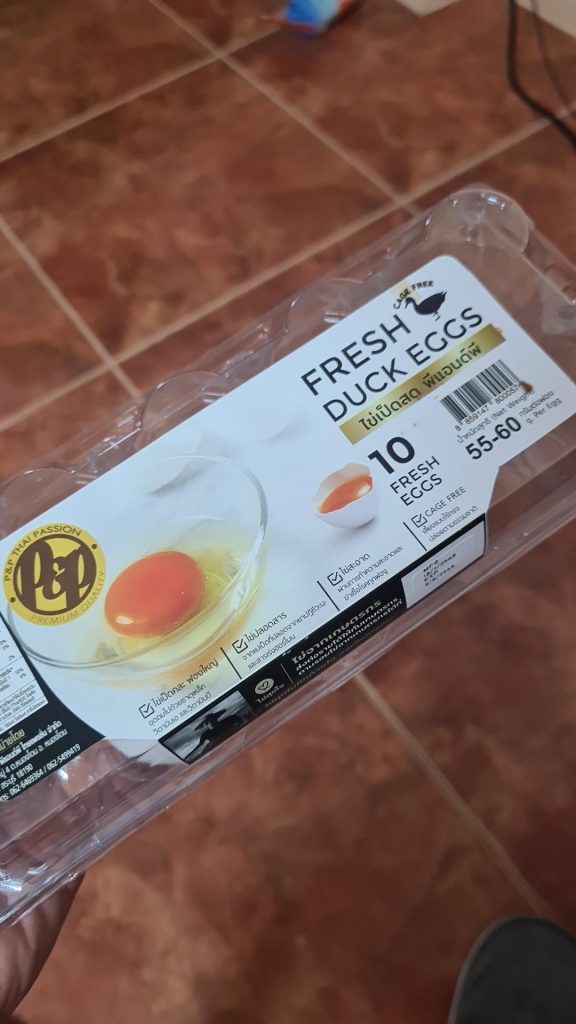
Are you wondering if duck eggs need to be refrigerated like chicken eggs? If you’ve ever bought or collected duck eggs, you might be unsure about the best way to store them.
How you keep your eggs can affect their freshness, taste, and safety. You’ll discover simple, clear answers to help you handle duck eggs the right way. Keep reading to find out what you need to know to keep your eggs fresh and delicious every time.
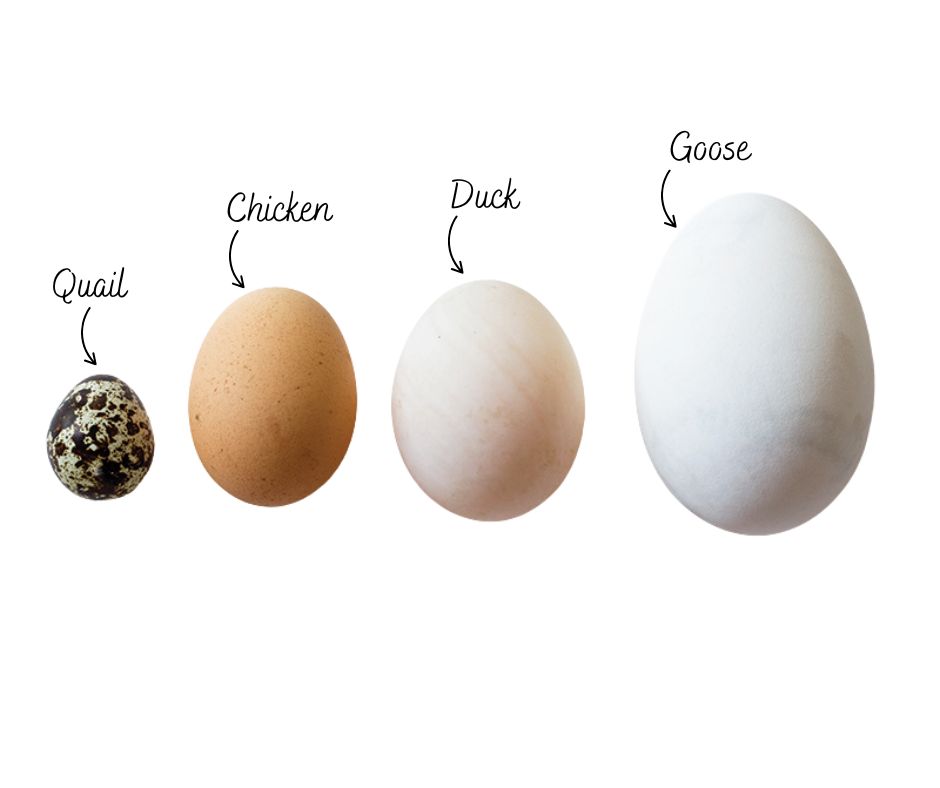
Credit: www.hobbyfarms.com
Duck Egg Characteristics
Understanding the unique characteristics of duck eggs can help you decide how to store them properly. Duck eggs differ quite a bit from chicken eggs, both in appearance and natural preservation qualities. These differences play a big role in whether or not you need to refrigerate them.
Shell Differences
Duck eggs have thicker shells compared to chicken eggs. This extra thickness makes them more durable and less prone to cracking during handling or transport.
You might notice their shells are also slightly rougher and come in various shades—from white to blue or green. This natural variation doesn’t affect quality but does signal a stronger protective layer.
Natural Coating
One of the reasons duck eggs can sometimes be stored without refrigeration is their natural coating, called the “bloom” or cuticle. This coating seals the shell’s pores, helping to keep bacteria out and moisture in.
Unlike many store-bought chicken eggs, which are washed and lose this protective layer, duck eggs often retain their bloom if handled carefully. Have you ever bought farm-fresh duck eggs that felt slightly waxy? That’s the bloom protecting them.
Shelf Life Without Refrigeration
Thanks to their thick shells and natural coating, duck eggs can last longer at room temperature than chicken eggs. Typically, they stay fresh for about two weeks without refrigeration if kept in a cool, dry place.
However, this depends heavily on how fresh the eggs were when collected and the environment’s temperature. If your kitchen is warm or humid, it’s safer to refrigerate them to prevent spoilage.
When To Refrigerate Duck Eggs
Knowing when to refrigerate duck eggs helps keep them fresh and safe. Duck eggs have a natural coating called the bloom. This coating protects the egg from bacteria and moisture loss. Proper handling affects how long duck eggs stay good without refrigeration.
After Washing
Washing duck eggs removes the protective bloom. Without this coating, eggs become vulnerable to bacteria. Store washed duck eggs in the refrigerator right away. Keep them in a clean container to prevent contamination.
Warm Climates
Warm weather speeds up egg spoilage. High temperatures break down the bloom faster. In warm climates, refrigerate duck eggs soon after collecting. This slows bacterial growth and keeps eggs fresh longer.
Long-term Storage
For storing duck eggs more than two weeks, refrigeration is best. Cold temperatures slow down aging and spoilage. Use an egg carton to avoid cracks. Keep the eggs in the main fridge area, not the door.
Proper Storage Methods
Duck eggs last longer when kept in a cool, dry place. Refrigeration helps maintain freshness and prevents spoilage. Store them with the pointed end down to keep the yolk centered.
Proper storage of duck eggs is essential for maintaining freshness and safety. Duck eggs, like chicken eggs, need the right conditions to last longer. Understanding these methods ensures your eggs remain tasty and healthy.Ideal Temperature
Store duck eggs at a consistent temperature. Aim for a range between 35°F and 40°F. This temperature helps prevent bacterial growth. Avoid placing eggs in warm areas, like near windows.Humidity Control
Maintain proper humidity levels around 70-80%. This prevents the eggs from drying out. Use a hygrometer to monitor humidity levels in your storage area. If necessary, adjust humidity with damp cloths or water containers.Storage Containers
Choose the right containers for storing duck eggs. Egg cartons provide good protection and limit movement. Store eggs with the pointed end down to keep yolks centered. This position helps maintain egg quality over time.
Credit: www.eatthis.com
Signs Of Spoilage
Knowing the signs of spoilage is crucial if you’re unsure whether your duck eggs are still safe to eat. Spoiled eggs can lead to foodborne illnesses, so it’s important to check them carefully before use. Below are simple ways you can assess your duck eggs at home.
Visual Inspection
Start by looking closely at the eggshell. Check for cracks, slimy residue, or powdery spots, which may indicate mold or bacterial growth. A clean, intact shell usually means the egg is still good.
Inside, look for any unusual discoloration or spots once cracked open. A cloudy egg white or pinkish yolk can be a red flag. Always trust what you see over assumptions.
Smell Test
Give the egg a sniff right after cracking it open. Fresh eggs have a neutral scent, while spoiled ones emit a strong, sulfur-like odor. If you notice any foul smell, discard the egg immediately.
This test is quick and effective because smell changes drastically when eggs go bad. Have you ever been surprised by an egg’s smell? It’s a reliable warning sign not to ignore.
Float Test
Place the egg gently in a bowl of water. Fresh eggs usually sink and lay flat on the bottom. If an egg stands upright or floats, it means air has built up inside, signaling spoilage.
This simple test can save you from eating bad eggs, especially if you aren’t sure how long they’ve been stored. Why take the risk when a quick float test can give you peace of mind?
Comparing Duck Eggs And Chicken Eggs
Duck eggs and chicken eggs often get compared, especially when deciding how to store them or what to expect from their taste and nutrition. Understanding the differences between the two can help you make better choices in your kitchen and know exactly how to handle each type. Let’s break down their storage needs, flavor and texture, and nutritional differences so you can get the most from these eggs.
Storage Needs
Duck eggs have a thicker shell and a coating called the bloom, which helps keep them fresh longer without refrigeration. If you collect fresh duck eggs, you might notice they stay good at room temperature for up to two weeks, unlike chicken eggs which usually need to be refrigerated after a few days. However, once washed, duck eggs lose their protective coating and should be refrigerated to prevent spoilage.
Chicken eggs, especially those sold in supermarkets, are often washed and sanitized, removing their natural barrier. This makes refrigeration a must to keep them safe and fresh. So, depending on how the eggs are treated and stored, you might handle duck and chicken eggs differently in your kitchen.
Flavor And Texture
Have you ever noticed duck eggs taste richer and creamier compared to chicken eggs? This difference comes from their higher fat content and larger yolks, which many people prefer for baking or making custards. The texture of duck eggs is also denser, giving dishes a more substantial feel.
Chicken eggs have a lighter, more neutral taste, which is why they’re often used when you want the egg flavor to stay in the background. If you enjoy experimenting in the kitchen, try swapping chicken eggs for duck eggs in recipes that benefit from a richer flavor, like quiches or fluffy omelets.
Nutritional Differences
Duck eggs pack more protein, vitamins, and minerals than chicken eggs, making them a nutrient powerhouse. They contain higher levels of omega-3 fatty acids and vitamin B12, which support brain health and energy levels. If you’re looking to boost your intake of these nutrients, duck eggs can be a smart addition to your diet.
On the other hand, chicken eggs have fewer calories and fat, which might suit those watching their intake. The choice between the two depends on your nutritional goals and taste preferences—do you want a nutrient boost or a lighter option?

Credit: www.backyardchickens.com
Tips For Buying And Handling
Handling duck eggs properly starts the moment you decide to buy them. Your choices at the market and how you treat the eggs afterward can affect their freshness and safety. Paying attention to small details can make a big difference in how long your duck eggs last and how delicious they taste.
Selecting Fresh Eggs
Look for eggs with clean, uncracked shells. Avoid eggs with any powdery or sticky residue, which might indicate poor storage or contamination.
Check the packaging date or ask the seller about when the eggs were collected. Fresher eggs mean better flavor and longer shelf life.
If possible, gently shake the egg near your ear. A fresh egg won’t make a sloshing sound because the yolk and white are still firm inside.
Transporting Safely
Use a sturdy egg carton to protect your eggs during the trip home. Avoid placing heavy items on top that could crack the shells.
Keep the eggs cool, especially on warm days. A small cooler bag can prevent them from heating up and spoiling.
Think about the time and distance from the store to your home. The quicker you get them refrigerated (if needed), the better their quality will be.
Washing Guidelines
Many recommend not washing eggs before storage because washing can remove the protective bloom that keeps bacteria out.
If you must wash, use warm water and do it right before cooking. Cold water can cause bacteria to enter through the shell.
Dry the eggs thoroughly after washing and store them immediately in the fridge or a cool place. This minimizes the risk of contamination and extends freshness.
Frequently Asked Questions
Do Duck Eggs Need Refrigeration Immediately?
Duck eggs can be stored at room temperature for about two weeks. Refrigeration is recommended after this period to maintain freshness and prevent spoilage.
How Does Refrigeration Affect Duck Egg Freshness?
Refrigeration slows down bacterial growth and keeps duck eggs fresh longer. It preserves taste and texture better compared to room temperature storage.
Can Unrefrigerated Duck Eggs Spoil Quickly?
Yes, unrefrigerated duck eggs spoil faster, especially in warm climates. Proper storage in a cool, dry place helps extend their shelf life.
Is It Safe To Eat Unrefrigerated Duck Eggs?
Eating unrefrigerated duck eggs is riskier due to potential bacterial contamination. Refrigeration reduces this risk and is safer for consumption.
Conclusion
Duck eggs last longer when stored in the fridge. Keeping them cool helps stop germs from growing. You can also store duck eggs at room temperature for a short time. Just make sure the eggs are clean and dry. Always check for cracks before using.
Proper storage keeps eggs fresh and safe to eat. Remember, fresh eggs taste better and cook well. Store duck eggs right to enjoy their unique flavor. Simple steps make a big difference in egg safety.