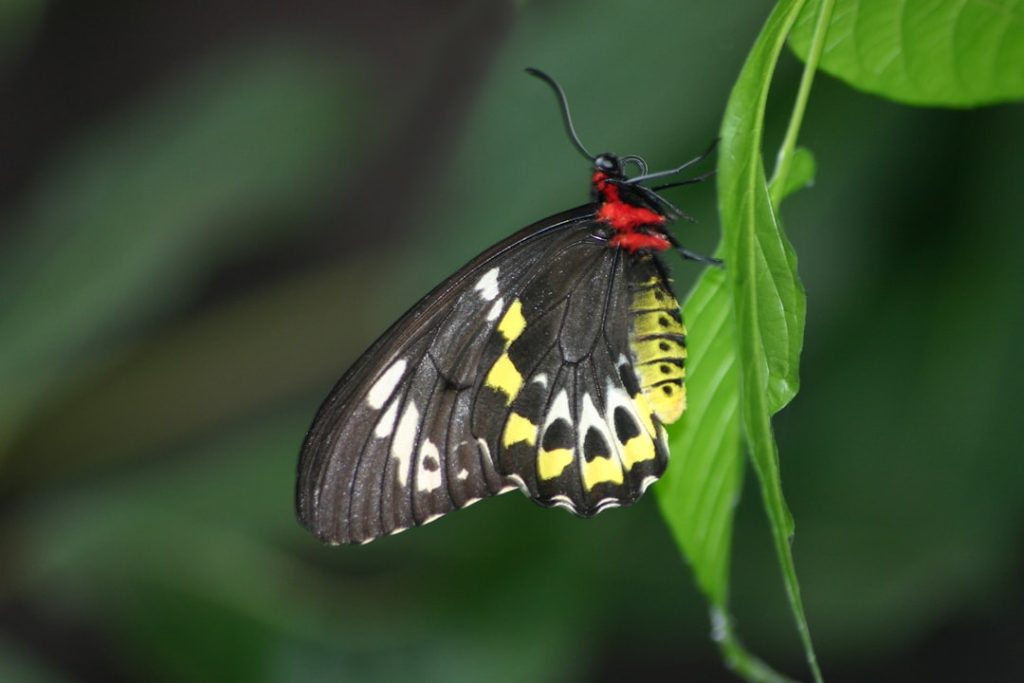
Have you ever spotted a cluster of Eastern Tent Caterpillars weaving their silky tents in your backyard? You might wonder what these fuzzy critters transform into as they grow.
Do they turn into the beautiful butterflies you see fluttering around during warm days? The answer might surprise you and change how you view these common garden dwellers. Understanding their life cycle not only satisfies your curiosity but can also help you manage your garden better.
Stick around to uncover the fascinating truth about Eastern Tent Caterpillars and their transformation journey. You’ll find out exactly what they become and how it impacts your natural surroundings.
Life Cycle Of Eastern Tent Caterpillars
Eastern tent caterpillars have a life cycle made up of four main stages. Each stage is different and important for their development.
Understanding these stages helps us learn how these insects grow and change throughout the year.
Egg Stage
Female eastern tent caterpillars lay eggs in late spring or early summer. They place them in masses around tree branches. The eggs stay protected inside a hard covering until they hatch the following spring.
Larval Stage
Once hatched, the caterpillars enter the larval stage. They start building silk tents in tree branches. These tents protect them from predators and weather. The caterpillars feed on leaves and grow quickly during this time.
- Hatch in early spring
- Create silk tents
- Feed on tree leaves
- Grow through several molts
- Stay in groups for safety
Pupal Stage
After the larval stage, the caterpillars stop eating and find a safe place to pupate. Inside a cocoon, they transform into pupae. This stage lasts about two weeks. The caterpillar changes its body to become an adult moth.
| Stage | Duration | Activity |
| Egg | Several months | Eggs stay on branches |
| Larva | 4-6 weeks | Feeding and growing |
| Pupa | About 2 weeks | Transformation inside cocoon |
| Adult | 1-2 weeks | Flying and mating |
Adult Stage
The adult eastern tent caterpillar is a moth. It has wings and can fly. Adults do not eat much. Their main purpose is to mate and lay eggs. After this, the life cycle starts again.
Differences Between Moths And Butterflies
People often confuse moths and butterflies. They look alike but have many differences.
This guide explains how moths and butterflies differ in their looks, behavior, and life cycle.
Physical Characteristics
Butterflies and moths have different body shapes and wing styles. Butterflies usually have thin bodies.
Moths often have thicker, furry bodies. Their wings also rest differently when they sit.
- Butterflies hold wings upright when resting.
- Moths spread wings flat or fold them tent-like.
- Butterflies have club-shaped antennae.
- Moths have feathery or thread-like antennae.
Behavioral Traits
Butterflies are mostly active during the day. They like sunshine and bright colors.
Moths usually fly at night. They are attracted to lights and often hide during the day.
- Butterflies rest in open, sunny places.
- Moths hide under leaves or bark in daylight.
- Butterflies are slow and graceful flyers.
- Moths often have quick, erratic flight patterns.
Life Cycle Variations
Both moths and butterflies go through egg, larva, pupa, and adult stages. Their pupae look different.
Butterflies form a smooth chrysalis. Moths make a cocoon with silk around their pupae.
- Butterfly pupae are exposed and hard.
- Moth pupae are inside silk cocoons.
- Butterfly caterpillars often feed on flowers and leaves.
- Moth caterpillars eat a wider range of plants.
Eastern Tent Caterpillars’ Adult Form
Eastern tent caterpillars are common insects found in North America. They build silk tents in trees during their larval stage.
Many people wonder if these caterpillars turn into butterflies. Their adult form is different from butterflies.
Appearance Of The Adult
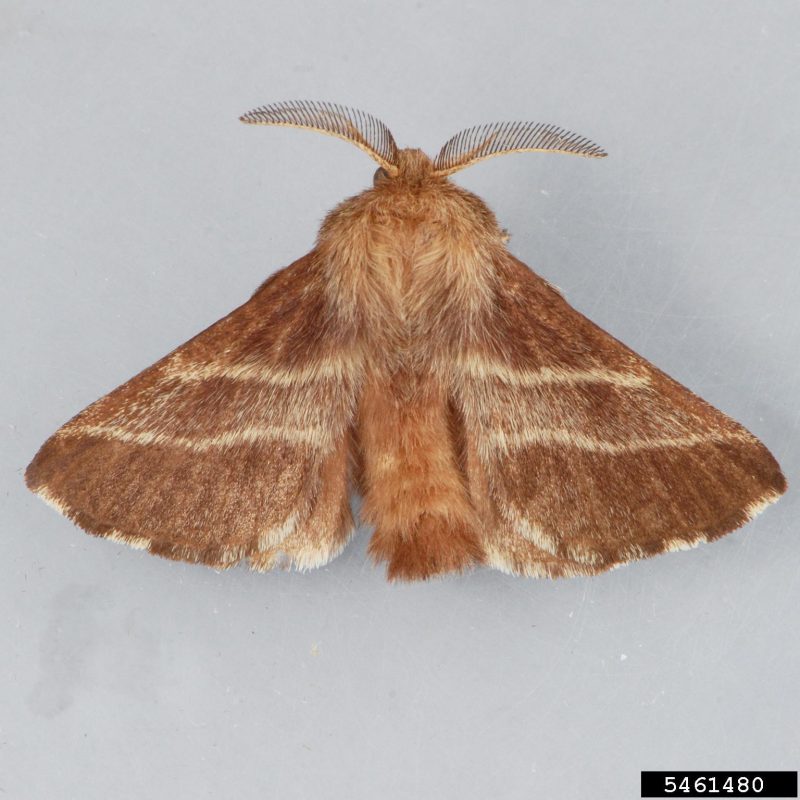
The adult eastern tent caterpillar is a moth, not a butterfly. It has a stout body and wings with patterns.
The moth’s wings are brown and white with some blue-gray tones. Its wingspan is about 1.5 to 2 inches.
- Brown and white wing patterns
- Stout and furry body
- Wingspan around 1.5 to 2 inches
- Active mostly at night
Common Misconceptions
Many people think eastern tent caterpillars become butterflies. This is not true because they become moths instead.
Another false belief is that the moths are harmful or dangerous. Actually, they do not bite or sting.
- They do not turn into butterflies, but moths
- Adult moths are harmless to humans
- The silk tents are made only by larvae
- They live mostly in trees and shrubs

Credit: medium.com
Role In The Ecosystem
Eastern tent caterpillars are insects that live in forests and gardens. They play an important part in nature by serving as food for animals and affecting plant life.
These caterpillars do not turn into butterflies. Instead, they become moths after their caterpillar stage. Their life cycle helps keep the ecosystem balanced.
Impact On Trees
Eastern tent caterpillars eat leaves from many types of trees. This can cause trees to lose a lot of leaves quickly. Trees may look unhealthy but usually recover after the caterpillars leave.
Leaf loss can slow tree growth for a short time. Young trees may be more affected than older trees. The tents made by caterpillars can also change the look of the tree.
Predators And Natural Controls
Many animals eat eastern tent caterpillars. Birds, small mammals, and insects help keep their numbers low. These predators are natural controls in the ecosystem.
- Birds like cuckoos and orioles eat the caterpillars
- Wasps and flies lay eggs on or in caterpillars
- Spiders catch them in webs
- Small mammals such as mice may feed on them
These natural enemies help stop caterpillars from damaging too many trees. This balance is important for healthy forests and gardens.
How To Identify Eastern Tent Caterpillars
Eastern tent caterpillars are common insects in many trees. They live in groups and build tents. Knowing how to spot these tents and caterpillars helps protect trees and gardens.
This guide explains the main signs of eastern tent caterpillars. You will learn about their tents and what the larvae look like.
Tent Structures
Eastern tent caterpillars build silk tents in tree branches. These tents protect them from birds and weather. The tents grow larger as the caterpillars grow.
- Tents are usually found in the forks of tree branches.
- Silk tents look white and web-like.
- The tents open on sunny days so caterpillars can warm up.
- Look for small holes in leaves near the tents.
Larvae Features
Eastern tent caterpillar larvae have unique colors and markings. These features help tell them apart from other caterpillars.
| Feature | Description |
| Body Color | Dark brown to black with a blue tint |
| White Stripe | Wide white stripe runs down the back |
| Side Markings | Orange or yellow spots along the sides |
| Hair | Fine, short hairs cover the body |
Credit: www.pubs.ext.vt.edu

Credit: www.butterfliesandmoths.org
Frequently Asked Questions
Do Eastern Tent Caterpillars Become Butterflies?
No, Eastern Tent Caterpillars do not become butterflies. They transform into moths after pupation, not butterflies.
What Insect Do Eastern Tent Caterpillars Turn Into?
Eastern Tent Caterpillars turn into the Eastern Tent Moth, a species of moth.
How Long Is The Eastern Tent Caterpillar Life Cycle?
Their life cycle lasts about one year, from egg to adult moth.
Are Eastern Tent Caterpillars Harmful To Trees?
Yes, they can defoliate trees but usually do not kill them.
Conclusion
Eastern tent caterpillars do not turn into butterflies. They change into moths after their caterpillar stage. This process is part of their natural life cycle. People often confuse moths and butterflies because they look similar. Knowing the difference helps understand nature better.
Watching these insects grow shows how life changes. Each stage has its own role and beauty. Nature’s cycles keep our environment balanced and alive. Observing these facts can make outdoor time more fun and interesting.