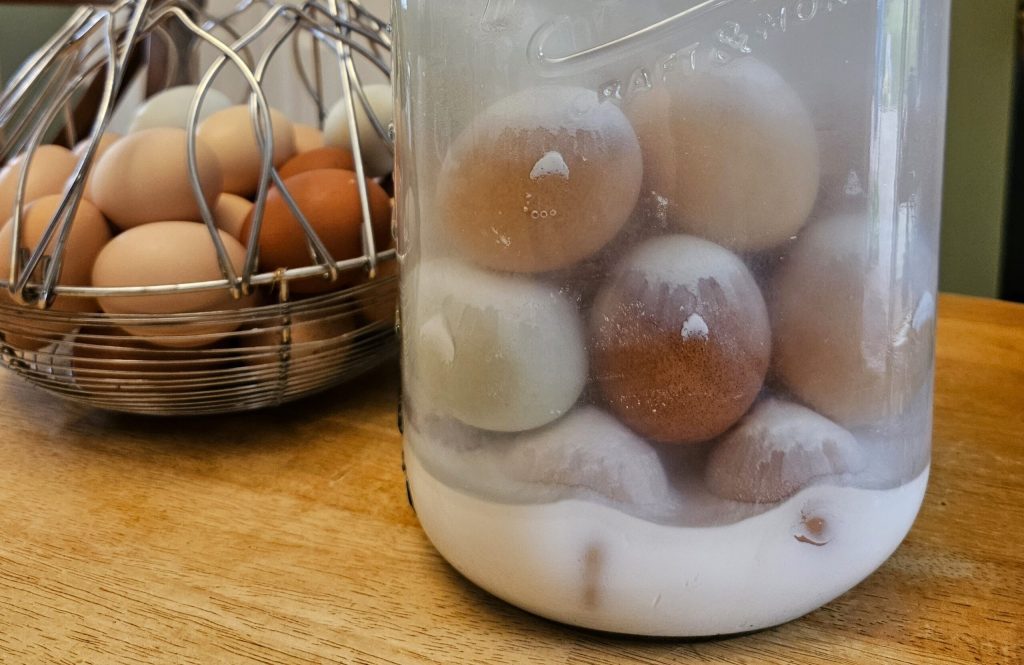
Have you ever wondered what happens to eggs if they’re left outside in freezing temperatures? Picture this: you step outside on a chilly morning, curious about what the cold has done to the carton of eggs you accidentally left on the porch overnight.
Are they still safe to eat, or have they turned into egg-shaped ice cubes? Understanding how eggs react to the cold can save you from a breakfast disaster and help you make smart choices in the kitchen. We’ll crack open the truth about whether eggs can freeze outside and what it means for your next meal.
Stay with us to discover the surprising facts and practical tips that will keep your eggs, and your meals, in perfect condition.
Credit: simplelivingcountrygal.com
Eggs And Freezing Temperatures
Eggs are a common kitchen staple. Understanding how they react to cold helps in storage decisions. Freezing temperatures can change the egg’s texture and safety. Knowing these changes guides proper handling and use.
How Cold Affects Eggs
Eggs contain water, which expands when frozen. This expansion can crack the shell. Cracked shells allow bacteria to enter easily. Inside, the egg white and yolk also change texture. The white becomes watery and less firm. The yolk thickens and can become gelatinous. These changes affect cooking quality and taste.
Freezing Point Of Eggs
The freezing point of eggs is just below 32°F (0°C). Egg whites freeze at a slightly lower temperature than yolks. Yolks freeze around 28°F (-2°C) due to fat content. Whole eggs in the shell freeze unevenly. This uneven freezing causes shell cracking and texture changes. Freezing eggs without the shell is better for preservation.
Credit: www.rejuvenatingfertility.com
Freezing Eggs Outside
Freezing eggs outside might seem like a natural and convenient option, especially if you have a cold climate. However, this approach carries some hidden challenges that can affect the eggs’ usability and safety. Understanding these risks helps you decide if outdoor freezing fits your needs or if you should explore other methods.
Risks Of Outdoor Freezing
Eggs frozen outdoors are exposed to fluctuating temperatures, which can cause repeated freeze-thaw cycles. These cycles increase the chance of bacterial growth inside the egg. Additionally, outdoor environments expose eggs to pests and contaminants that indoor freezing avoids.
Have you ever left eggs in your car during winter? You might notice cracks or odd smells afterward. This real-world experience shows how vulnerable eggs are to uncontrolled outdoor freezing.
Impact On Eggshell Integrity
When eggs freeze outside, the water inside the egg expands and can crack the shell. Even minor cracks can let in bacteria, making the eggs unsafe to eat. Cracked shells also let moisture escape, which affects the texture and taste.
If you want to freeze eggs outside, you risk damaging their protective shell. This damage can make your eggs less reliable for cooking or baking.
Changes In Egg Quality
Egg quality suffers when frozen outside due to inconsistent temperatures. The yolk can become thick and gelatinous, which changes the way it cooks. Whites may turn watery and lose their ability to whip properly.
Think about how important egg texture is for your favorite recipe. Outdoor freezing might ruin that perfect fluffiness or smoothness you expect.
Safe Egg Storage Practices
Storing eggs properly is key to keeping them safe and fresh for longer. Eggs can spoil quickly if not handled right. Knowing the best way to store eggs protects your health and saves money.
Eggs are sensitive to temperature changes and bacteria. Proper storage slows down spoilage and keeps eggs safe to eat. Understanding the right temperature and storage environment matters.
Ideal Temperature For Eggs
Eggs stay fresh longest at temperatures between 33°F and 40°F (1°C to 4°C). Cold temperatures slow bacterial growth inside the shell. Avoid freezing eggs, as this can damage their texture and quality.
Refrigeration Vs Outdoor Storage
Refrigeration is the safest way to store eggs. It keeps eggs cool and stable. Outdoor storage exposes eggs to temperature swings and sunlight. These conditions speed up spoilage and increase risk of contamination.
- Outdoor temperatures are often too warm or too cold.
- Sunlight can cause eggshells to weaken.
- Refrigerators maintain a steady cold environment.
Tips To Preserve Freshness
- Store eggs in their original carton to reduce moisture loss.
- Place eggs on middle refrigerator shelves, not in the door.
- Keep eggs away from strong-smelling foods to avoid odor absorption.
- Use eggs within 3 to 5 weeks of purchase for best quality.
- Wash eggs only before use to keep the protective coating intact.

Credit: forksinthedirt.com
Using Frozen Eggs
Using frozen eggs can be a real game-changer in your kitchen, especially if you like to keep things prepared ahead of time. Once eggs are frozen, they remain versatile and safe to use, but handling them properly is key to maintaining their texture and taste. Let’s look at how to bring frozen eggs back to life and what you can cook with them.
How To Thaw Eggs Safely
Thawing eggs correctly prevents any food safety issues and keeps the eggs’ quality intact. The safest way is to transfer the frozen eggs from the freezer to the refrigerator and let them thaw slowly overnight.
If you’re short on time, place the sealed container or bag of frozen eggs in a bowl of cold water. Change the water every 30 minutes until the eggs are fully thawed. Avoid thawing eggs at room temperature because this can encourage bacterial growth.
Cooking With Previously Frozen Eggs
Once thawed, frozen eggs work best in recipes where they are fully cooked or mixed in, like baking or scrambling. The texture might change slightly, becoming a bit watery, but this usually doesn’t affect the final dish.
Use frozen eggs for:
- Scrambled eggs or omelets
- Baking cakes, muffins, and cookies
- Quiches and frittatas
- Custards and sauces
Have you ever tried baking with eggs you froze yourself? You might be surprised how well they perform, saving you a trip to the store and reducing waste. Give it a shot and see how your recipes turn out!
Egg Freezing Alternatives
Freezing eggs outside their natural shell is a less common approach but offers some interesting alternatives. These methods can help you preserve eggs more flexibly, especially if you want to separate components or avoid the hassle of storing whole eggs. Understanding these options might change how you think about egg storage in your kitchen or for longer-term use.
Freezing Egg Whites And Yolks Separately
You can freeze egg whites and yolks separately to maintain their quality better than freezing whole eggs. Whites freeze well and can be directly poured into containers or ice cube trays. When thawed, they retain their texture and are perfect for recipes requiring only whites, like meringues or egg white omelets.
Yolks need a little preparation before freezing to avoid becoming gelatinous. Adding a pinch of salt or sugar helps keep their consistency smooth. This simple trick ensures yolks remain easy to mix after thawing, ideal for custards or sauces.
Have you ever had trouble separating eggs for a recipe? Freezing them separately might save you time and reduce waste. It’s a practical option if you often use only one part of the egg.
Commercial Egg Freezing Options
Several companies now offer commercial egg freezing services, especially aimed at fertility preservation. These options involve professional extraction, freezing, and storage at specialized facilities. It’s a reliable way to freeze eggs if you’re planning for future family planning or want to ensure high-quality preservation.
This commercial approach typically uses vitrification, a fast-freezing technique that prevents ice crystals from forming. It’s more advanced than home freezing and improves egg survival rates after thawing. If you’re considering this for fertility reasons, it’s worth consulting a specialist to understand the full process and costs.
Would you consider commercial egg freezing even if it’s an investment? For many, it offers peace of mind and more control over their reproductive choices. It’s another example of how technology can support your personal plans in unexpected ways.
Frequently Asked Questions
Can Eggs Freeze Outside In Cold Weather?
Yes, eggs can freeze outside in freezing temperatures. However, freezing can damage the egg’s texture and quality. It’s best to store eggs indoors to maintain freshness and avoid cracking.
How Does Freezing Affect Eggs’ Quality?
Freezing causes eggshells to crack and egg whites to become watery. The texture and taste may change, making them less suitable for certain recipes.
Is It Safe To Eat Eggs Frozen Outside?
Eating eggs frozen outside is generally safe if they remain frozen solid. But thawed eggs may spoil faster and should be used quickly or discarded.
How To Properly Freeze Eggs For Long-term Storage?
Crack eggs and beat yolks and whites together before freezing. Store in airtight containers or freezer bags to prevent freezer burn and maintain quality.
Conclusion
Eggs do not freeze well outside in cold weather. Their shells can crack and spoil quickly. Keep eggs inside the fridge for best freshness. Freezing eggs properly helps keep their quality safe. Knowing how to store eggs saves food and money.
Always check eggs before use if frozen accidentally. Safe handling keeps your meals tasty and healthy. Simple care makes a big difference for eggs’ shelf life.