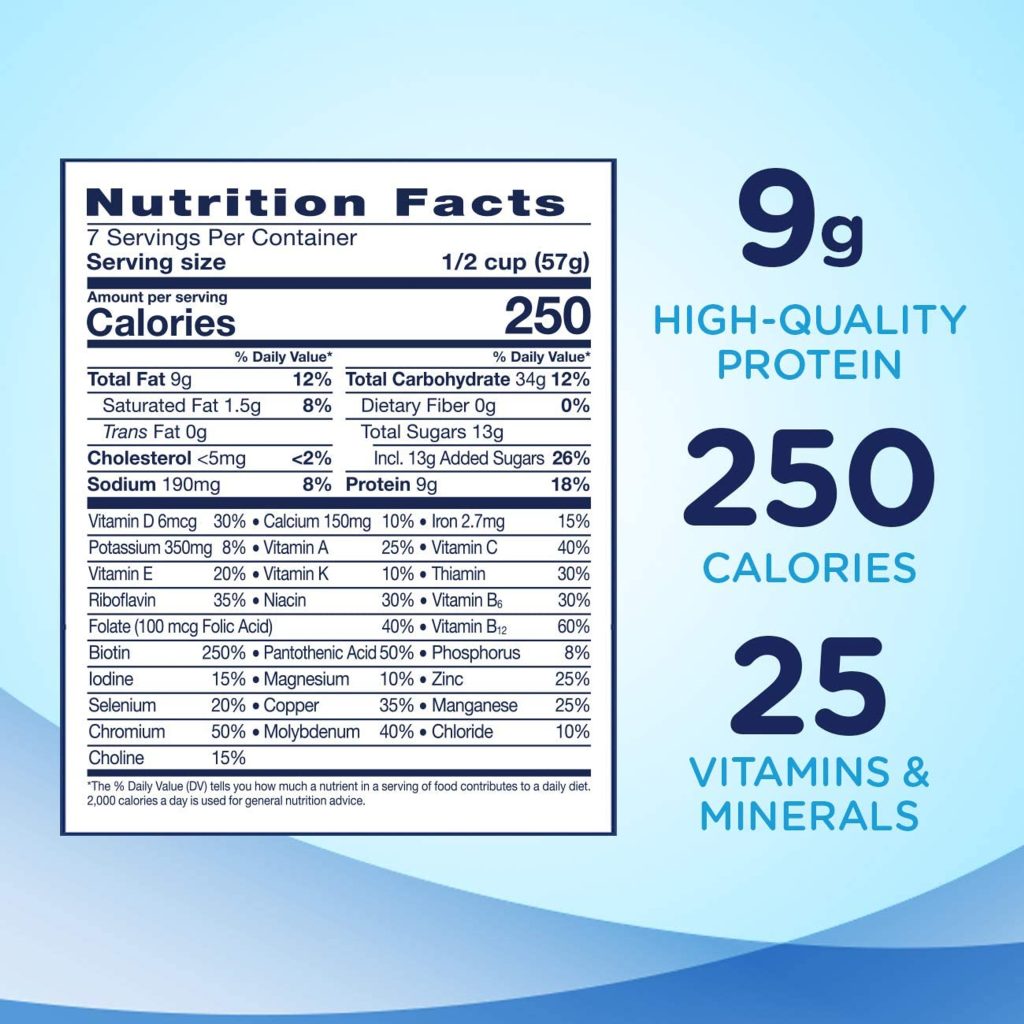
Have you ever wondered if your bottle of Ensure should be kept in the fridge or not? You’re not alone.
Many people are unsure about the proper storage of this popular nutritional drink. You might be asking yourself, “Does refrigerating Ensure affect its taste or nutritional value? ” Or “What’s the best way to store it for maximum freshness? ” These are important questions, especially if you rely on Ensure for your nutritional needs.
This article will uncover the facts about storing Ensure, ensuring that you’re getting the most from every sip. Stick around, and you’ll discover the best practices for keeping your Ensure as fresh and effective as possible.
Why Refrigeration Matters
Understanding why refrigeration matters can change how you store your food, especially dairy products like cheese. Keeping cheese chilled isn’t just about habit—it affects its taste, safety, and health benefits. Let’s look at what happens when cheese is refrigerated versus left out.
Impact On Nutritional Value
Refrigeration helps preserve the nutrients in cheese, including calcium, protein, and vitamins A and B12. Without proper cooling, these nutrients can break down faster, reducing the cheese’s health benefits.
Have you ever noticed cheese losing its richness or texture after sitting out too long? That’s often a sign that nutrients are degrading. By keeping cheese cold, you maintain its nutritional quality for longer.
Preventing Spoilage And Contamination
Cheese is prone to spoilage because of its moisture and fat content. Refrigeration slows down bacterial growth, reducing the risk of mold and harmful bacteria developing.
Imagine leaving your cheese out during a warm day—bacteria multiply quickly, and the cheese can become unsafe to eat. Storing it in the fridge keeps it fresh and protects your health.
Do you want to avoid wasting food and money? Refrigeration is your best tool for keeping cheese safe and tasty until you’re ready to enjoy it.
Which Items Require Refrigeration
Knowing which items need refrigeration helps keep food fresh and safe. Some foods spoil fast without cold storage. Others stay good at room temperature.
Here are key categories that require refrigeration to prevent bacteria growth and maintain quality.
Perishable Foods
Perishable foods spoil quickly at room temperature. These include cooked meals, leftovers, and opened packaged goods. Storing them in the fridge slows down bacteria growth. It also keeps taste and texture intact.
Dairy And Meat Products
Dairy products like milk, cheese, and yogurt must stay cold. Meat, poultry, and fish also need refrigeration. Cold temperatures prevent harmful bacteria from multiplying. Always keep these items in sealed containers or original packaging.
Fresh Produce
Some fresh fruits and vegetables need the fridge to stay crisp and fresh. Leafy greens, berries, and cut produce especially require cold storage. Others like bananas and tomatoes do better outside the fridge until ripe.
Items That Can Stay At Room Temperature
Knowing which items can stay at room temperature saves space in your fridge and keeps your kitchen organized. Not every food needs chilling to stay fresh. Some items actually taste better or last longer when stored outside the cold.
Dry Goods And Staples
Dry goods like rice, pasta, and flour do not require refrigeration. Keep them in airtight containers to avoid moisture and pests. Your pantry is the perfect spot—cool, dark, and dry.
Other staples such as sugar, salt, and baking powder also do well at room temperature. Storing these items in a fridge can cause clumping due to humidity. Have you ever noticed sugar turning hard in the fridge? That’s why it’s best left out.
Certain Fruits And Vegetables
Some fruits and vegetables thrive outside the fridge. Tomatoes, for example, lose flavor and become mealy when chilled. Keeping them on your countertop helps preserve their natural sweetness.
Onions, potatoes, and garlic also prefer a cool, dark, and dry place rather than the cold fridge. Refrigeration can make potatoes turn gritty and onions soft. Try keeping them in a mesh bag or basket to allow airflow.
Think about your own kitchen habits—are you storing these items in the fridge unnecessarily? A little change could improve taste and reduce waste.
Credit: www.priceritemarketplace.com
Proper Refrigeration Techniques
Proper refrigeration techniques keep food fresh and safe longer. Using the right temperature and storage methods stops bacteria growth. Organizing your fridge helps maintain these conditions. Follow simple steps to store items properly.
Optimal Temperature Settings
Set your fridge temperature between 34°F and 40°F (1°C to 4°C). This range slows down bacteria growth without freezing food. Avoid frequent temperature changes by closing the fridge door quickly. Use a fridge thermometer to check accuracy. Keep the freezer at 0°F (-18°C) for frozen items.
Storage Containers And Packaging
Use airtight containers to store food and prevent moisture loss. Wrap items like cheese and meat in plastic wrap or foil. Label containers with dates to track freshness. Avoid using damaged or cracked containers. Glass and BPA-free plastic containers are best for safety and durability.
Organizing Your Fridge
- Place raw meat on the bottom shelf to avoid drips on other foods.
- Keep fruits and vegetables in separate drawers to maintain humidity levels.
- Store dairy products on middle shelves, away from the door.
- Use clear bins to group similar items for easy access.
- Do not overcrowd the fridge to allow proper air circulation.
Common Mistakes In Food Storage
Storing food properly is key to keeping it fresh and safe. Yet, many people make simple mistakes that shorten the life of their groceries. These errors can lead to wasted food and even health risks, which no one wants.
Overcrowding The Fridge
Have you ever packed your fridge so full that air barely moves inside? Overcrowding blocks cold air circulation, causing uneven cooling. Some items stay warm, which speeds up spoilage.
Try leaving space between items to let cold air flow. You’ll notice your food lasts longer and tastes better. Think about your fridge like a tiny ecosystem—it needs room to breathe.
Ignoring Expiry Dates
Skipping expiry dates is a common trap. You might think food looks fine, so it’s safe to eat. But expiration dates exist for a reason—they mark when food’s quality and safety start to decline.
Check these dates regularly and plan your meals around them. This simple habit stops you from eating spoiled food and saves money. What’s the point of keeping food if it’s no longer good?
Inadequate Sealing
Leaving food containers open or loosely closed invites air and moisture in. This speeds up spoilage and can cause odors to mix inside your fridge. Have you ever noticed your leftovers tasting off even after a day or two?
Use airtight containers or resealable bags to lock in freshness. It’s a small step that makes a big difference in keeping your food tasty and safe. How often do you check if your food is sealed properly?
Credit: www.abbottnutrition.com
Tips For Extending Shelf Life
Extending the shelf life of food ensures less waste and more savings. Proper storage keeps food fresh, tasty, and safe for longer. Knowing the best ways to preserve food helps maintain its quality and nutrition. Here are some practical tips to help food last longer.
Freezing Vs Refrigerating
Freezing slows down the growth of bacteria and molds. It is ideal for long-term storage of many foods. Refrigerating keeps food cool but only for a few days to weeks. Choose freezing for meats, bread, and leftovers that you won’t eat soon. Use the refrigerator for fresh produce, dairy, and cooked meals to consume quickly.
Using Preservatives Naturally
Natural preservatives help keep food fresh without chemicals. Salt draws out moisture, preventing bacteria growth. Vinegar adds acidity, which slows spoilage. Lemon juice works as an antioxidant and brightens flavors. Herbs like rosemary and thyme have antimicrobial properties. Use these ingredients to season and protect foods during storage.
Regular Cleaning And Maintenance
Keep storage areas clean to avoid contamination. Clean refrigerators and freezers regularly to remove spills and odors. Check seals and door gaskets for tight closure. Remove expired or spoiled items promptly to prevent spreading germs. Organize food to allow air circulation and easy access.
Credit: www.vitalitymedical.com
Frequently Asked Questions
Do Ensure Drinks Require Refrigeration After Opening?
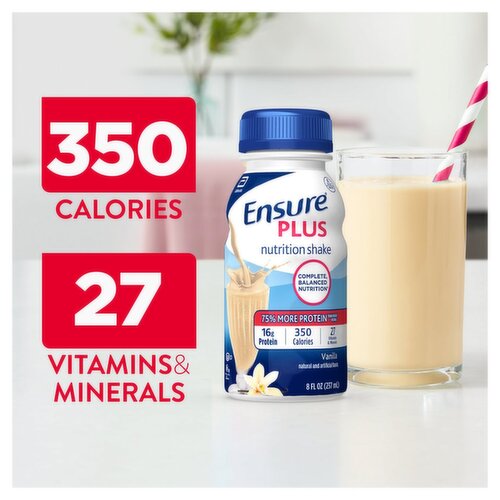
Yes, Ensure drinks should be refrigerated after opening to maintain freshness and prevent spoilage. Always check the label for specific storage instructions.
Can Unopened Ensure Be Stored At Room Temperature?
Unopened Ensure can be stored at room temperature in a cool, dry place away from direct sunlight. Avoid extreme heat or cold.
How Long Does Ensure Last In The Fridge?
Opened Ensure typically lasts 24 to 48 hours in the fridge. Consume it quickly to enjoy its best taste and nutrition.
Is Refrigeration Necessary For Powdered Ensure Products?
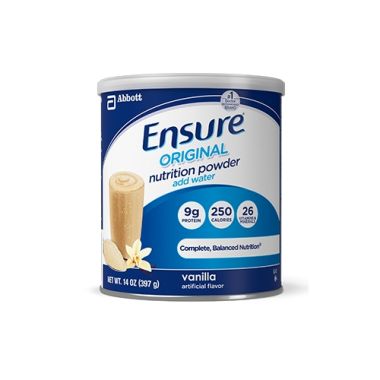
Powdered Ensure does not require refrigeration. Store it in a cool, dry place, tightly sealed to keep moisture out.
Conclusion
Ensures usually need refrigeration after opening to stay fresh. Keep them in a cool place before opening. Storing ensures properly helps keep their taste and quality. Always check the label for specific instructions. Avoid leaving ensures out too long to prevent spoilage.
Proper storage saves money and reduces waste. Simple steps make your ensures last longer and taste better. Remember, freshness matters for every serving you enjoy.