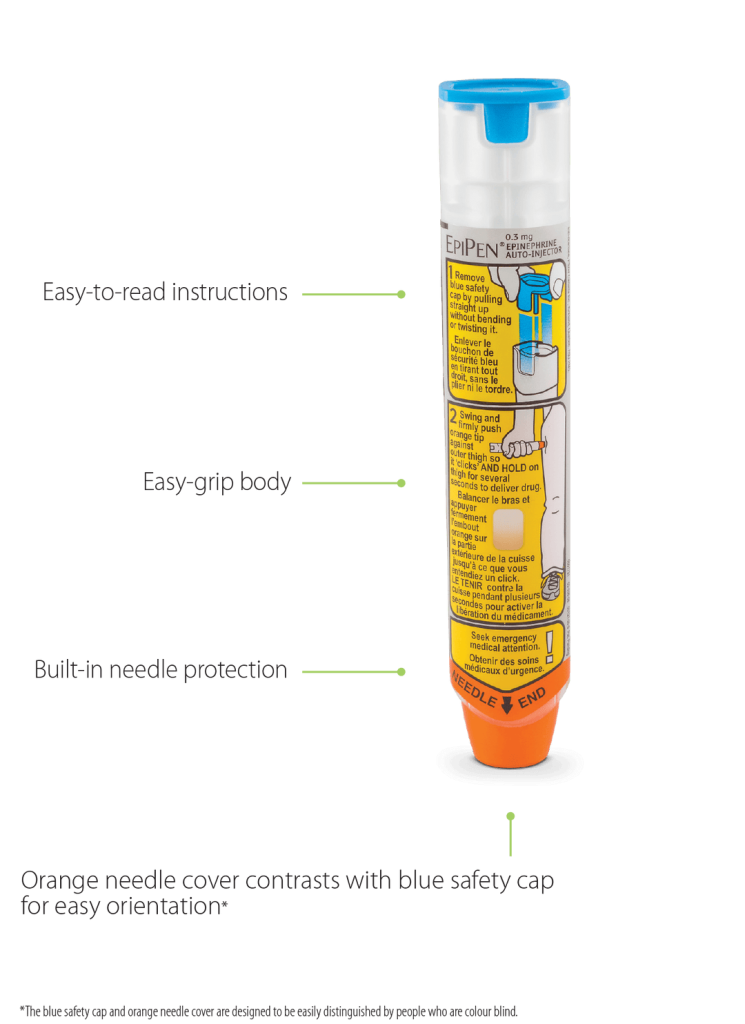
Have you ever wondered what happens if your EpiPen freezes? If you carry one for emergencies, knowing how cold temperatures affect it is crucial.
Your EpiPen needs to work perfectly when you need it most, so understanding how to store it safely can save your life. Keep reading to find out why freezing matters and what you should do to protect your EpiPen from the cold.
Epipen Storage Basics
Epipens should never freeze, as freezing can damage the medicine inside. Keep them at room temperature, away from extreme cold or heat. Proper storage ensures the Epipen works effectively during emergencies.
Epipen Storage Basics Epipens are life-saving devices, but their effectiveness depends heavily on proper storage. Storing them incorrectly can render them useless at a critical moment. Let’s explore how to store your Epipens correctly to ensure they’re ready when you need them most.Recommended Temperature Range
Epipens should be stored at temperatures between 68°F and 77°F (20°C and 25°C). Brief exposure to temperatures as low as 59°F (15°C) and as high as 86°F (30°C) is acceptable. Avoid storing them in extreme temperatures, such as a hot car or a cold garage. Always keep your Epipen in a room with a stable temperature to maintain its potency.Why Proper Storage Matters
Improper storage can degrade the epinephrine, rendering the Epipen less effective or even useless. Imagine needing an Epipen during an allergic reaction and finding it doesn’t work—that’s a risk you can’t afford. Correct storage ensures that the Epipen delivers the right dose of medication when you need it. Think of it as an insurance policy—your careful storage efforts today guarantee your safety tomorrow.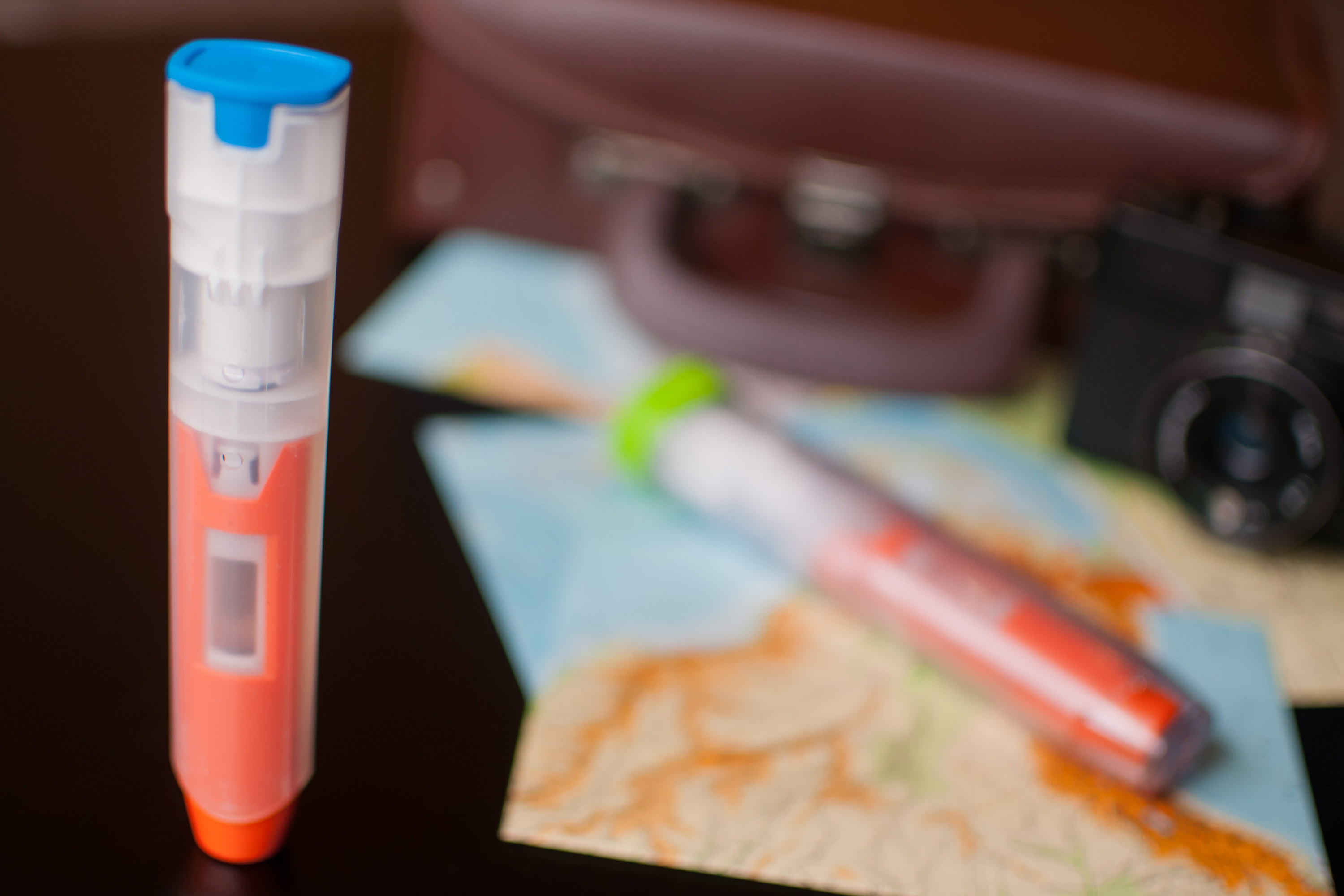
Credit: www.healthcentral.com
Can Epipens Freeze?
Epipens contain epinephrine, a medicine that treats severe allergic reactions quickly. People often ask, “Can Epipens freeze?” This question is important because freezing can affect the medicine’s safety and strength. Understanding how cold affects Epipens helps users keep them effective in emergencies.
Effects Of Freezing On Epipen
Freezing can change the medicine inside an Epipen. The liquid may become cloudy or form crystals. These changes reduce the medicine’s ability to work properly. The needle and plastic parts might also break or crack if frozen. Using a frozen Epipen might not deliver the right dose. This can be dangerous during a severe allergic reaction.
Signs Of A Frozen Epipen
Knowing how to spot a frozen Epipen is important. Look for these signs:
- Cloudy or grainy liquid inside the clear window
- Ice crystals or solid particles in the liquid
- Cracks or damage to the plastic casing
- Unusual color changes in the solution
If any sign appears, do not use the Epipen. Replace it with a new one immediately to ensure safety.
What Happens If An Epipen Freezes?
If an EpiPen freezes, you might wonder how it affects the medication inside. Freezing can change the properties of the epinephrine solution, potentially making it less effective in an emergency. Understanding what happens when your EpiPen freezes can help you decide whether it’s still safe to use or if you need a replacement.
Impact On Medication Effectiveness
Epinephrine is sensitive to temperature changes, and freezing can cause the solution to degrade. When frozen, the medication may separate or crystallize, which reduces its ability to work quickly during an allergic reaction.
Have you ever noticed changes in the color or clarity of your EpiPen after it got too cold? This is a sign the medication might not perform as expected. Using an EpiPen that has been frozen can delay the reversal of severe allergy symptoms, which could be dangerous.
Risks Of Using A Frozen Epipen
Using an EpiPen that has been frozen carries real risks. The needle may not deliver the proper dose of medication, leaving you vulnerable during an allergic emergency.
Additionally, the effectiveness of the epinephrine weakens, which could lead to a slower or incomplete response to anaphylaxis. If you suspect your EpiPen has frozen, it’s safer to get a new one rather than risk a failed injection.
Do you keep your EpiPen in places where temperature control is unreliable? It’s a good idea to store it at room temperature, away from extreme cold or heat, to ensure it works when you need it most.
Preventing Epipen Freezing
Preventing your Epipen from freezing is crucial because extreme cold can damage the medication inside, making it less effective when you need it most. Knowing how to store and carry your Epipen safely, especially in colder climates or during winter travel, can save your life. Let’s look at practical ways to keep your Epipen at the right temperature.
Safe Storage Tips For Different Climates
Your Epipen needs to stay between 59°F and 86°F (15°C to 30°C) for optimal performance. In hot climates, avoid leaving it in a car or direct sunlight. But in cold climates, freezing is a real risk.
- Keep your Epipen indoors, away from cold windows or unheated areas like garages.
- Use insulated pouches or cases designed to maintain a stable temperature.
- Store it at room temperature inside your home and check it regularly for discoloration or damage.
- Consider a small thermal bag if your home tends to get very cold.
Have you ever found your Epipen stored in a place that felt safe, only to realize later it was too cold? A simple change like moving it to a warm shelf can make a big difference.
Traveling With An Epipen In Cold Weather
When traveling to cold destinations, plan how you will protect your Epipen from freezing temperatures. Airlines and airports can have cold environments, and outdoor activities might expose your Epipen to the elements.
- Carry your Epipen in a thermal case close to your body to use your own body heat as protection.
- Check the temperature of your luggage compartments if you must store it there, as they can get very cold.
- Avoid leaving your Epipen on cold surfaces or inside a cold vehicle for extended periods.
- Bring a temperature monitor or small thermometer in your Epipen case to track the environment.
Have you considered how quickly your Epipen might freeze during a winter hike or a chilly flight? Taking these steps ensures it remains ready to save your life, no matter the weather.
What To Do If Your Epipen Freezes
Discovering that your EpiPen has been exposed to freezing temperatures can be alarming. You might wonder if it still works or if you need to get a new one immediately. Understanding what to do if your EpiPen freezes can save you stress and ensure your safety when you need it most.
Checking Your Epipen After Exposure To Cold
First, never use an EpiPen if it has been frozen without checking it carefully. Look at the liquid inside the EpiPen’s clear window. If the solution appears cloudy, discolored, or has particles, do not use it.
Thaw the EpiPen at room temperature before further inspection. Avoid heating it with direct heat like a hairdryer or microwave, as this can damage the medication. After thawing, check again for any changes in appearance.
Have you ever stored your EpiPen in a cold car during winter? Many people don’t realize that even brief exposure to freezing can affect the medication. This simple check can prevent you from relying on a compromised EpiPen.
When To Replace Your Epipen
If your EpiPen shows any signs of freezing damage or if you’re unsure about its condition, replace it immediately. Using a frozen or damaged EpiPen can result in ineffective treatment during an allergic emergency.
Keep track of how long your EpiPen has been exposed to cold. Even if it looks normal after thawing, prolonged freezing might affect its potency. Contact your pharmacist or healthcare provider to discuss whether you need a replacement.
Remember, having a reliable EpiPen is crucial. Would you want to risk using one that might fail when seconds count? Don’t hesitate to replace it if there’s any doubt.

Credit: www.friendlypantry.com
Additional Epipen Care Tips
Proper care of your Epipen ensures it works when needed. Simple habits can protect the device and keep it ready. Understanding how to store and inspect your Epipen helps maintain its effectiveness. These tips prevent damage from heat, light, or expiration.
Avoiding Heat And Light Exposure
Epipens should stay away from direct sunlight. Keep them in a cool, dry place below 25°C (77°F). Avoid leaving your Epipen in cars or near windows. Heat can break down the medicine and reduce its power. Bright light can also damage the device over time.
Regular Inspection And Expiry Dates
Check your Epipen every month for changes. Look for cracks, discoloration, or leaks in the clear window. The liquid inside should be clear and colorless. Never use an Epipen past its expiration date. Replace expired or damaged Epipens immediately to ensure safety.

Credit: www.anaphylaxis.org.uk
Frequently Asked Questions
Can Epipens Freeze And Lose Effectiveness?
Yes, Epipens can freeze. Freezing may damage the medicine inside. Always store Epipens at room temperature between 68°F and 77°F.
How To Protect Epipens From Freezing Temperatures?
Keep Epipens in insulated bags during cold weather. Avoid leaving them in cars overnight or outdoors in winter to prevent freezing.
What Happens If An Epipen Freezes Before Use?
Frozen Epipens may not deliver accurate doses. Using a frozen Epipen can reduce its effectiveness in emergencies. Replace if accidentally frozen.
Can Thawed Epipens Be Used Safely?
No, do not use Epipens that were frozen and thawed. Freezing can alter medication, making it unsafe. Get a new Epipen immediately.
Conclusion
Epipens should never freeze or get too cold. Freezing can damage the medicine inside. Keep them at room temperature, away from extreme heat or cold. Check the expiration date often to ensure they work properly. Always carry your Epipen in a safe, temperature-controlled place.
Knowing how to care for your Epipen can save lives. Stay prepared and protect your medicine from freezing. Your safety depends on it.