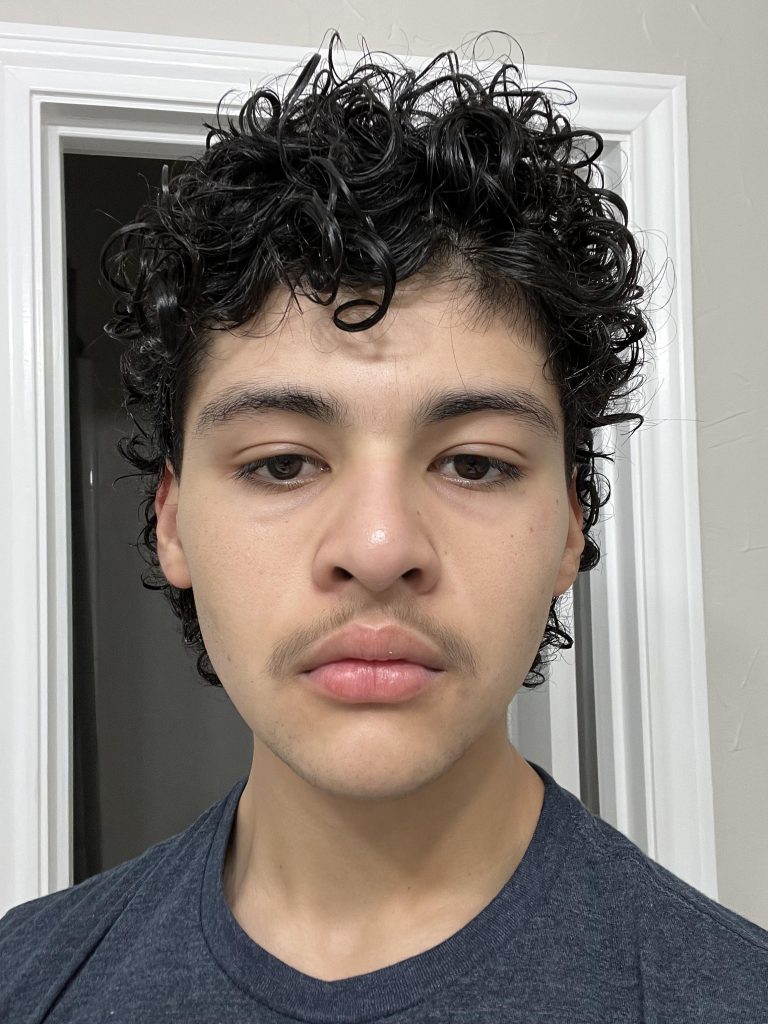
Do you wake up staring at those stubborn eye bags and wonder if a good night’s sleep will erase them? You’re not alone.
Many people believe that simply getting more rest is the magic fix for tired-looking eyes. But is it really that simple? You’ll discover the truth about eye bags and sleep, learn what actually helps, and find out how to wake up looking refreshed every day.
Keep reading—your eyes will thank you.
Causes Of Eye Bags
Eye bags are common and appear as puffiness under the eyes. Many people wonder if sleep can make them go away.
Understanding what causes eye bags helps to know if sleep alone can fix them.
Genetics And Aging
Some people inherit a tendency to have eye bags. Family genes affect skin and fat placement.
Aging causes skin to lose its strength and elasticity. This makes eye bags more visible over time.
Fluid Retention
Fluid can build up under the eyes, causing puffiness. This happens when the body holds too much water.
Sleeping well helps reduce fluid retention but may not remove it completely.
- High salt intake can cause fluid buildup
- Hormone changes may increase water retention
- Lying down for long periods can affect fluid distribution
Allergies And Inflammation
Allergies cause the eyes to become red and swollen. This can create or worsen eye bags.
Inflammation from irritants or infections also adds to puffiness under the eyes.
- Dust and pollen often trigger eye allergies
- Rubbing eyes can increase swelling
- Cold compresses may help reduce inflammation
Lifestyle Factors
Bad habits like lack of sleep and smoking make eye bags worse. Stress also affects skin health.
Drinking enough water and eating well support skin and reduce puffiness.
- Too much alcohol dehydrates the skin
- Smoking damages skin elasticity
- Not sleeping enough causes fluid buildup

Credit: www.goodrx.com
Sleep’s Role In Eye Bags
Eye bags are a common concern for many people. They often appear as puffiness or dark circles under the eyes.
One common question is whether sleep can help reduce these eye bags. Understanding sleep’s role is important.
How Sleep Affects Eye Appearance
Sleep helps the body repair and refresh itself. When you sleep well, your skin looks healthier and less tired.
- Good sleep reduces fluid buildup under the eyes.
- It helps improve blood flow to the skin.
- Sleep supports collagen production that keeps skin firm.
- Lack of sleep can cause dark circles and puffiness.
Can Sleep Alone Eliminate Eye Bags?
Sleep can improve the look of eye bags but may not remove them completely. Other factors may play a role.
| Factor | Effect on Eye Bags |
| Age | Skin loses elasticity, causing bags |
| Genetics | Family traits may cause persistent bags |
| Allergies | Can cause swelling and puffiness |
| Diet | High salt intake can worsen puffiness |
| Sleep | Improves but does not always remove eye bags |
When Sleep Isn’t Enough
Many people think eye bags go away after a good sleep. Sleep helps reduce puffiness and dark circles. But sometimes, eye bags stay even after rest.
This means sleep alone may not fix the problem. Other factors can cause eye bags to persist or worsen.
Persistent Eye Bags
Eye bags that do not improve with sleep are called persistent eye bags. They can be due to aging, skin changes, or habits.
As we age, skin loses fat and collagen. This causes skin to sag and look puffy. Fluid may build up under the eyes, making bags visible.
- Skin becomes thinner and weaker
- Fat pads under eyes shift or bulge
- Fluid retention causes swelling
Medical Conditions Behind Eye Bags
Some medical issues can cause or worsen eye bags. Allergies, thyroid problems, and kidney issues affect the eyes.
Conditions that cause inflammation or fluid buildup may show as eye puffiness. Treating these conditions helps reduce eye bags.
- Allergies cause swelling and rubbing of eyes
- Thyroid disorders change skin and tissue
- Kidney problems lead to fluid retention
- Sinus infections increase pressure around eyes

Credit: uk.news.yahoo.com
Effective Ways To Reduce Eye Bags
Eye bags can make you look tired and older. Many people wonder if sleep alone can make them go away. While rest helps, other methods work better to reduce puffiness under the eyes.
This guide covers home remedies, skincare products, lifestyle changes, and professional treatments to help reduce eye bags effectively.
Home Remedies
Simple home remedies can reduce swelling and refresh the skin around your eyes. These methods are easy and use natural ingredients.
- Apply cold compresses or chilled spoons to reduce swelling.
- Use cucumber slices or chilled tea bags on your eyes for 10 minutes.
- Drink plenty of water to flush out excess salt and toxins.
- Sleep with your head slightly elevated to prevent fluid buildup.
Skincare Products
Using the right skincare products can strengthen skin and reduce puffiness. Look for ingredients that soothe and hydrate the under-eye area.
| Ingredient | Benefits |
| Caffeine | Reduces swelling and tightens skin |
| Hyaluronic Acid | Hydrates and plumps skin |
| Vitamin C | Brightens dark circles and boosts collagen |
| Retinol | Improves skin texture and firmness |
Lifestyle Adjustments
Changing daily habits can help prevent and reduce eye bags over time. These adjustments support overall skin health and reduce fluid retention.
- Get 7 to 8 hours of quality sleep every night.
- Limit salt intake to reduce water retention.
- Avoid smoking and reduce alcohol consumption.
- Manage allergies to prevent eye irritation and swelling.
- Wear sunscreen daily to protect delicate skin near your eyes.
Professional Treatments
For persistent eye bags, professional treatments offer stronger results. Consult a dermatologist to find the best option for your skin type.
- Chemical peels to improve skin texture and lighten dark circles.
- Laser therapy to tighten skin and stimulate collagen.
- Dermal fillers to add volume and reduce hollow areas.
- Blepharoplasty, a surgical procedure to remove excess fat and skin.
Preventing Eye Bags
Eye bags can make you look tired and older. Sleep helps, but it may not remove them fully.
There are ways to stop eye bags before they start. Good habits and care can help a lot.
Healthy Sleep Habits
Sleeping well is key to reducing eye bags. Try to keep a regular sleep schedule. Sleep at least 7 to 8 hours every night. Avoid sleeping on your stomach to prevent fluid buildup under your eyes.
- Go to bed and wake up at the same time daily.
- Use a pillow to slightly raise your head.
- Keep your bedroom dark and quiet.
- Avoid screens 30 minutes before sleep.
Diet And Hydration Tips
What you eat affects your eye bags. Drink enough water daily to flush out salt and toxins. Cut down on salty and processed foods that cause swelling. Eat foods rich in vitamins C and E to strengthen skin.
| Food Type | Effect on Eye Bags |
| Water | Reduces puffiness by flushing fluids |
| Salt | Increases swelling and fluid retention |
| Vitamin C rich foods | Supports skin firmness |
| Processed foods | Can worsen under-eye swelling |
Allergy Management
Allergies can cause eye bags by making skin swell and itch. Keep your home clean to reduce dust and pet dander. Use allergy medicine if your doctor suggests it. Avoid rubbing your eyes to stop irritation.
- Wash bedding weekly in hot water
- Use air purifiers to clean indoor air
- Wear sunglasses outdoors to block pollen
- Consult an allergist for proper treatment

Credit: health.clevelandclinic.org
Frequently Asked Questions
Do Eye Bags Disappear After A Good Night’s Sleep?
Eye bags may reduce after proper sleep as fluid retention decreases. However, persistent bags often need more than sleep, like skincare or lifestyle changes.
How Long Does Sleep Take To Reduce Eye Bags?
Typically, one full night of quality sleep can lessen mild eye bags. Chronic puffiness may require consistent sleep and additional treatments for noticeable improvement.
Can Lack Of Sleep Cause Permanent Eye Bags?
Chronic sleep deprivation can worsen eye bags but usually doesn’t cause permanent damage. Long-term poor sleep may deepen wrinkles and skin laxity, making bags harder to treat.
What Other Factors Worsen Eye Bags Besides Sleep?
Aging, genetics, allergies, and fluid retention also contribute to eye bags. Poor diet, smoking, and sun exposure can further aggravate under-eye puffiness and discoloration.
Conclusion
Getting enough sleep can reduce eye bags over time. Rest allows the skin to heal. Good sleep habits are important. Consistent sleep helps the body recover. It’s vital for overall health. Hydration and a balanced diet can also help. Consider reducing salt and alcohol intake.
These changes improve skin appearance. Avoid stress to maintain youthful eyes. Eye creams may offer additional support. Consult a professional if problems persist. Sleep is crucial, but not the only solution. Remember, patience and lifestyle changes matter.