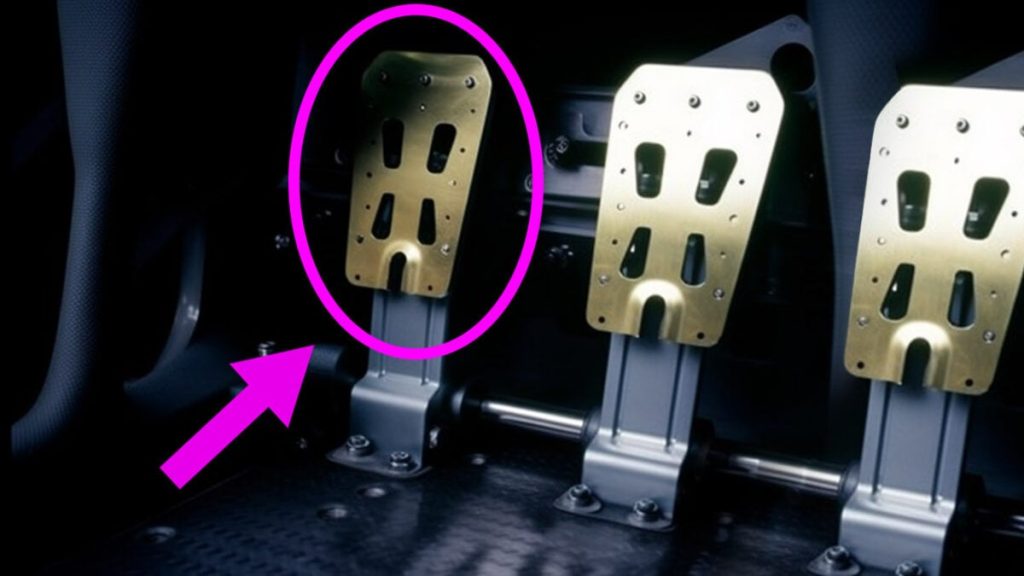
Have you ever wondered if F1 cars have a clutch pedal like regular cars? It’s a question that sparks curiosity, especially if you’re fascinated by the speed and precision of Formula 1 racing.
Understanding this can give you a closer look at what makes these machines so unique and why driving an F1 car is unlike anything else on the road. Keep reading, because what you’ll discover might surprise you—and change the way you think about racing forever.
Clutch Pedal Basics
The clutch pedal helps drivers control the car’s power from the engine to the wheels. It allows smooth gear changes in manual cars. This pedal is not used in all cars.
Understanding the clutch pedal’s role helps explain why some cars have it and others do not. Let’s explore its function and differences in car types.
Role Of Clutch In Cars
The clutch connects and disconnects the engine from the wheels. It stops power flow when changing gears. This helps prevent damage to the car’s transmission.
- Engages engine to the transmission to move the car
- Disengages engine to allow gear changes
- Helps start the car smoothly from a stop
- Prevents engine stalling during slow speeds
Manual Vs Automatic Clutch
Manual cars have a clutch pedal that drivers operate with their foot. Automatic cars use a system that shifts gears without a pedal.
| Type | Clutch Pedal | Driver Control |
| Manual | Yes | Driver shifts gears using clutch |
| Automatic | No | Car shifts gears automatically |
Credit: f1chronicle.com
F1 Car Transmission Systems
F1 cars use advanced transmission systems to change gears quickly. These systems help drivers control speed and power.
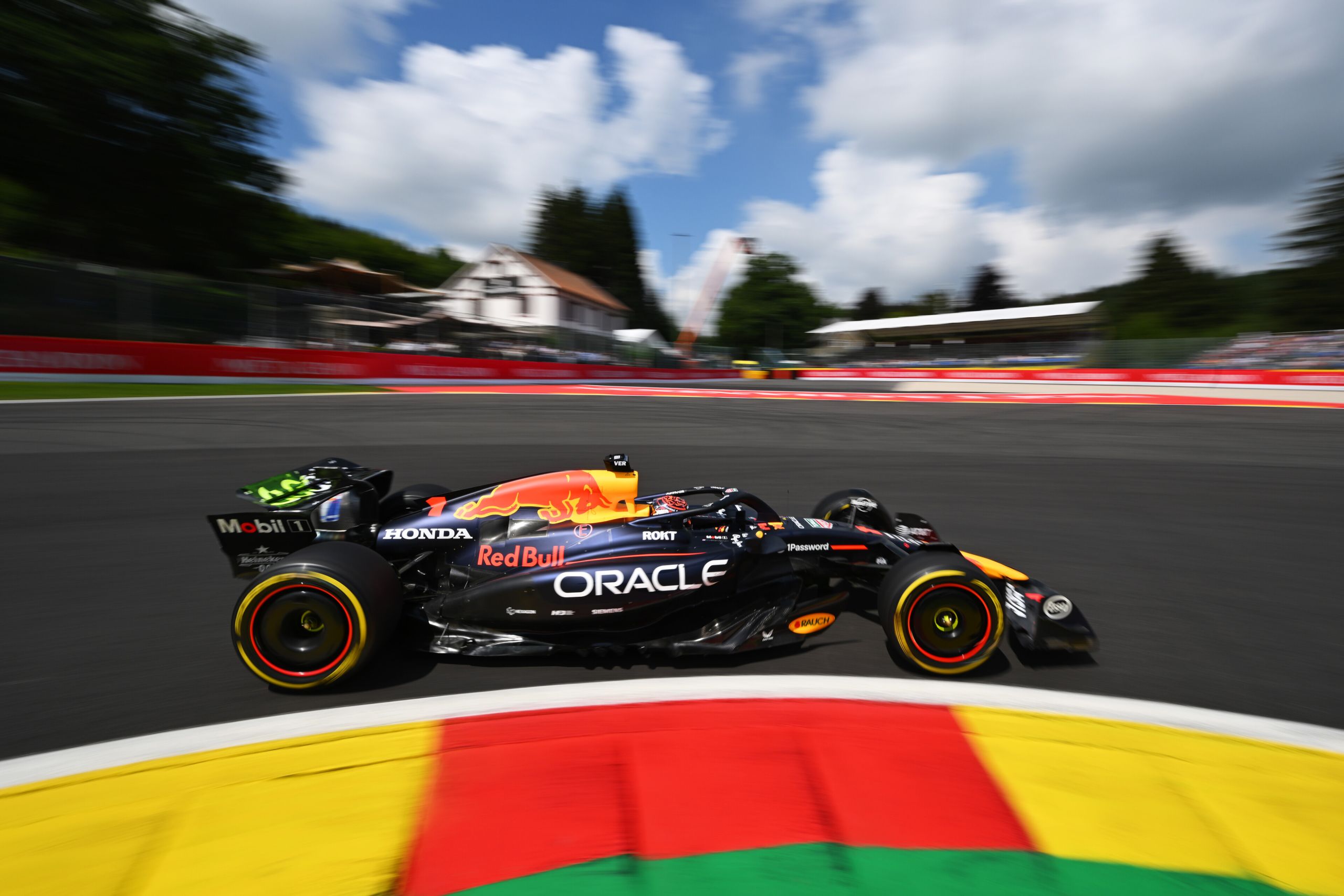
Unlike regular cars, F1 cars do not have a traditional clutch pedal. Their gearboxes and controls work differently.
Semi-automatic Gearboxes
Semi-automatic gearboxes in F1 cars let drivers change gears fast without a clutch pedal. The system uses electronics and hydraulics.
Drivers move the gear lever or paddles to shift gears. The gearbox changes gears automatically, making shifts smooth and quick.
- Gear changes happen in milliseconds
- No need to press a clutch pedal
- Improves car acceleration and control
Paddle Shifters Explained
Paddle shifters are small levers behind the steering wheel. Drivers use them to shift gears up or down easily.
Paddles send signals to the gearbox to change gears. This system helps drivers keep both hands on the wheel at all times.
- Right paddle shifts up a gear
- Left paddle shifts down a gear
- Faster and safer gear changes
Presence Of Clutch Pedal In F1
Formula 1 cars do not have a traditional clutch pedal like normal cars. The driving controls in F1 cars are very different. This is because F1 cars use advanced technology for shifting gears.
Understanding how F1 drivers control the clutch helps explain why the pedal is absent. The design focuses on speed and efficiency during races.
Why Traditional Clutch Pedals Are Absent
F1 cars use a semi-automatic gearbox controlled by paddles on the steering wheel. This system removes the need for a clutch pedal. The gearbox shifts gears very fast and smoothly.
- Traditional clutch pedals take up space and add weight.
- Semi-automatic gearboxes improve shifting speed.
- Removing the clutch pedal reduces driver effort.
- Modern systems use electronic controls for better precision.
How Drivers Control Clutch
Drivers use a clutch only at the start of the race or when leaving the pit lane. The clutch is controlled by a small paddle or lever on the steering wheel. This allows the driver to manage the clutch without a pedal.
| Clutch Use | Control Method |
|---|---|
| Race start | Steering wheel paddle or lever |
| Leaving pit lane | Steering wheel paddle or lever |
| Gear shifting | Automatic, no clutch needed |
Credit: f1chronicle.com
Starting And Shifting In F1
F1 cars have a clutch, but it is not like a normal car clutch. It is used only at the start of the race. Drivers use paddles to shift gears during the race.
Understanding how the clutch and gear changes work helps explain the speed and control of F1 cars on the track.
Clutch Use At Race Start
F1 cars have a clutch pedal, but drivers only use it when starting the race. The clutch helps get the car moving from a standstill.
The driver presses the clutch to release power smoothly to the wheels. This prevents the engine from stalling and helps gain good traction.
- Clutch pedal is used to start the car
- It controls power delivery to the wheels
- Drivers release the clutch carefully for a fast launch
Gear Changes During The Race
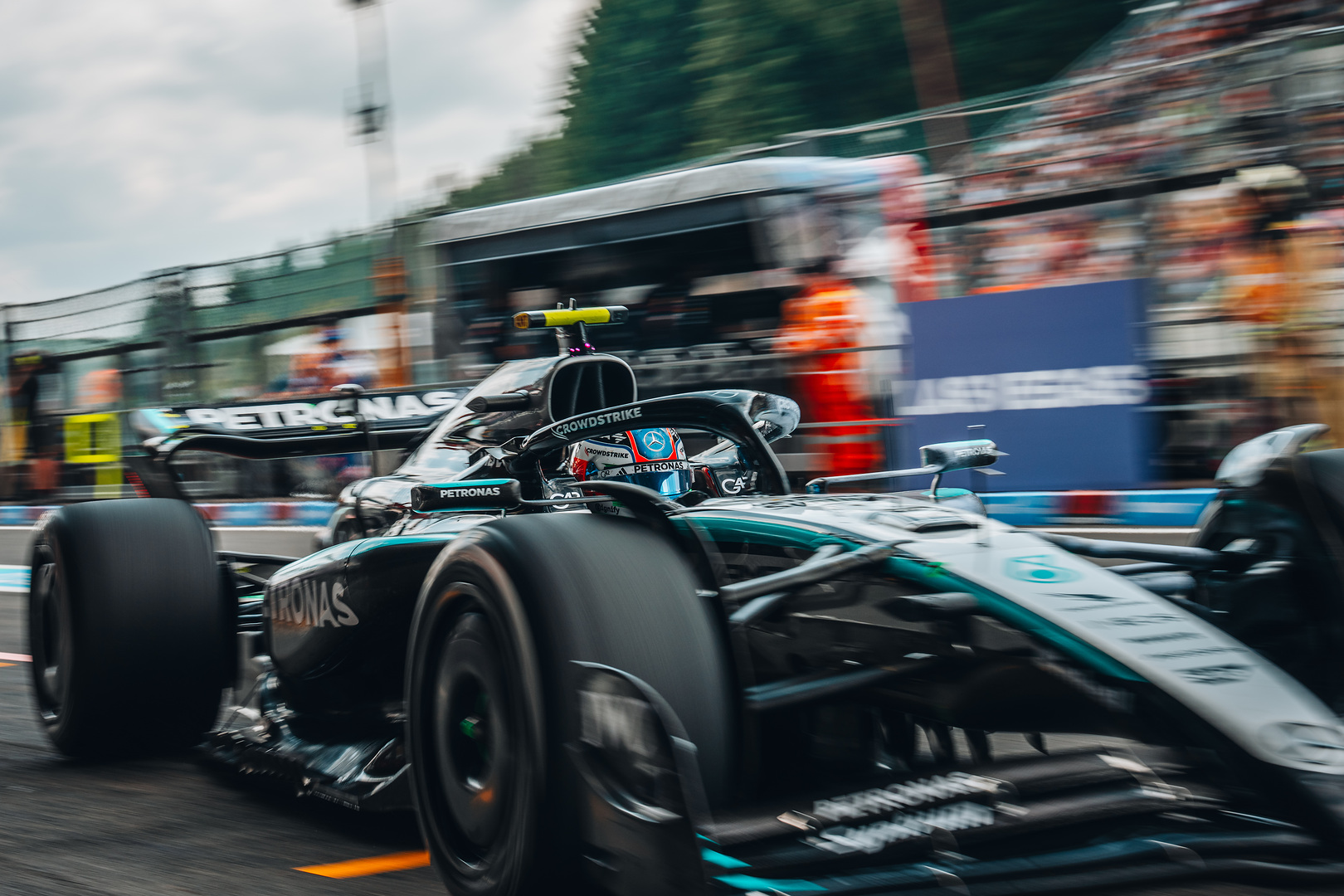
During the race, F1 drivers do not use the clutch pedal to change gears. They use paddle shifters behind the steering wheel.
Gear shifts are very fast and automated. The car’s computer controls the clutch inside the gearbox to change gears smoothly.
- Paddle shifters control gear changes
- Internal clutch operates automatically
- Shifts happen in milliseconds without slowing down
Advantages Of Modern Clutch Systems
Modern clutch systems in F1 cars help drivers change gears quickly and smoothly. These systems improve the car’s overall performance and control.
Unlike traditional clutch pedals, modern systems use advanced technology to make driving easier and more efficient on the track.
Performance And Efficiency
Modern clutch systems allow faster gear shifts. This means the car can accelerate better and use fuel more wisely.
These systems reduce wear on the engine and gearbox. This helps the car last longer during races.
- Quick gear changes improve lap times
- Smooth shifts protect engine parts
- Better fuel use extends race distance
Driver Focus And Control
Modern clutch systems let drivers keep both hands on the wheel. This increases safety and control during high-speed racing.
Drivers can focus more on steering and braking instead of managing a clutch pedal. This helps them react faster to track conditions.
- Hands stay on the wheel for better control
- Less distraction during critical moments
- Improved focus leads to better driving

Credit: f1chronicle.com
Future Of Clutch In F1
F1 cars used to have a clutch pedal for starting and shifting. Today, most F1 cars use paddle shifters. These paddles control gear changes electronically.
The clutch still plays a role but in a different way. It is often managed by the car’s computer systems. Let’s explore what the future holds for clutch use in F1.
Technological Innovations
F1 teams use advanced technology to improve clutch performance. Electronic clutch systems help drivers shift faster and smoother. This reduces wear and saves time during races.
New materials and sensors also make clutches lighter and more reliable. These innovations help cars accelerate better and reduce fuel use. Automation is a key part of these changes.
- Electronic control units manage clutch engagement
- Lightweight materials improve speed and durability
- Sensors provide real-time data for better adjustments
Potential Changes Ahead
Future F1 cars might use even less manual clutch control. Fully automated systems could replace clutch pedals. This would help drivers focus more on steering and strategy.
Rule changes could also affect clutch use. New regulations may limit manual controls to make racing safer and fairer. This could speed up the shift to electronic systems.
- Manual clutch pedals may become rare or disappear
- More automation in gear shifting expected
- FIA rules might set new limits on clutch use
Frequently Asked Questions
Do F1 Cars Have A Traditional Clutch Pedal?
No, modern F1 cars do not have a traditional clutch pedal. Drivers use paddle shifters behind the steering wheel to change gears. The clutch is electronically controlled and only used during race starts and pit stops.
How Do F1 Drivers Start Without A Clutch Pedal?
F1 cars use a semi-automatic gearbox with an electronic clutch system. Drivers control the clutch via paddles and buttons for precise starts. This system allows quick and smooth launches without a physical clutch pedal.
Can F1 Drivers Manually Control The Clutch?
Yes, but only during race starts or pit stops. The clutch is electronically managed and engaged using paddles or buttons. During normal racing, gear changes happen automatically without clutch input.
Why Don’t F1 Cars Have A Clutch Pedal?
Removing the clutch pedal saves space and reduces driver workload. Electronic clutch systems improve gear shift speed and precision. This technology enhances performance and safety on the track.
Conclusion
F1 cars don’t have a traditional clutch pedal. Instead, they use paddle shifters. Drivers control these with their hands. This design improves speed and efficiency. It also helps drivers focus on racing. Technology in F1 evolves constantly. Engineers seek ways to enhance performance.
Understanding these changes helps fans appreciate the sport. F1 racing remains exciting and innovative. The absence of a clutch pedal is just one example. It shows how technology shapes the racing world. Fans can look forward to more advancements. Racing enthusiasts enjoy seeing how cars adapt.
The thrill continues as technology advances.