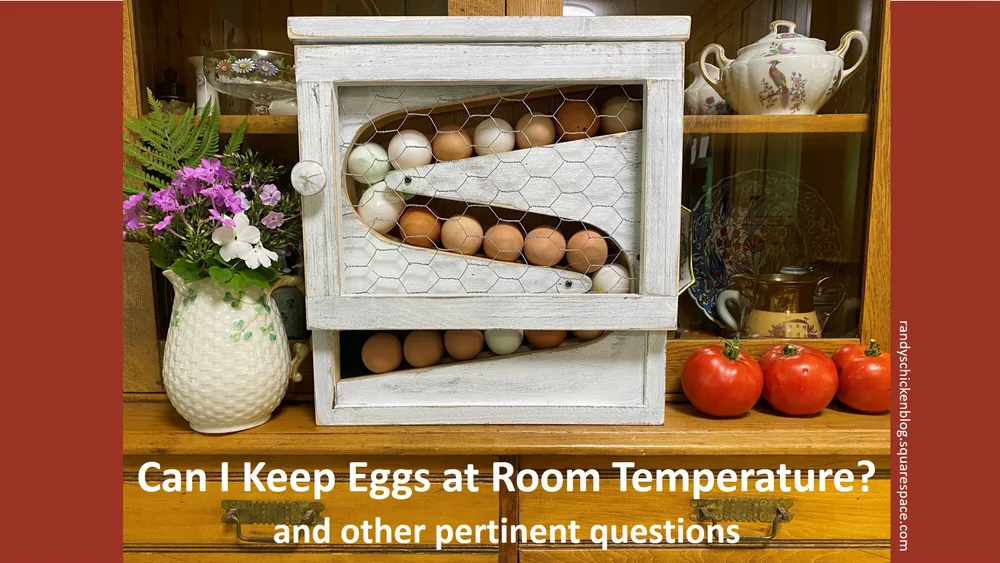
Are you wondering if the fresh eggs from your local farm need to be kept in the fridge? You’re not alone.
Many people ask this question because farm eggs often look different from store-bought ones. The way you store your eggs can affect their taste, freshness, and safety. You’ll discover the simple facts about farm eggs and refrigeration. By the end, you’ll know exactly how to keep your eggs fresh and enjoy them safely every time.
Keep reading—you might be surprised by what you learn!
Farm Eggs Vs Store Eggs
Farm eggs and store eggs differ in many ways, especially in how they are handled after being laid. These differences affect whether eggs need to be refrigerated or not. Understanding these distinctions helps in knowing the best way to store eggs safely and keep them fresh longer.
How Eggs Are Processed
Farm eggs usually go straight from hens to the basket. They are not processed much. Store eggs go through cleaning, grading, and packaging. This process removes dirt and bacteria but also affects the egg’s natural defenses.
Natural Protective Coating
Farm eggs have a natural coating called the “bloom” or “cuticle.” This coating protects eggs from bacteria and keeps moisture inside. It works like a shield, helping eggs stay fresh without refrigeration for some time.
Washing And Its Effects
Store eggs are washed to meet safety standards. Washing removes the natural coating. Without this protection, eggs become more vulnerable to bacteria. This is why store eggs need to be refrigerated to stay safe and fresh.

Credit: www.reddit.com
Why Refrigeration Matters
Understanding why refrigeration matters for farm eggs can change how you store them at home. Eggs are natural and fragile, and their safety depends a lot on how you handle temperature. Let’s look at the key reasons refrigeration plays a crucial role in keeping your eggs safe and fresh.
Preventing Bacterial Growth
Bacteria like Salmonella can grow quickly on eggs left at room temperature. Refrigeration slows down this growth, reducing the risk of foodborne illness. Even if your eggs come straight from a farm, chilling them soon after collection is the best way to keep harmful bacteria at bay.
Shelf Life Differences
Have you noticed how fresh eggs last longer in the fridge? Room temperature can cause eggs to spoil within a week or two. Refrigerated eggs, on the other hand, often stay fresh for three to five weeks, giving you more time to enjoy them without worry.
Temperature Fluctuations
Eggs are sensitive to changing temperatures. Moving eggs in and out of the fridge can cause condensation, which encourages bacterial growth. Keeping eggs consistently cold helps maintain their quality and safety, avoiding those nasty surprises in your omelet.
Global Egg Storage Practices
Egg storage practices differ worldwide due to climate, regulations, and traditions. These practices affect whether farm eggs need refrigeration. Understanding global methods helps explain why some countries refrigerate eggs and others do not.
Egg freshness and safety depend on how eggs are handled after laying. Some places wash eggs thoroughly, while others leave the natural coating intact. This coating helps protect eggs from bacteria and moisture loss.
Egg Storage In The Us
In the United States, eggs are washed and sanitized before sale. This process removes the protective coating. Without it, eggs become more vulnerable to bacteria. Refrigeration is required to keep eggs safe and fresh.
Supermarkets store eggs in refrigerators. Consumers are advised to keep eggs cold at home. The USDA recommends storing eggs below 45°F (7°C). This practice helps prevent salmonella growth.
European Approaches
Europe uses a different method. Eggs are rarely washed after collection. The natural coating stays on the shell. This layer protects eggs from bacteria and moisture loss.
Many European countries store eggs at room temperature in stores. Refrigeration is less common in shops. Consumers often keep eggs on kitchen counters at home. This method works because the eggshell barrier is still intact.
Other Country Methods
In some Asian and African countries, eggs are stored at room temperature too. Farmers often sell fresh eggs directly without washing. The eggshell’s coating remains, helping preserve freshness.
In warmer climates, people may refrigerate eggs to extend shelf life. In cooler climates, eggs stay fresh without refrigeration for several weeks.
Storage habits vary widely. Local climate, hygiene standards, and consumer habits shape egg storage choices worldwide.

Credit: grubblyfarms.com
Safe Handling Tips For Farm Eggs
Handling farm eggs safely is important to keep them fresh and free from bacteria. Eggs from farms can have different care needs than store-bought eggs. Following some simple tips helps protect your health and keeps eggs tasty.
When To Refrigerate
Farm eggs have a natural coating called the bloom. It helps keep out bacteria. If you keep this coating intact, eggs can stay fresh longer without refrigeration. Refrigerate eggs if:
- You have washed or cleaned the eggs.
- The eggs will not be used within two weeks.
- Your home is warm or humid.
- You want to store eggs for a long time.
Refrigeration slows down bacteria growth and keeps eggs safe.
Cleaning Eggs Properly
Cleaning eggs removes dirt and bacteria. Avoid washing eggs right after collecting. Washing can remove the protective bloom. Clean eggs only if needed, just before use. Use warm water, warmer than the egg temperature. Gently rub with a soft cloth or brush. Avoid soaking eggs in water. Dry eggs with a clean towel before storing.
Storage Containers And Locations
Store eggs in clean, dry containers. Egg cartons or trays work well. Keep eggs with the pointed end down to keep yolks centered. Place containers in a cool, dry area if unrefrigerated. Avoid storing eggs near strong-smelling foods. Eggs can absorb odors. If refrigerated, keep eggs in their carton on a middle shelf. Avoid the refrigerator door to maintain stable temperature.
Common Myths About Farm Eggs
Many people believe certain things about farm eggs that are not true. These myths can cause confusion about egg storage and safety. Knowing the facts helps keep eggs fresh and safe to eat.
Eggs Can Last Forever Outside
Some think farm eggs never spoil if kept outside the fridge. Eggs do lose freshness over time. Without refrigeration, bacteria can grow faster. It is best to store eggs in a cool place. Refrigeration slows down spoilage and keeps eggs safe longer.
Washing Eggs Always Helps
Washing eggs may seem like a good idea to clean them. But washing can remove the egg’s natural protective layer. This layer stops bacteria from entering. Washed eggs need quick refrigeration to stay fresh. It is better to keep eggs clean by storing them properly, not washing them right away.
Farm Eggs Are Always Safer
Many believe farm eggs are safer than store-bought eggs. Safety depends on how eggs are handled and stored. Farm eggs can carry bacteria if not cared for well. Proper cleaning and refrigeration matter more than origin. Always check eggs before use, no matter where they come from.

Credit: practicalselfreliance.com
Frequently Asked Questions
Do Farm Eggs Need Refrigeration Immediately?
Farm eggs can be stored at room temperature if unwashed. Washing removes the protective bloom, requiring refrigeration to prevent bacteria growth. Unwashed eggs last longer outside the fridge, but refrigeration extends shelf life and safety.
Why Are Some Eggs Refrigerated And Others Not?
Commercial eggs are washed, removing their natural coating. This makes refrigeration necessary to avoid contamination. Farm-fresh, unwashed eggs keep their protective layer and can be stored safely without refrigeration for weeks.
How Long Can Farm Eggs Stay Unrefrigerated?
Unwashed farm eggs can stay fresh for about two weeks at room temperature. After washing, refrigeration is necessary to keep them safe. Proper storage in a cool, dry place extends their freshness.
Does Refrigeration Affect Farm Egg Taste Or Quality?
Refrigeration does not significantly change the taste or quality of farm eggs. It helps maintain freshness and slows spoilage. Some people believe room temperature eggs cook better, but safety is the priority.
Conclusion
Farm eggs can stay fresh without refrigeration for a short time. This depends on how they are handled and stored. Keeping eggs in a cool, dry place helps maintain their quality. Washing eggs removes their natural coating, so refrigeration becomes important then.
Always check eggs for cracks or odors before use. Storing eggs properly keeps them safe and tasty. Remember, fresh farm eggs have different needs than store-bought ones. Simple care goes a long way in enjoying your eggs every day.