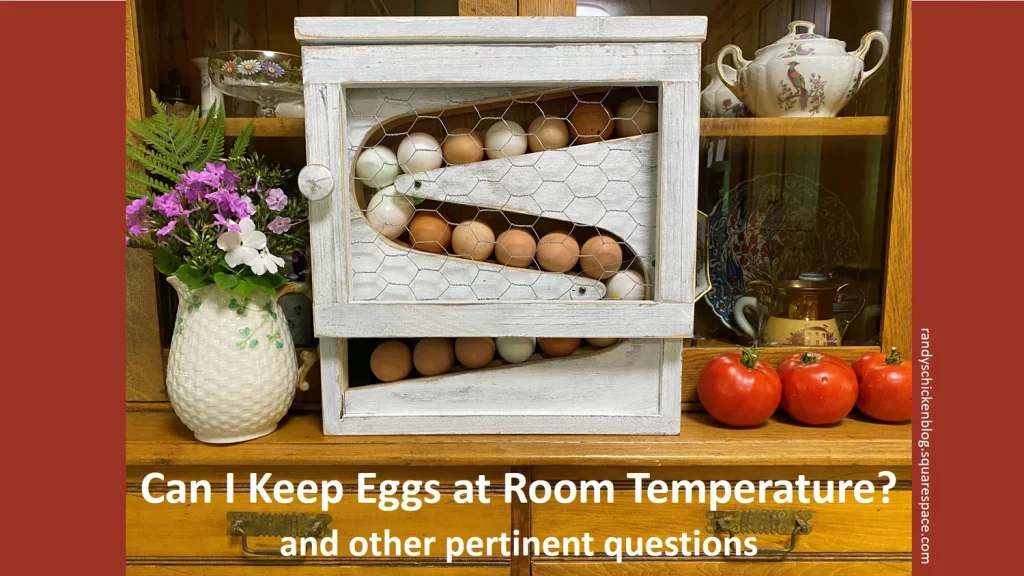
When you think about farm fresh eggs, you might picture a basket of beautiful, multicolored eggs sitting on a rustic kitchen counter. But then you wonder—do these fresh-from-the-farm eggs actually need to be refrigerated?
If you’re like most people, you’ve probably pondered this at least once. As you crack open the mystery of egg storage, imagine the peace of mind you’ll have once you know exactly what to do with your eggs. This knowledge isn’t just practical; it’s empowering.
By the end of this article, you’ll feel confident in your egg-storing decisions, ensuring your eggs stay fresh, safe, and delicious. So, let’s dive in and uncover the truth behind the best way to store your farm fresh eggs.

Credit: ayersvalleyfarmmeats.com
Farm Fresh Eggs Vs Store Eggs
Understanding the difference between farm fresh eggs and store-bought eggs can change how you handle and store them. These eggs might look similar, but their journey from the hen to your kitchen is quite different. Knowing these differences helps you decide if refrigeration is necessary for your eggs.
Differences In Processing
Store eggs go through a strict cleaning and sanitizing process. They are washed with water and detergents to remove dirt and bacteria. This cleaning removes the natural layer that protects the egg, making refrigeration important to keep them fresh.
Farm fresh eggs usually skip this heavy washing. They might be gently brushed or left with some natural residue. Because of this, they often keep their natural protective coating intact, which affects how you store them.
Natural Protective Coating
Farm fresh eggs have a natural layer called the “bloom” or cuticle. This coating seals tiny pores on the eggshell and blocks bacteria from entering. It acts like a natural shield, which can keep eggs fresh without refrigeration for a short time.
Store eggs lose this coating during cleaning. That’s why they must be kept cold to prevent bacteria growth. If you’ve ever wondered why your farm eggs don’t spoil as fast as store eggs on the counter, this natural coating is the reason.
Have you noticed how farm fresh eggs feel different or look less shiny than store eggs? That’s often a sign they still carry their natural protection. So, how do you handle eggs in your kitchen? Would you try keeping some at room temperature to see the difference yourself?
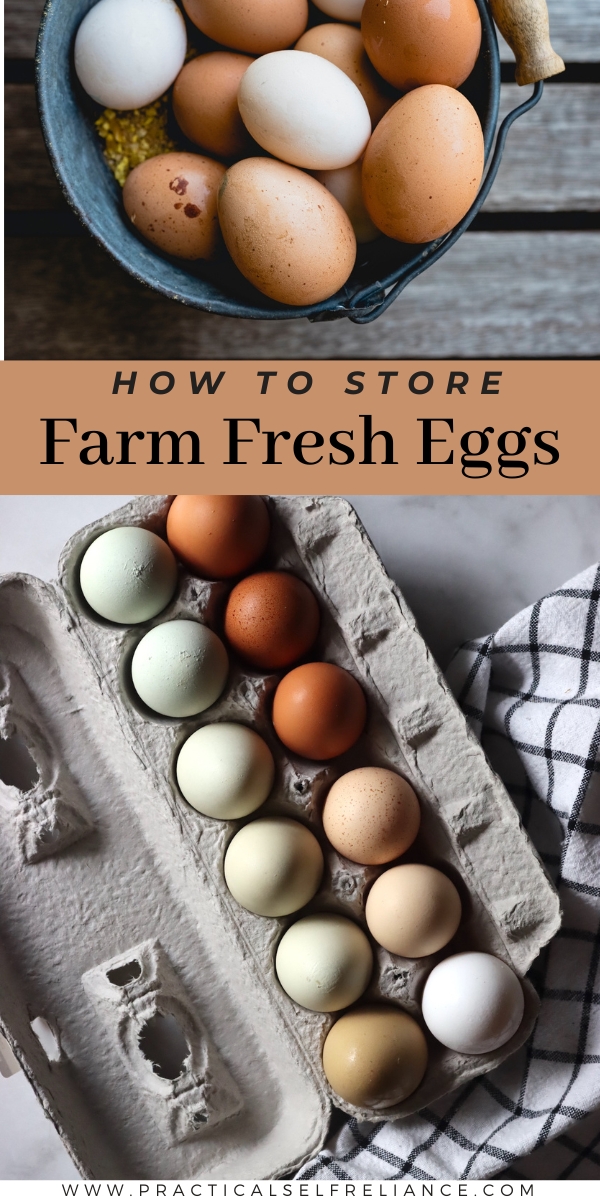
Credit: practicalselfreliance.com
Egg Storage Practices Worldwide
Egg storage practices vary widely around the world, influenced by local farming methods, food safety regulations, and cultural habits. Understanding these differences can help you decide the best way to store your farm fresh eggs, especially if you’re used to one method but curious about another. How do you keep your eggs fresh and safe at home?
Refrigeration Norms In The Us
In the United States, refrigeration of eggs is standard practice. This is largely because eggs are washed before sale, which removes the protective natural coating, making them more vulnerable to bacteria.
Refrigerating eggs slows bacterial growth and extends shelf life, often up to 5 weeks. If you buy farm fresh eggs locally, you’ll notice sellers often recommend keeping them in the fridge right away.
Many people find it convenient to store eggs in their original carton inside the fridge door. This prevents them from absorbing strong odors and helps maintain consistent temperature.
Room Temperature Storage In Other Countries
In many European and Asian countries, eggs are not refrigerated in stores or homes. This is possible because eggs are not washed, keeping the natural protective layer intact.
Storing eggs at room temperature, typically around 20°C (68°F), is common and safe for up to three weeks. The natural coating prevents bacteria from entering the shell, so refrigeration isn’t necessary.
Have you ever wondered why supermarket eggs in Europe look different from those in the US? Their storage method affects not just freshness but also how you handle eggs at home.
- Room temperature storage saves fridge space and energy.
- It encourages faster use, reducing waste.
- However, once refrigerated, eggs should remain cold to avoid condensation and spoilage.
Why Refrigerate Farm Fresh Eggs?
Farm fresh eggs come directly from hens and often lack the protective coatings found on store-bought eggs. This difference makes refrigeration important to keep eggs safe and fresh. Understanding why refrigeration matters helps you store eggs properly and enjoy them longer.
Preventing Bacterial Growth
Eggs can carry bacteria like Salmonella on their shells. Refrigeration slows down bacterial growth. Cold temperatures keep eggs safer for consumption. Without refrigeration, bacteria multiply faster, increasing health risks. Keeping eggs in the fridge limits harmful bacteria and protects your family.
Extending Shelf Life
Refrigeration keeps eggs fresh longer. Cool temperatures slow down the natural aging process. Eggs stay firm and maintain their quality for weeks. Without refrigeration, eggs spoil quickly and develop off smells. Storing eggs in the fridge helps you use them before they go bad.

Credit: grubblyfarms.com
When Refrigeration Might Not Be Necessary
Not all farm fresh eggs demand a spot in the fridge right away. Understanding when refrigeration might not be necessary can help you manage your eggs better and reduce waste. Let’s look at the conditions that can keep your eggs safe and fresh without chilling.
Freshness And Timing
Eggs that come straight from a healthy hen and are collected daily don’t need immediate refrigeration. The key is how soon you plan to use them. If you eat your eggs within a week or so, storing them at room temperature is usually fine.
Have you noticed how quickly eggs from the grocery store must be refrigerated? That’s because they’ve often been washed and stored for longer periods before sale. Your farm fresh eggs, if unwashed and fresh, maintain their natural protective coating, which helps keep bacteria out.
Proper Handling And Cleaning
Handling eggs carefully can make a big difference. Avoid washing eggs right after collection unless necessary, as washing removes the protective bloom that keeps eggs fresh. Instead, clean them gently with a dry cloth or brush only if visibly dirty.
If you do clean them, it’s best to refrigerate the eggs afterward to prevent contamination. Always store eggs with the pointed end down to keep the yolk centered and extend freshness. Simple steps like these reduce the need for immediate refrigeration and keep your eggs safe longer.
Tips For Storing Farm Fresh Eggs Safely
Storing farm fresh eggs safely keeps them fresh and tasty longer. Proper storage stops bacteria and protects the eggs’ quality. Follow simple rules to handle and keep eggs in the best condition.
Ideal Temperature And Humidity
Keep eggs at a steady, cool temperature. The best range is between 33°F and 40°F (1°C to 4°C). Store eggs in the main part of the fridge, not the door. The fridge door opens often and causes temperature changes. Maintain humidity around 70% to stop eggs from drying out. Use a container or carton to protect eggs from strong smells and moisture loss.
Avoiding Cross Contamination
Always store eggs away from raw meat and seafood. These foods carry bacteria like Salmonella, which can spread to eggs. Use clean hands and utensils when handling eggs. Wash surfaces and containers that touch eggs with hot, soapy water. Keep eggs in their original carton to reduce exposure. Avoid washing eggs before storing; washing removes the natural protective coating.
Expert Opinions On Egg Storage
Understanding how to store farm fresh eggs can be confusing, especially when expert opinions vary. Different professionals offer unique insights based on their background and experience. Let’s look at what food safety specialists and farmers say about refrigerating eggs.
Food Safety Specialists
Food safety experts emphasize the importance of refrigeration to reduce the risk of bacterial growth. They explain that in many countries, eggs are washed and sanitized before sale, which removes the protective coating. Without this coating, eggs become more vulnerable to contamination and spoilage if left at room temperature.
These specialists often recommend keeping eggs at or below 40°F (4°C). This practice slows down bacterial growth and extends shelf life. If you buy eggs from a supermarket, chances are they have been processed, so refrigeration is necessary.
Have you noticed that grocery store eggs always come refrigerated? This is no accident. It’s a safety measure recommended by health authorities like the USDA and CDC.
Farmers And Producers
Farmers who sell fresh eggs directly to consumers often have a different perspective. Many do not wash eggs before selling, preserving the natural protective layer called the “bloom.” This layer helps keep out bacteria and moisture, allowing eggs to be stored safely at room temperature for several weeks.
Some farmers suggest storing eggs in a cool, dry place rather than the fridge. They point out that refrigeration can cause condensation, which might encourage mold growth on the shell once eggs are taken out.
One farmer shared that customers who keep their eggs on the counter noticed they last longer and taste fresher. This personal experience challenges the common advice to always refrigerate.
So, how do you decide what’s best for your eggs? Consider where you got them and whether they’ve been washed. Your storage method should protect the eggs while matching their handling history.
Frequently Asked Questions
Do Farm Fresh Eggs Need Refrigeration Immediately?
Farm fresh eggs can be stored at room temperature for up to two weeks. Refrigeration is recommended after washing to prevent bacteria growth. Unwashed eggs have a natural protective coating that helps preserve freshness without refrigeration.
Why Do Store-bought Eggs Require Refrigeration?
Store-bought eggs are washed and sanitized, removing their protective coating. This process makes them more vulnerable to bacteria. Refrigeration slows bacterial growth and extends shelf life, ensuring safety and freshness.
How Long Can Farm Fresh Eggs Last Unrefrigerated?
Unrefrigerated farm fresh eggs can last about two weeks if unwashed and kept in a cool, dry place. Beyond that, refrigeration is advised to maintain quality and reduce health risks.
Does Washing Farm Fresh Eggs Affect Storage?
Yes, washing removes the egg’s natural bloom, exposing pores to bacteria. Washed eggs should be refrigerated immediately to prevent contamination and spoilage.
Conclusion
Farm fresh eggs can last longer without refrigeration if kept clean and dry. Their natural coating helps protect them from bacteria. Storing eggs in a cool, dry place slows spoilage. Remember, once eggs are washed, they need refrigeration to stay fresh.
Always check eggs for cracks before storing. Eating fresh eggs soon after collecting is best. Proper storage keeps eggs safe and tasty. Choose the method that fits your situation and enjoy fresh eggs confidently.