Are you wondering if fishing lures really need weights? You might think adding weight is just extra hassle, but the truth is, it can change your fishing game completely.
Whether you’re casting in shallow streams or deep lakes, the right weight on your lure affects how it moves and where it goes. Keep reading, and you’ll discover simple tips to help you catch more fish by choosing the perfect lure weight for your next trip.
Don’t miss out on this easy way to improve your fishing skills!

Credit: www.battlbox.com
Why Weight Matters In Fishing Lures
Fishing lures come in many shapes and sizes. One key feature that affects their performance is weight. The weight of a lure changes how it moves and how far you can cast it.
Understanding lure weight helps you choose the right lure for different fishing spots and conditions. It can improve your chances of catching fish by making your lure behave naturally in the water.
Impact On Casting Distance
Heavier lures fly farther when you cast. They cut through the air better and resist wind. This helps you reach spots that are far away or hard to access.
Lighter lures may not go as far. They can be affected by wind and may drop sooner. This limits where you can place your lure in the water.
- Heavier lures = longer casts
- Lighter lures = shorter casts
- Wind affects lighter lures more
Control Of Lure Depth
Weight helps control how deep your lure goes in the water. Heavy lures sink faster and reach deeper levels. This is useful when fish swim near the bottom.
Light lures stay near the surface longer. They work well for fish feeding near the top. You can choose lure weight based on the depth you want to fish.
- Heavy lure = sinks deep quickly
- Light lure = stays near surface
- Weight matches target fish depth
Influence On Lure Action
Weight affects how a lure moves underwater. Heavy lures have a steady fall and a strong pull. This action can attract certain fish species.
Light lures move more slowly and have a gentle wobble. This can mimic small prey and attract different fish. The right weight helps make the lure look natural.
- Heavy lure = strong, steady motion
- Light lure = slow, gentle movement
- Weight changes lure’s natural look
Types Of Weights For Fishing Lures
Fishing lures often need weights to sink properly. Different weights suit various fishing conditions.
Using the right weight can help you catch more fish. Let’s explore some common types of weights.
Split Shot Weights
Split shot weights are small, round, and easy to use. They clamp onto the fishing line.
These weights are adjustable. You can add or remove them to change the lure’s depth.
- Great for shallow waters
- Simple to attach and remove
- Ideal for beginners
Bullet Weights
Bullet weights are shaped like a bullet. They are perfect for fishing in weeds.
These weights help the lure move smoothly through water plants without getting stuck.
- Good for weedy areas
- Helps prevent snags
- Enhances casting distance
Sinker Beads
Sinker beads are small and round. They add little weight but make noise to attract fish.
These are used with other weights to create sound that draws fish closer.
- Produces noise in water
- Best with other weights
- Attracts curious fish
Inline Weights
Inline weights are long and slender. They fit inside the fishing line, making them nearly invisible.
These weights are used for deep water fishing and help keep the lure stable.
- Best for deep waters
- Maintains line stability
- Helps with precise casting
Choosing The Right Weight For Conditions
Fishing lures sometimes need weights to sink or cast better. The right weight helps your lure move well in water.
Choosing the right weight depends on the water, fish, and weather. Let’s look at these factors.
Water Depth And Current
Deep water needs heavier weights to reach fish quickly. Strong currents require more weight to hold the lure in place.
Light weights work in shallow water or slow currents. Too much weight can scare fish or make your lure sink too fast.
- Shallow water: use light weights
- Deep water: use heavier weights
- Strong currents: increase weight
- Calm water: lighter weight is better
Target Fish Species
Different fish swim at different depths. Some fish like lures near the surface. Others stay near the bottom.
Heavier weights help reach bottom feeders. Light weights work for fish near the top. Choose weight based on the fish you want.
- Bottom feeders: heavier weights
- Mid-water fish: medium weights
- Surface fish: light weights
Weather And Wind Effects
Wind can push your lure off course. A heavier weight helps cast farther and stay on target.
On calm days, lighter weights work well. In windy or stormy weather, add weight to keep control of your lure.
- Windy weather: use heavier weights
- Calm weather: use lighter weights
- Stormy conditions: increase weight for control
Techniques For Adding Weight To Lures
Adding weight to fishing lures helps control how they move in the water. It can make the lure sink faster or stay at the right depth. Different methods suit different fishing styles and conditions.
Below are common ways to add weight to your lures to improve their action and increase your chances of a catch.
Tying Weighted Rigs
Tying weighted rigs involves adding weight directly to your fishing line or rig. This method helps your lure reach deeper water quickly and stay stable.
- Use split shot sinkers by pinching them onto the line above the lure.
- Add sliding weights that move freely along the line for better casting distance.
- Attach egg sinkers for bottom fishing to keep the lure near the riverbed.
Using Weighted Hooks
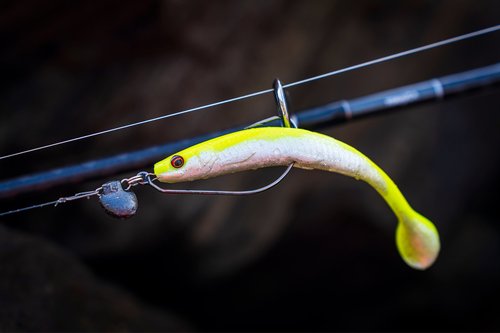
Weighted hooks have built-in weights that help your lure sink and move naturally. These hooks work well for soft plastic baits and jigs.
| Type of Weighted Hook | Best Use | Weight Range |
| Jig Head | Soft plastic lures | 1/16 to 1 ounce |
| Weighted Circle Hook | Live bait fishing | 1/8 to 3/4 ounce |
| Weighted Treble Hook | Hard baits like crankbaits | 1/16 to 1/2 ounce |
Attaching Removable Weights
Removable weights let anglers adjust lure weight quickly without changing the lure. They attach to the line or lure and can be added or removed as needed.
Common removable weights include:
- Clamp-on sinkers that attach to the lure body.
- Magnetic weights that stick to metal lures.
- Weighted beads threaded onto the line.
When To Fish Without Weights
Fishing lures often come with weights to help them sink or cast farther. But sometimes, you do not need to add extra weight. Fishing without weights can make your lure look more natural in the water.
Choosing when to fish without weights depends on the water conditions and the type of fish you want to catch. Let’s look at some common situations where fishing without weights works best.
Shallow Water Scenarios
In shallow water, lures with heavy weights can sink too fast or hit the bottom. This may scare fish or cause your lure to get stuck. Using unweighted lures helps keep your bait near the surface.
Fishing without weights in shallow water lets your lure move more naturally. Fish are more likely to strike when the lure looks real and not forced.
Topwater Fishing
Topwater fishing means casting lures that float on the water’s surface. These lures need to stay light to move correctly. Adding weights will make them sink and lose their action.
Using unweighted lures helps create splashes and ripples that attract fish. This technique is good early in the morning or late in the day.
Delicate Presentations
Some fish are wary and need gentle bait movement. Heavy lures can make big splashes that scare them away. Fishing without weights allows for soft, slow bait action.
Use unweighted lures when you want to imitate small insects or slow-moving prey. This method works well in clear water or when fish are picky.
Credit: www.henry-gilbey.com
Common Mistakes With Lure Weighting
Choosing the right weight for fishing lures is important. It affects how the lure moves and how deep it goes. Many anglers make simple mistakes with lure weighting.
This guide covers common errors to avoid. Learning these helps improve your fishing success.
Overweighting Lures
Using too heavy a weight can harm lure action. The lure might sink too fast or lose its natural movement. This can scare fish away instead of attracting them.
- Lure sinks too quickly and misses strike zones.
- Natural wobble or flutter gets lost.
- Fish may detect unnatural movement and avoid the lure.
- More strain on rod and line, causing less control.
Ignoring Water Conditions
Water conditions change how lures behave. Not adjusting weight for current, depth, or clarity is a big mistake. The lure may not reach the right spot or move properly.
| Water Condition | Effect on Lure | Weight Adjustment |
|---|---|---|
| Strong Current | Lure drifts fast | Use heavier weight to stay in place |
| Shallow Water | Lure may hit bottom | Use lighter weight to avoid snags |
| Clear Water | Fish can see lure well | Use natural action, avoid heavy weights |
| Muddy Water | Low visibility | Heavier or noisy lures help attract fish |
Neglecting Lure Action
Lure action is how the lure moves in water. Weight affects this action. Adding weight without thinking about the lure type can ruin its purpose.
Common effects of wrong weighting on lure action:
- Crankbaits lose their wobble and look stiff.
- Jigs sink too fast and lose their bounce.
- Spinnerbaits spin slower or stop spinning.
- Soft plastics lose their flutter and look fake.
Tips For Experimenting With Lure Weights
Choosing the right weight for fishing lures affects how they move in water. Testing different weights helps find what works best for your fishing spot.
Start light and change weights as you watch how fish respond. Keeping notes on what works saves time on future trips.
Starting Light And Adjusting
Begin with a light lure weight to see how it swims and sinks. Light lures move slower and look more natural in calm water.
- Use light weights in shallow water
- Watch how the lure sinks and moves
- Add weight gradually if the lure is too slow or does not reach the right depth
- Heavier lures work better in deep or fast-moving water
Observing Fish Behavior
Look at how fish react to your lure. Fish may prefer different weights depending on water and weather.
| Fish Behavior | Suggested Lure Weight | Reason |
| Slow following | Light | Lure moves naturally, not scaring fish |
| Quick strikes | Medium | Lure reaches fish faster for reaction bites |
| Deep hiding | Heavy | Lure sinks quickly to fish depth |
Recording Successful Setups
Keep a simple log of lure weights and conditions that worked well. This helps repeat success on later trips.
- Write down the lure weight used
- Note the water type and depth
- Record fish species and behavior
- Mark weather and time of day
- Review notes before your next fishing trip

Credit: www.reddit.com
Frequently Asked Questions
Do Fishing Lures Always Need Weights?
Not all fishing lures need weights. Weights help lures sink faster and reach desired depths. Some lures are naturally weighted or designed for surface fishing, making extra weights unnecessary. Choosing weighted lures depends on fishing style, target species, and water conditions.
How Do Weights Affect Lure Performance?
Weights improve lure casting distance and control sinking speed. They allow better depth targeting and help mimic natural bait movement. Proper weighting enhances lure action, increasing chances of attracting fish. Overweighting can reduce lure effectiveness and natural appearance.
Can I Add Weights To Any Fishing Lure?
Most fishing lures can have weights added, but compatibility varies. Soft plastic lures often require separate sinkers or weighted hooks. Hard baits may have internal weights or need external attachments. Always ensure added weights don’t alter lure balance or action negatively.
When Should I Avoid Using Weights On Lures?
Avoid weights when fishing shallow waters or using surface lures. Light or unweighted lures work best for topwater fishing and delicate presentations. Excess weight can scare fish or cause snagging in vegetation. Match lure weight to fishing conditions for optimal results.
Conclusion
Choosing the right weight for fishing lures affects your catch success. Weights help lures sink to the right depth and stay stable in the water. Different fishing spots and fish types need different weights. Experiment with weights to find what works best for you.
Remember, using no weight can work in some cases too. Keep your setup simple and adjust as needed. Enjoy fishing and learn from each trip. Small changes can make a big difference in your fishing results.