Have you ever wondered if fishing lures actually work at night? If you’re tired of guessing and want real answers that can improve your night fishing success, you’re in the right place.
Night fishing can be tricky, but using the right lures might just be the secret to landing more fish after dark. Keep reading, and you’ll discover how to choose and use lures that can turn your night fishing into a winning experience.
Why Fish Bite At Night
Fishing at night can be very different from daytime fishing. Fish behave in unique ways after dark. Understanding why they bite at night helps anglers catch more fish.
Fish have adapted their feeding habits to fit the night environment. This makes night fishing an exciting time to try different lures and techniques.
Nocturnal Feeding Habits
Many fish species feed more actively at night. Darkness offers them safety from predators and better chances to catch prey. Nighttime feeding is common in species like catfish, walleye, and bass.
- Fish use their sense of smell and lateral line to find food.
- They hunt smaller fish and insects that are active at night.
- Quiet water and less human activity make feeding easier.
- Some fish rest during the day and become active after sunset.
Reduced Light And Fish Behavior
Low light changes how fish see and move. Their vision adapts to darkness, and they rely more on other senses. This affects how and when they bite lures.
| Effect of Reduced Light | Fish Behavior |
|---|---|
| Less visibility | Fish stay near structures for cover |
| Improved night vision | Fish detect movement and shape better |
| Rely on smell and vibration | Fish follow scent trails to food |
| Lower human disturbance | Fish are more relaxed and active |
Influence Of Moonlight And Weather
Moonlight and weather affect how fish behave at night. Bright moonlight can increase activity, while cloudy nights may lower it. Wind and temperature also play roles.
- Full moon nights often lead to more feeding.
- Cloudy nights may make fish less active.
- Wind stirs water, bringing food to the surface.
- Cooler temperatures slow fish metabolism and feeding.

Credit: mysterytacklebox.com
Types Of Lures That Work Best
Fishing at night can be exciting and rewarding. Different lures attract fish even when it’s dark.
Let’s explore some types of lures that are effective for night fishing. Each has unique features to help catch more fish.
Glow-in-the-dark Lures
Glow-in-the-dark lures are popular for night fishing. These lures emit a soft light that attracts fish.
- Easy to charge with a flashlight
- Visible in murky waters
- Effective for deep-water fishing
Topwater Lures
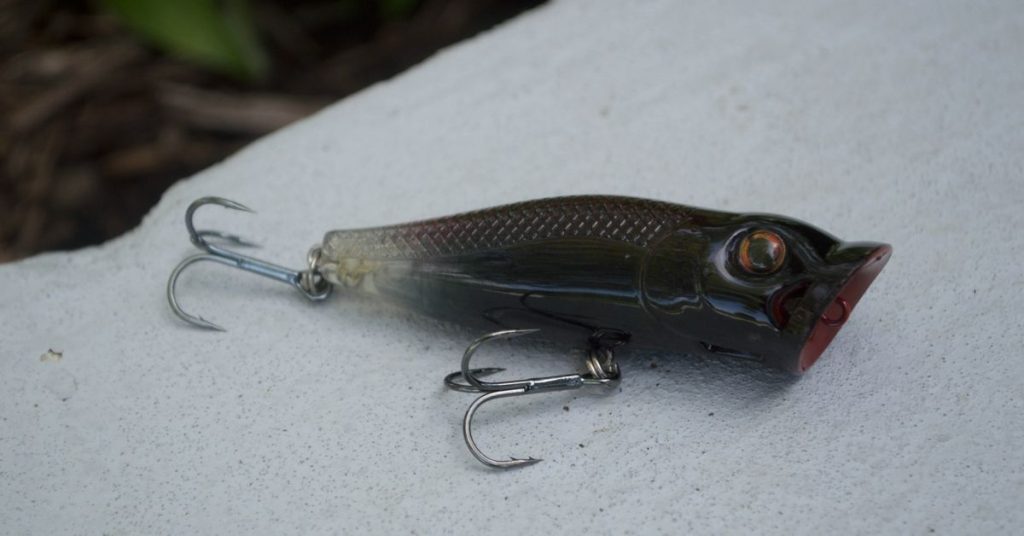
Topwater lures create splashes that mimic insects or small fish. These sounds attract fish to the surface.
Spinnerbaits And Crankbaits
Spinnerbaits and crankbaits are versatile for night fishing. Their movement and vibration lure fish effectively.
| Lure Type | Feature |
| Spinnerbaits | Reflective blades |
| Crankbaits | Vibrating motion |
Choosing Colors For Night Fishing
Fishing at night needs different lure colors than daytime. Fish see colors differently in low light. Choosing the right colors helps catch more fish.
Some colors stand out better in darkness. Others glow or reflect light to attract fish. Understanding these options improves your night fishing results.
High Contrast Colors
High contrast colors make lures easy to see at night. Dark colors combined with bright ones create a strong silhouette. This helps fish notice your lure in murky water.
- Black and white combinations
- Bright chartreuse with dark green
- Red paired with black
- Orange with dark blue
- Yellow against dark brown
These color pairs stand out well. They help fish spot your lure from a distance. Use these colors on larger lures for best effect.
Glow And Uv Reflective Options
Glow and UV reflective lures work by emitting light or reflecting UV rays. These lures attract fish by creating a visible glow in dark water. They are useful in very low light or cloudy water.
| Type | How It Works | Best Use |
| Glow Lures | Absorb light, then glow in dark | Night fishing in clear water |
| UV Reflective Lures | Reflect ultraviolet light from moon or lights | Cloudy or stained water |
| Combination | Glow plus UV reflective coating | Very dark or deep water |
Credit: www.battlbox.com
Techniques To Improve Night Fishing
Fishing at night can be very different from daytime fishing. Fish behave in unique ways after dark. Using the right techniques helps increase your chances of catching fish.
Night fishing needs patience and careful planning. Choosing the correct lure and fishing method is important. Below are some ways to improve your night fishing experience.
Slow And Steady Retrieval
At night, fish rely on senses other than sight. A slow and steady lure movement helps attract their attention. Quick movements can scare fish away in low light.
- Use a slow retrieval speed to imitate injured prey.
- Pause occasionally to let the lure sink and create a natural motion.
- Keep the lure close to the bottom where fish often feed at night.
Using Sound And Vibration
Sound and vibration help fish find lures in the dark. Some lures have built-in rattles or create noise when moved. These cues attract fish from a distance.
| Type of Lure | Sound/Vibration Feature | When to Use |
| Rattle Lures | Internal rattles that create noise | Murky or dark water |
| Blade Baits | Vibrations from metal blades | Moving water or currents |
| Crankbaits | Built-in rattles and wobbling action | Shallow to mid-depth areas |
Setting Up For Low Visibility
Low visibility at night means you need to prepare your fishing area well. Use lights and reflective gear to help manage your setup safely. Keep your fishing gear organized and easy to reach.
- Use a headlamp or lantern to keep hands free.
- Wear reflective clothing or tape for safety.
- Keep tackle boxes open and well-lit.
- Organize lures by type and size for quick access.
Safety Tips For Night Angling
Fishing at night can be exciting and peaceful. It also comes with risks that are not there during the day.
Knowing how to stay safe helps you enjoy night fishing without problems.
Proper Lighting And Gear
Good lighting helps you see your surroundings and avoid accidents. Use a headlamp or lantern to keep your hands free.
Wear reflective clothing or gear. It makes you visible to others and helps prevent accidents.
- Bring extra batteries for your lights
- Use waterproof gear to protect from moisture
- Wear non-slip shoes for safe footing
Navigational Aids
Night fishing makes it hard to see landmarks. Use a GPS device or a compass to stay on track.
Mark your fishing spot with glow sticks or lights so you can find it again easily.
- Carry a fully charged phone with GPS
- Use a map of the area before fishing
- Tell someone where you will fish and when you will return
Dealing With Weather Conditions
Weather can change quickly at night. Check the forecast before you go fishing.
Bring warm clothes and rain gear to stay dry and comfortable.
- Watch for strong winds or storms
- Have a plan to leave quickly if weather worsens
- Keep an eye on water levels and currents
Common Mistakes To Avoid
Fishing at night can be very different from daytime fishing. Many anglers make simple mistakes that reduce their chances of catching fish. Knowing what to avoid helps you fish smarter.
This guide covers common errors in night fishing lures. Avoid these to improve your success and enjoy your time on the water.
Overusing Bright Lights
Bright lights can scare fish away instead of attracting them. Using too many or very strong lights is a common error. Fish prefer dim light or natural moonlight.
- Use low-intensity lights to avoid startling fish.
- Place lights away from your fishing spot.
- Turn off lights when casting or waiting for a bite.
- Try red or blue lights as they are less disturbing.
Ignoring Local Fish Patterns
Fish behavior changes with location and season. Ignoring local patterns leads to poor lure choice and wrong fishing times.
| Fish Species | Active Time at Night | Preferred Lure Type |
|---|---|---|
| Catfish | Late Night | Soft Plastic, Scented Lures |
| Bass | Early Night | Spinnerbaits, Crankbaits |
| Walleye | Throughout Night | Jigs, Live Bait |
Research local fish habits before your trip. Talk to local anglers or check online forums. This helps you pick the right lure and fishing time.
Using The Wrong Lure Sizes
Size matters for lures. Using lures that are too big or too small can scare fish or fail to attract them.
- Match lure size to the fish you want to catch.
- Use smaller lures for cautious or smaller fish.
- Choose bigger lures to attract large predatory fish.
- Test different sizes to see what works best that night.

Credit: www.lurenet.com
Frequently Asked Questions
Do Fishing Lures Attract Fish At Night?
Yes, fishing lures can attract fish at night. Fish rely more on vibration and scent than sight. Glow-in-the-dark or reflective lures work best after dark.
Which Lures Work Best For Night Fishing?
Lures that glow, vibrate, or have reflective surfaces work best. Soft plastics, spinnerbaits, and crankbaits are popular night fishing choices. These lures mimic prey and trigger fish senses in low light.
How Important Is Lure Color For Night Fishing?
Color matters less at night because fish see poorly in darkness. Bright, glowing, or reflective colors improve lure visibility. UV or fluorescent colors can also increase lure effectiveness in low light.
Can Artificial Lures Replace Live Bait At Night?
Yes, artificial lures can effectively replace live bait at night. Lures that create movement or light attract fish similarly to live bait. They are easier to handle and can be reused multiple times.
Conclusion
Fishing lures can work well at night. Fish use their other senses to find bait. Bright or glowing lures often attract attention. Slow movements help mimic real prey in the dark. Choosing the right lure depends on the water and fish type.
Night fishing takes patience and some trial and error. Many anglers enjoy the quiet and challenge of night fishing. Trying different lures can lead to better catches. Night fishing can be rewarding and fun for all skill levels. Keep experimenting and enjoy your time on the water.