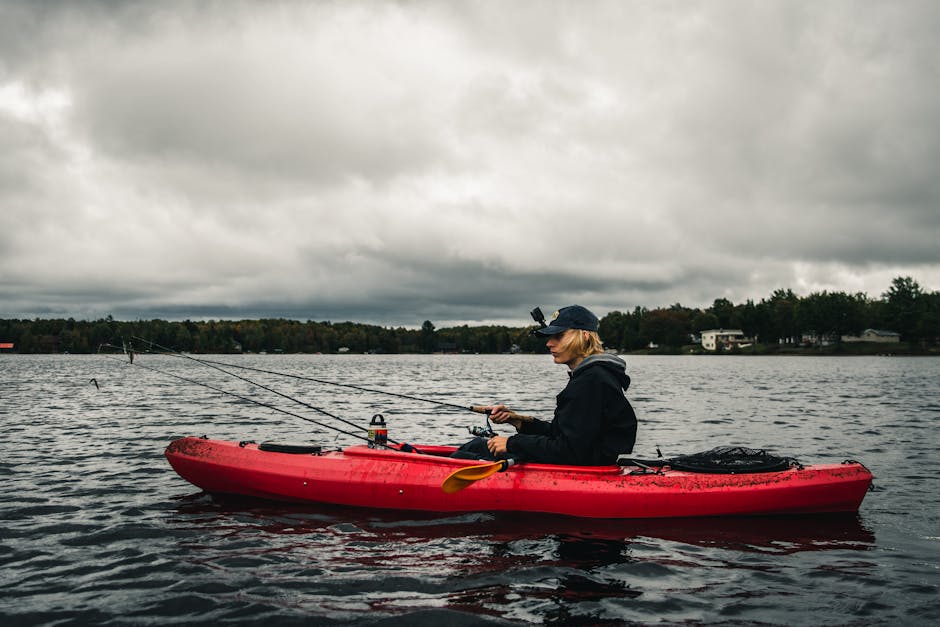
Have you ever dropped your fishing rod into the water and wondered, “Will it sink or float?” Knowing whether your fishing rod floats can save you from losing expensive gear and make your fishing trips less stressful. You’ll discover the truth about fishing rods and their buoyancy.
By the end, you’ll know exactly what to expect and how to keep your rod safe if it falls in the water. Keep reading—you won’t want to miss these simple tips that every angler should know.

Credit: ferrematerialesjimenez.com.mx
Floatation Basics
Fishing rods often raise a question: do they float on water? Floatation depends on several factors. These include the materials used and the rod’s design.
This guide explains how materials and design affect a fishing rod’s buoyancy. Understanding these basics helps anglers handle their gear better.
Materials Affecting Buoyancy
Fishing rods are made from different materials. Each material has its own density and weight. These traits decide if the rod will float or sink.
- Fiberglass rods are heavier but can float if sealed well.
- Graphite rods are light but usually sink due to higher density.
- Bamboo rods have natural buoyancy and often float.
- Foam-filled handles and tips increase floatation.
Rod Design And Weight
The shape and weight of a rod affect how it floats. Thin rods with hollow parts tend to float more easily. Heavy metal parts add weight and reduce floatation.
| Design Feature | Effect on Floatation |
| Hollow Rod Sections | Improves buoyancy by trapping air |
| Heavy Guides and Reel Seats | Increases weight, lowers floatation |
| Foam or Cork Handles | Adds positive buoyancy |
| Rod Length | Longer rods may be harder to float |
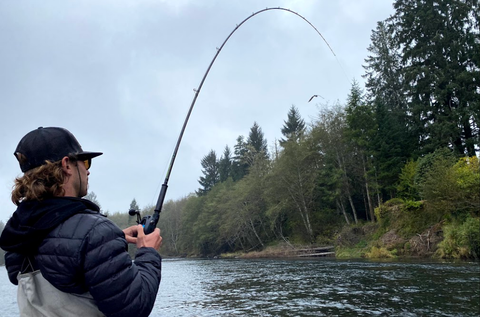
Credit: www.lamiglas.com
Types Of Fishing Rods
Fishing rods come in different types. Each type suits a specific fishing style. Understanding these rods helps you choose the right one.
Some rods float, but many do not. Knowing the rod type can tell you if it will float or sink.
Spinning Rods
Spinning rods are popular and easy to use. They have open-faced reels that hang below the rod. These rods work well for light and medium fishing.
Most spinning rods do not float because they are made from materials like graphite or fiberglass. These materials are strong but heavy and sink in water.
Casting Rods
Casting rods have reels on top and are good for accurate casting. They are used for heavier lures and bigger fish. These rods give better control when fishing.
Like spinning rods, casting rods usually do not float. Their materials make them sink if dropped in water. Floating rods are rare for casting style.
Fly Rods
Fly rods are thin and flexible. They help cast lightweight flies using the line’s weight. Fly fishing needs skill and special rods.
Fly rods often float because they are made from lightweight materials. Anglers sometimes use rod floats or attach float tubes to keep rods on the water surface.
When Rods Float Or Sink
Fishing rods can either float or sink in water. This depends on several factors. Understanding these helps anglers make informed choices.
Key factors include the rod’s material and any attached gear. Let’s explore how these elements affect buoyancy.
Impact Of Rod Components
The materials used in fishing rods greatly influence whether they float or sink. Common materials include graphite, fiberglass, and composite.
- Graphite rods are lightweight and may float.
- Fiberglass rods are heavier and often sink.
- Composite rods have mixed properties.
Effect Of Attached Gear
Attached gear also plays a role. Items like reels and lures add weight to the rod. This can affect its buoyancy.
| Gear Type | Impact on Buoyancy |
| Lightweight reel | May help rod float |
| Heavy lure | Likely to make rod sink |
Credit: www.anglingtimes.co.uk
Choosing Rods For Water Safety
Fishing near or on water requires careful gear choices. Choosing the right rod can help keep you safe if it falls in the water.
Floating rods and accessories stop you from losing gear and can prevent dangerous situations. Safety starts with smart rod selection.
Floating Rods For Kayak Fishing
Floating rods are made with materials that keep them on the water surface. These rods are important for kayak fishing where dropping a rod is easy.
- Use rods with foam handles to add buoyancy.
- Pick rods made from lightweight, floatable materials.
- Choose rods with bright colors to spot easily in water.
- Consider rods with sealed reel seats to prevent water damage.
Rod Accessories That Float
Floating rods are not enough alone. You need accessories that float to keep your fishing gear safe and close.
| Accessory | Purpose | Material |
| Floating Rod Leash | Keeps rod attached to kayak | Foam and nylon |
| Rod Float Tube | Protects rod and floats if dropped | Closed-cell foam |
| Floating Reel Covers | Protect reel and add buoyancy | Neoprene |
| Foam Rod Grips | Add buoyancy to rod handles | Foam |
Tips To Prevent Rod Loss
Fishing rods can fall into water or get lost during fishing trips. Taking simple steps helps keep your rod safe. You can avoid losing your rod by using special tools and methods.
Using these tips protects your gear and saves money. It also makes fishing more enjoyable without worrying about losing your rod.
Using Rod Leashes
Rod leashes attach your fishing rod to your body or boat. They stop your rod from drifting away if it slips from your hands. Leashes are easy to use and add safety.
Many leashes have adjustable straps and strong clips. This keeps the rod secure without blocking your movement. You can fish in rough water with less risk of losing your rod.
- Attach one end to the rod handle
- Secure the other end to your wrist or boat
- Use strong clips for better hold
- Check leash condition before fishing
Floating Rod Holders
Floating rod holders keep your rod on the water surface if dropped. They prevent the rod from sinking and getting lost. These holders are useful for boat fishing and shore fishing.
They often have foam or buoyant materials that keep them afloat. You can attach the rod to the holder and relax without worrying about losing it.
- Choose holders made of buoyant foam
- Secure the rod firmly in the holder
- Use holders designed for your rod size
- Inspect holders regularly for damage
Frequently Asked Questions
Do Fishing Rods Float On Water?
Most fishing rods do not float naturally. Materials like graphite and fiberglass are denser than water. However, some rods have foam handles or floatation devices to help them stay afloat if dropped.
Why Don’t All Fishing Rods Float?
Fishing rods are made from materials denser than water. This density causes them to sink when dropped. Manufacturers prioritize strength and flexibility over buoyancy in rod design.
Can I Make My Fishing Rod Float?
Yes, you can add floatation aids like foam grips or float tubes. These attachments increase buoyancy and prevent the rod from sinking if accidentally dropped in water.
Are Floating Fishing Rods Available?
Yes, some manufacturers produce floating fishing rods. These rods include built-in buoyant materials or floatation devices. They are ideal for fishing in boats or near deep water.
Conclusion
Fishing rods do not usually float on water. Most rods are made from materials that sink. Some rods have foam handles or special parts that help them float a little. Still, if a rod falls in water, it often sinks quickly.
Anglers should use rod floats or keep a tight grip. This prevents losing expensive gear. Remember, knowing if a rod floats helps you stay prepared. Keep your fishing fun and safe with the right gear choices. Simple tips make a big difference on the water.