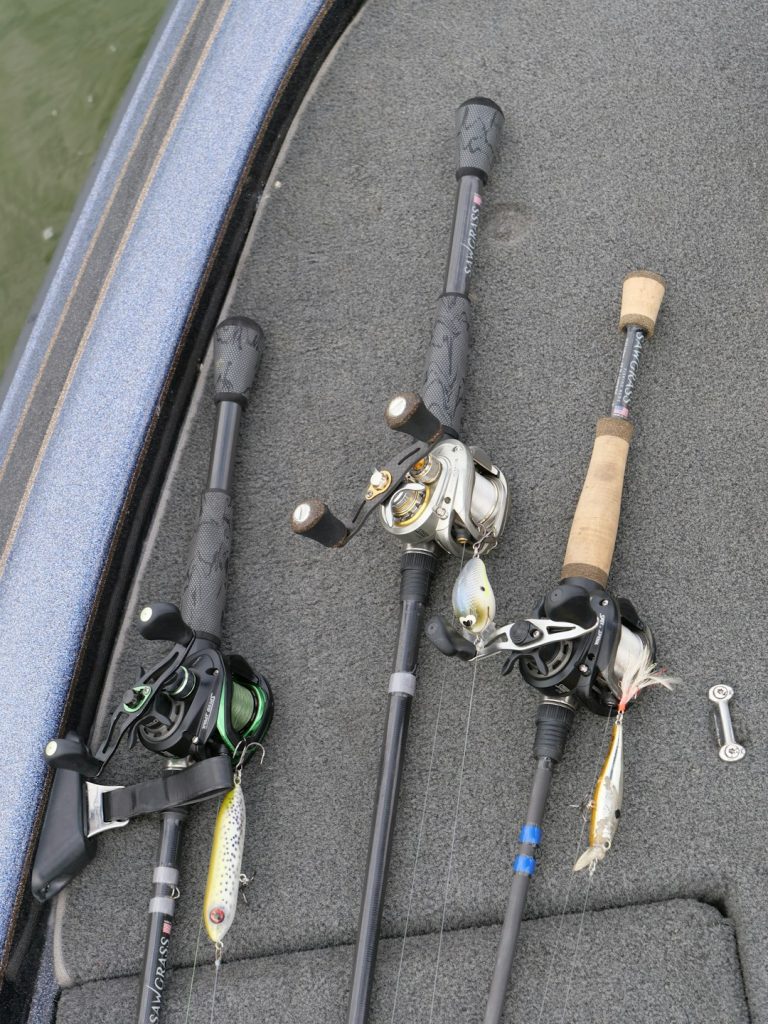
Have you ever dropped your fishing rod into the water and wondered if it would sink or float? Knowing whether your fishing rod floats can save you from losing your gear and help you fish smarter.
You’ll discover the truth about fishing rods and their buoyancy. Keep reading to find out what makes a rod float, how to choose one that won’t sink, and simple tips to protect your investment every time you fish. Don’t let a sinking rod ruin your day—let’s dive in and keep your gear safe!

Credit: www.mariner-sails.com
Do Fishing Rods Float?
Many anglers wonder if fishing rods float or sink when dropped in water. The answer depends on several factors.
This article explains what affects a fishing rod’s ability to float or sink.
Material Impact On Buoyancy
Fishing rods are made from materials that affect whether they float or sink. Some materials are lighter than water, while others are heavier.
- Graphite rods are light and often float.
- Fiberglass rods are heavier and may sink.
- Wooden rods usually float due to low density.
- Metal parts on rods add weight and lower buoyancy.
Design Factors Influencing Floatation
The shape and design of a fishing rod change how it floats. Hollow sections trap air, helping rods stay on the surface.
| Design Feature | Effect on Floatation |
|---|---|
| Hollow Rod Sections | Increase buoyancy, help float |
| Solid Rod Sections | Less buoyant, may sink |
| Rod Length | Longer rods have more surface area, can float better |
| Attached Components | Reels and guides add weight, reduce floatation |
Types Of Rods And Their Buoyancy
Different fishing rods float differently based on their type and use.
- Fly fishing rods are usually light and can float well.
- Spinning rods may sink due to heavier reels.
- Ice fishing rods are short and often sink.
- Surf rods are long and designed to float better.
Benefits Of Floating Fishing Rods
Floating fishing rods are designed to stay on the water surface. This feature offers several advantages for anglers. It makes fishing more convenient and safer.
Here are some key benefits of using floating fishing rods. These benefits help both beginners and experienced fishers.
Ease Of Retrieval
Floating rods are easier to find and pick up after casting. They do not sink, so you can quickly spot them on the water. This saves time and effort during fishing trips.
- Quickly locate the rod on water
- Retrieve without diving or using extra tools
- Reduces breaks and damage from lost rods
Reduced Risk Of Losing Equipment
Floating rods lower the chances of losing gear in water. If a rod slips from your hands or breaks, it will stay afloat. This reduces the cost and hassle of replacing lost rods.
| Risk Factor | Floating Rod | Non-Floating Rod |
| Chance of Losing | Low | High |
| Replacement Cost | Lower | Higher |
| Recovery Effort | Minimal | Significant |
Enhanced Safety On Water
Floating rods improve safety during fishing activities. They prevent accidents caused by diving or leaning over water to retrieve rods. Anglers can stay balanced and focused on fishing.
- Prevents falls by keeping rods on surface
- Reduces need to reach far into water
- Keeps gear visible at all times
How To Make Your Fishing Rod Float
Fishing rods usually sink in water because of their weight. To keep your rod afloat, use special tools and methods. This helps if you drop your rod while fishing.
This guide shows simple ways to make your fishing rod float. Learn about rod floats, DIY tricks, and the right accessories.
Using Rod Floats And Bobbers
Rod floats and bobbers are small devices that attach to your fishing line. They help keep your rod or line on the water surface. Choose floats that fit your rod size and fishing style.
- Attach the float near the rod tip
- Use lightweight bobbers for less drag
- Choose bright colors for visibility
- Check that the float does not block the reel
Diy Floating Techniques
You can make your own floating aids using simple materials. Some common DIY methods add buoyancy without costing much.
Try these DIY floating ideas:
- Wrap foam tape around the rod handle
- Attach small pieces of cork near the reel seat
- Use pool noodles cut to size as rod floats
- Seal empty plastic bottles to the rod case
Choosing Float-friendly Accessories
Select accessories that help keep your rod light and buoyant. Some items add weight and cause sinking, so choose wisely.
| Accessory | Float-Friendly | Reason |
| Lightweight Reel | Yes | Reduces overall rod weight |
| Heavy Line | No | Pulls rod down in water |
| Foam Grip | Yes | Adds buoyancy to handle |
| Metallic Lures | No | Increases rod weight |
Situations Where Rod Buoyancy Matters
Fishing rods can either float or sink depending on their materials. Knowing when rod buoyancy matters helps keep your gear safe. This is important in certain fishing situations.
Let’s look at some common cases where a floating rod is useful. Understanding these will make your fishing trips easier and more enjoyable.
Fishing In Deep Waters
When fishing in deep waters, losing your rod can be costly. A rod that floats can be seen easily and retrieved quickly if it falls in the water.
- Deep lakes and oceans increase the chance of losing a rod.
- Floating rods help reduce the risk of losing expensive gear.
- They make retrieval faster and less stressful.
Kayak And Canoe Fishing
Kayak and canoe fishing puts rods close to water. Rod buoyancy is very important here to avoid losing rods in case of a fall or splash.
| Risk | Importance of Buoyancy |
| Rod slips from hand | High – floating rods prevent loss |
| Capsizing | Very High – floating rods stay on surface |
| Strong currents | High – makes retrieval easier |
Stormy Or Windy Conditions
Storms and strong winds can push rods into water unexpectedly. Floating rods help keep your gear safe during these rough conditions.
Tips for using rods in stormy weather:
- Choose rods with buoyant materials.
- Use rod holders with flotation features.
- Secure rods tightly to your boat or shore.
- Always keep a backup rod in case of loss.
Tips To Protect Your Fishing Rod From Sinking
Fishing rods do not usually float on their own. Protecting your rod from sinking is important to avoid damage and loss. Use simple care methods to keep your rod safe around water.
Below are practical tips to handle, store, and act quickly if your rod falls into water.
Proper Handling Techniques
Hold your fishing rod firmly and avoid sudden pulls. Always keep a secure grip, especially near water edges or boats. Avoid leaning the rod over water where it can easily slip.
- Use a wrist strap if available.
- Keep the rod tip pointed away from water when not casting.
- Do not place the rod on slippery surfaces.
- Check the reel locking mechanism before use.
Storage And Transport Advice
Proper storage prevents your fishing rod from falling and getting wet. Use rod holders or cases during travel and storage. Avoid placing rods where they can roll or be knocked over.
| Storage Method | Benefit |
| Rod tube or hard case | Protects from impact and water |
| Wall-mounted rod rack | Keeps rod off the ground |
| Soft rod bag | Easy transport, prevents scratches |
| Rod holders on boats | Keeps rods secure while fishing |
Quick Response If Rod Falls In Water
Act fast if your rod falls into water. Retrieve it quickly to stop sinking and damage. Use tools or ask for help if needed.
- Stay calm and track the rod’s location.
- Use a net or hook to reach it safely.
- Don’t jump in unless it is safe and shallow.
- Dry the rod immediately after retrieval.
- Check guides and reel for water damage.

Credit: www.youtube.com
Credit: www.lamiglas.com
Frequently Asked Questions
Do All Fishing Rods Float?
Not all fishing rods float. Most traditional rods are designed to sink. However, some rods are made with buoyant materials. These materials allow them to float on water. If you want a floating rod, check the specifications before purchasing. Using rod floats or attachments can also help in making a rod float.
How Can I Make My Fishing Rod Float?
To make a fishing rod float, attach rod floats or buoyant grips. These accessories are designed to keep rods afloat. You can find them in most fishing supply stores. Another option is to use pool noodles or foam tubes. Secure them to your rod with waterproof tape for added buoyancy.
Are Floating Rods Beneficial For Fishing?
Floating rods can be beneficial, especially for beginners. They prevent accidental loss if dropped in water. Floating rods are easy to retrieve, saving time and money. They are particularly useful in kayaks or small boats. However, they might not be suitable for all fishing conditions.
What Materials Make Fishing Rods Float?
Fishing rods that float often use lightweight materials like foam and balsa wood. These materials provide natural buoyancy. Composite materials and hollow designs also contribute to floating capabilities. Always check product descriptions for buoyant features. Manufacturers often highlight these materials in their product specifications.
Conclusion
Fishing rods do not always float on water. Many rods sink because of their materials and weight. Some rods have special parts to help them float. Knowing if your rod floats can save it from loss. Always check your rod before fishing near deep water.
Use a float or rod holder for safety. Keep your fishing experience fun and worry-free. Remember, not all fishing rods are the same. Choose the right one for your needs. Stay safe and enjoy your fishing time.