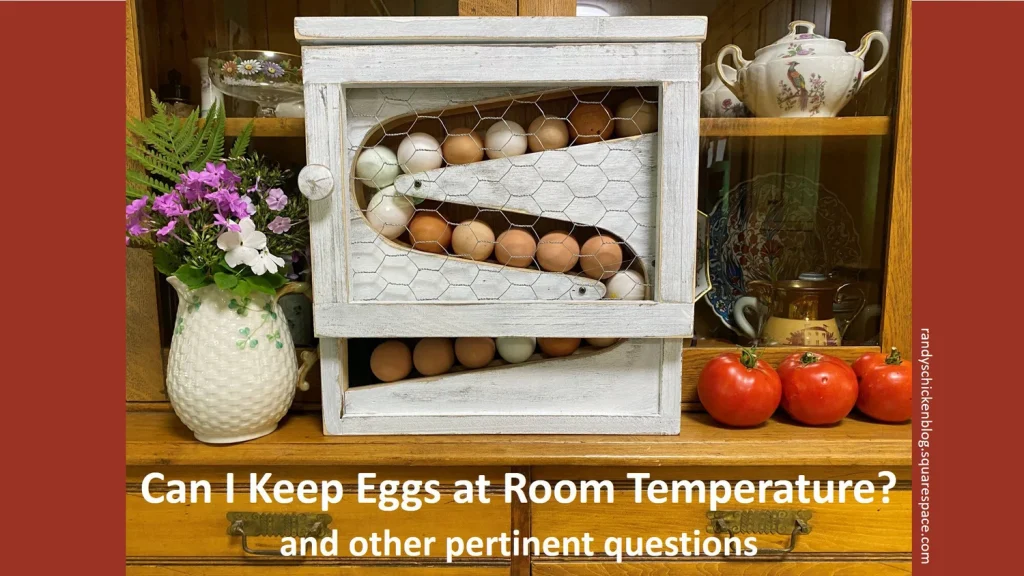
Have you ever wondered if fresh chicken eggs really need to be refrigerated? You might have heard different opinions, leaving you unsure about the best way to store your eggs.
Whether you buy them from the store or collect them from your own backyard chickens, knowing how to keep them fresh and safe is important. You’ll discover clear answers that can help you protect your eggs, save money, and enjoy them at their best.
Keep reading—your eggs will thank you!
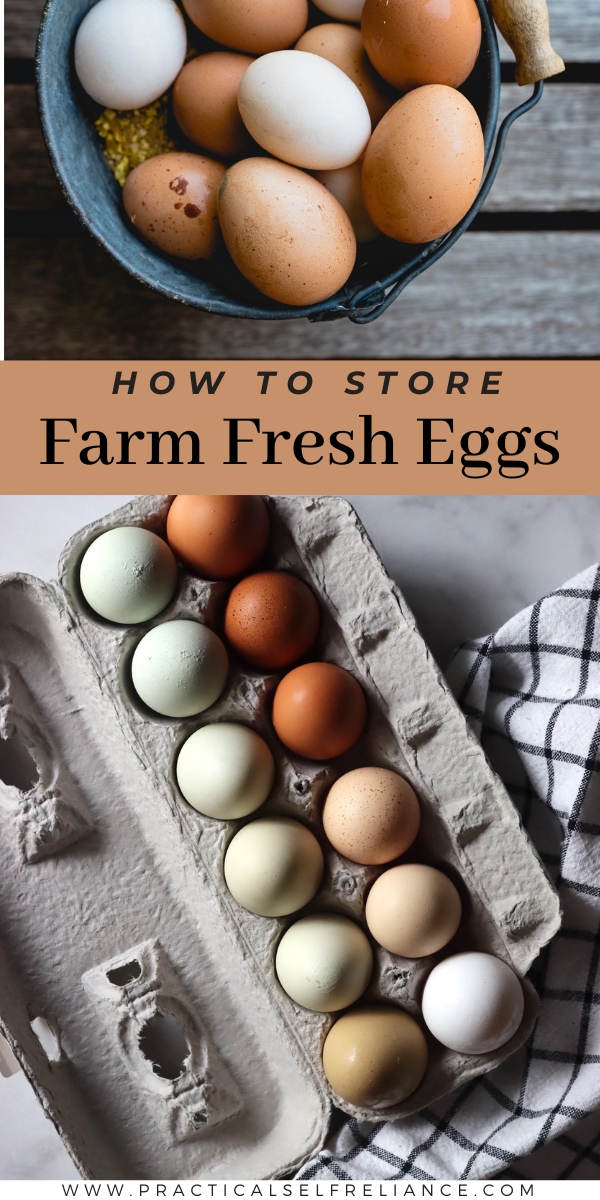
Credit: practicalselfreliance.com
Egg Freshness And Storage
Egg freshness depends largely on how eggs are stored. Proper storage keeps eggs safe and tasty for longer. Understanding the natural features of eggs and how to handle them affects their quality.
Natural Protective Coating
Fresh chicken eggs have a thin layer called the “bloom” or cuticle. This coating seals the shell’s pores. It stops bacteria from entering the egg. The bloom helps keep the egg fresh without refrigeration. It also slows down moisture loss, preserving the egg’s quality.
Effects Of Washing On Eggs
Washing eggs removes the natural coating. This makes eggs more vulnerable to bacteria. Once washed, eggs need refrigeration to stay safe. Washing also increases moisture loss, causing eggs to dry out faster. If eggs come directly from hens, avoid washing them before storage.
Shelf Life Of Fresh Eggs
Unwashed eggs can last about 2 weeks at room temperature. Washed eggs should be refrigerated and used within 3 to 5 weeks. Cold storage slows bacterial growth and preserves freshness. Store eggs with the pointed end down to keep yolks centered. Proper storage extends usability and taste.

Credit: grubblyfarms.com
Refrigeration Benefits
Refrigerating fresh chicken eggs offers several important benefits. It helps keep the eggs safe and fresh for longer. Cold storage slows down harmful bacteria and protects the eggs’ quality. Understanding these benefits can help you decide how to store your eggs properly.
Slowing Bacterial Growth
Cold temperatures slow the growth of bacteria on eggs. Bacteria like Salmonella multiply quickly at room temperature. Refrigeration keeps bacteria from spreading inside the egg. This reduces the risk of foodborne illness. Keeping eggs cold helps maintain food safety in your kitchen.
Maintaining Egg Quality
Refrigeration preserves the egg’s freshness and taste. The cooler environment prevents the egg white and yolk from breaking down. Eggs stored in the fridge stay firmer and fresher for weeks. This means your eggs will cook better and taste fresher.
Preventing Condensation
Warm eggs placed in the fridge can form moisture on the shell. This condensation allows bacteria to enter through the shell pores. Storing eggs in the fridge right away avoids this problem. Dry eggshells help keep eggs clean and safe to eat.
When To Refrigerate Eggs
Knowing when to refrigerate eggs is key to keeping them fresh and safe to eat. The decision depends on several factors, including where your eggs come from and the conditions they’ve been exposed to. Let’s look at some clear signs and situations that tell you whether eggs need to be chilled.
Store-bought Vs. Farm-fresh Eggs
Store-bought eggs are usually washed and sanitized before packaging. This process removes a natural protective coating, making refrigeration necessary to prevent bacteria from entering.
Farm-fresh eggs, on the other hand, often retain this coating. If you get eggs directly from a trusted local farm and haven’t washed them, refrigeration might not be immediately required. However, once you clean them, refrigerate to keep them safe.
Climate And Environmental Factors
Temperature and humidity play a huge role in egg storage. In hot and humid climates, eggs spoil faster, so keeping them in the fridge extends their shelf life.
If you live in a cooler climate and your eggs are kept in a consistently cool place, refrigeration isn’t always necessary. Still, sudden temperature changes can cause condensation, which increases the risk of bacteria growth.
Signs Eggs Need Refrigeration
Look for cracks or slimy spots on the shell—these are clear signs that bacteria could enter and refrigeration is safer.
If eggs have been out of the fridge for more than two hours in warm weather, it’s best to refrigerate them immediately. Also, if you notice an off smell or discoloration after cracking an egg, don’t take chances—store remaining eggs in the fridge or discard them.
Safe Egg Handling Tips
Handling fresh chicken eggs safely is key to keeping your kitchen healthy and your meals delicious. You might think that eggs are simple to manage, but small habits can make a big difference. Let’s look at some practical tips that protect you from bacteria and keep eggs fresh longer.
Proper Washing Techniques
Washing eggs requires care. You should never soak eggs in water because it can push bacteria inside through the shell’s pores. Instead, use a dry brush or a slightly damp cloth to gently clean off dirt.
If you must wash eggs with water, make sure it’s warmer than the egg itself to prevent suction of contaminants. Always dry eggs immediately after washing to reduce moisture that encourages bacterial growth.
Storage Best Practices
Think about where you keep your eggs. Storing them in the refrigerator is usually safest, but if your eggs are truly fresh and unwashed, you can store them at room temperature for a short time.
Keep eggs in their original carton to protect them from absorbing other odors and to prevent moisture loss. Avoid placing eggs on the refrigerator door where temperature changes are frequent.
Avoiding Cross-contamination
Handling eggs alongside other foods requires caution. Always wash your hands thoroughly after touching eggshells. This simple act can stop bacteria from spreading to your cutting boards, utensils, or ready-to-eat foods.
Use separate utensils and surfaces for eggs and raw meats. Have you ever thought about how many times you touch eggshells before washing your hands? Being mindful here reduces risks dramatically.
Global Egg Storage Practices
Egg storage practices differ widely across the globe, influenced by factors like local regulations, cultural habits, and food safety standards. Whether or not fresh chicken eggs need refrigeration depends largely on how they are processed and handled before reaching your kitchen. Understanding these global differences can help you decide the best way to store eggs in your home.
Us Vs. Europe Methods
In the US, eggs are washed and sanitized before sale. This process removes the natural protective coating on the shell, making refrigeration necessary to prevent bacterial contamination.
European countries typically avoid washing eggs. Instead, they rely on the natural bloom, a thin protective layer that keeps out bacteria and moisture. This means eggs can be safely stored at room temperature for several weeks.
Have you noticed how supermarket eggs in the US are always in the fridge, but in many European stores, they aren’t? This difference is rooted in these handling methods and food safety protocols.
Cultural Differences
Egg storage habits often reflect broader cultural attitudes towards food safety and freshness. In Japan, for instance, eggs are commonly consumed raw and are therefore handled with extreme care and refrigerated throughout the supply chain.
In contrast, many Mediterranean countries emphasize buying fresh eggs daily from local markets, reducing the need for refrigeration at home. This practice supports the idea of freshness over long-term storage.
What storage habits have you adopted based on where you live or travel? Sometimes local customs can teach you simple yet effective ways to keep eggs fresh.
Impact On Taste And Texture
Storage conditions can subtly affect the taste and texture of eggs. Refrigerated eggs tend to have a firmer white and yolk due to slower aging, which some chefs prefer for certain dishes.
Room temperature eggs, on the other hand, often whip up better when making meringues or soufflés because the whites are less dense. This is why some bakers recommend bringing eggs to room temperature before cooking.
Have you ever noticed a difference in your recipes depending on how you stored your eggs? Experimenting with storage methods can help you find the best flavor and texture for your cooking style.

Credit: www.allrecipes.com
Frequently Asked Questions
Do Fresh Eggs Need Refrigeration?
Fresh chicken eggs don’t necessarily need refrigeration if unwashed. Their natural coating protects them. However, refrigeration extends shelf life and maintains freshness. Once washed, they should be refrigerated to prevent bacterial contamination.
How Long Can Eggs Stay Unrefrigerated?
Unrefrigerated, fresh unwashed eggs can last about two weeks. However, their quality decreases over time. If washed or store-bought, refrigeration is essential to maintain freshness and safety.
Can Room Temperature Affect Egg Quality?
Yes, room temperature can affect egg quality. Higher temperatures accelerate spoilage. Refrigeration helps maintain freshness and prevents bacterial growth.
Why Are Store-bought Eggs Refrigerated?
Store-bought eggs are washed, removing the protective coating. This makes them susceptible to bacteria. Refrigeration is necessary to ensure safety and freshness.
Conclusion
Fresh chicken eggs can stay safe outside the fridge for a short time. But storing eggs in the refrigerator keeps them fresh longer. Cold slows down bacteria growth and stops eggs from spoiling fast. Always keep eggs dry and clean before storing.
Remember to check eggs for cracks or damage too. Proper storage helps you enjoy eggs safely and taste their best. So, choose the right way to keep your eggs fresh every day. Simple steps make a big difference in egg safety.