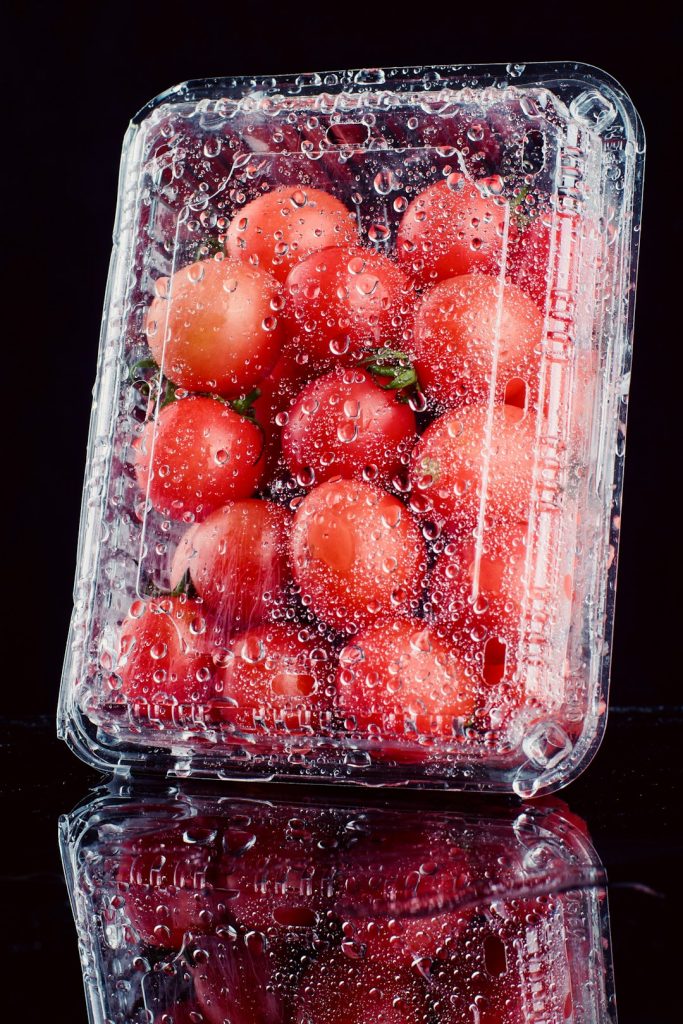
Are you wondering if fresh cranberries need to be refrigerated to stay fresh? You’re not alone.
Many people aren’t sure how to store these vibrant little berries so they don’t spoil quickly. Knowing the right way to keep your cranberries can save you money and help you enjoy their tart flavor longer. You’ll discover simple tips that make a big difference in preserving your fresh cranberries.
Keep reading to learn exactly what you need to do to keep your cranberries fresh and tasty!
Fresh Cranberries Shelf Life
Understanding the shelf life of fresh cranberries can help you enjoy their bright, tart flavor without worry. Knowing how long they stay fresh and recognizing when they’ve gone bad ensures you get the best taste and nutrition. Let’s break down what you need to know about keeping your fresh cranberries at their peak.
How Long Do Fresh Cranberries Last
Fresh cranberries typically last about 1 to 2 weeks in the refrigerator. If you leave them at room temperature, their shelf life shortens to just a few days. Storing them in a breathable container or their original packaging helps maintain freshness longer.
Freezing cranberries can extend their usability for up to a year, so if you buy in bulk, consider freezing the extras. Just rinse and dry them before freezing to avoid ice buildup. Have you ever noticed how some fruits seem to last forever in the fridge? Cranberries are close to that if stored properly.
Signs Of Spoilage
Watch for these signs to know if your fresh cranberries have gone bad:
- Soft or mushy texture:Fresh cranberries should be firm and plump.
- Discoloration:Look for dull, shriveled, or dark spots.
- Off smell:A sour or fermented smell means it’s time to toss them.
- Mold:Any fuzzy white or green patches indicate spoilage.
Have you ever bitten into a cranberry only to find it too soft or off? That’s your body’s way of telling you to check your storage methods. Keeping an eye on these signs saves you from unpleasant bites and wasted fruit.
Ideal Storage Conditions
Fresh cranberries stay best under the right storage conditions. Proper care keeps them firm and tasty. Avoid letting them dry out or become soft. Ideal storage helps maintain their bright color and flavor for longer.
Temperature Requirements
Keep fresh cranberries cold to stay fresh longer. The best temperature is between 32°F and 40°F (0°C to 4°C). Store them in the refrigerator’s crisper drawer. Avoid freezing them unless you plan to use them later in cooking or baking. Warm temperatures cause berries to spoil quickly.
Humidity Considerations
Cranberries need moderate humidity to avoid drying out. A humidity level around 90-95% is ideal. Use a perforated plastic bag or a container with ventilation. This setup keeps moisture balanced and prevents mold growth. Too much moisture causes berries to become soft and mushy.
Refrigeration Benefits
Refrigerating fresh cranberries offers clear benefits for maintaining their quality. Cold storage helps keep the berries firm and tasty for longer periods. It slows down natural processes that cause spoilage.
Extending Freshness
Keeping cranberries in the fridge helps them stay fresh beyond their usual shelf life. The cold temperature slows down ripening and decay. This means the berries keep their texture and flavor better. You can enjoy fresh cranberries for weeks instead of just days.
Preventing Mold Growth
Mold grows quickly on fresh fruit left at room temperature. Refrigeration lowers the chance of mold by keeping the berries cold and dry. This environment makes it harder for mold spores to develop and spread. Proper storage reduces waste and keeps cranberries safe to eat.

Credit: www.numberanalytics.com
Storing Cranberries Without Refrigeration
Storing fresh cranberries without refrigeration is possible for a short time. Understanding proper care helps keep them fresh and tasty. Knowing the limits of room temperature storage prevents spoilage and waste.
Short-term Storage Tips
- Keep cranberries dry to avoid mold growth.
- Store in a cool, dark place away from sunlight.
- Use a breathable container like a paper bag or basket.
- Do not wash cranberries before storing; wash before use only.
- Check daily for any soft or damaged berries and remove them.
Risks Of Room Temperature Storage
At room temperature, cranberries lose freshness quickly. They may shrivel or become soft within a few days. Mold can develop fast, especially in humid areas. Flavor and texture degrade without cool conditions. Storing too long without refrigeration increases food safety risks.
Freezing Fresh Cranberries
Freezing fresh cranberries is a smart way to extend their shelf life and keep their tart flavor ready for your next recipe. Unlike refrigeration, freezing locks in freshness and nutrients, making those vibrant berries available long after the season ends. But freezing cranberries correctly matters—you want to avoid clumps and preserve their texture.
Preparation Before Freezing
Start by sorting through your cranberries. Remove any that are soft, damaged, or shriveled to avoid spoiling the batch. Rinse the good ones under cold water to wash away dirt and pesticides.
Dry them thoroughly using a clean kitchen towel or paper towels. Excess moisture can cause ice crystals to form, which harms the berries’ texture during freezing. Have you noticed how soggy berries never recover their original snap?
How To Freeze Properly
Spread the cranberries out on a baking sheet in a single layer. This step is crucial because it prevents the berries from sticking together.
Place the tray in the freezer for a few hours until the cranberries are firm. Then transfer them into airtight freezer bags or containers. Squeeze out as much air as possible to prevent freezer burn.
Label the bags with the date so you can keep track of how long they’ve been stored. Frozen cranberries can last up to a year, but they taste best within six months.
Thawing Tips
Thaw frozen cranberries slowly in the refrigerator if you plan to use them in recipes where texture matters, like salads. This gradual thaw helps preserve their firmness.
If you’re adding them to smoothies or cooked dishes, you can toss them in frozen without thawing. Have you ever noticed how thawed berries sometimes leak juice and make dishes watery? Using them frozen avoids that problem.
For quick thawing, place cranberries in a colander and rinse with cold water. Shake off excess water before using. This keeps them fresh without sogginess.

Credit: www.alisoneroman.com
Packaging Options For Storage
Proper packaging helps keep fresh cranberries crisp and tasty. Choosing the right storage option slows down spoilage and moisture loss. Both airtight containers and plastic bags work well for preserving cranberries in the fridge. Each option has simple steps to follow for best results.
Using Airtight Containers
Airtight containers prevent air from reaching the cranberries. This stops the berries from drying out or going soft too fast. Use containers made of glass or plastic with a tight-sealing lid. Before storing, gently rinse the cranberries and let them dry completely. Spread the berries in a single layer inside the container. Keep the container in the refrigerator’s main section, not the door, to maintain steady temperature. Check the berries often and remove any that look spoiled.
Storing In Plastic Bags
Plastic bags offer a flexible, space-saving way to store fresh cranberries. Choose resealable bags with a zip lock to keep air out. Before sealing, gently press out as much air as possible. Do not wash the cranberries before storing to avoid excess moisture. Place the bag in the fridge and keep it away from strong-smelling foods. This packaging method helps maintain the berries’ natural moisture and freshness for days. For longer storage, consider freezing the cranberries in plastic bags.
Common Storage Mistakes
Storing fresh cranberries might seem simple, but many make common mistakes that spoil the fruit faster. These errors affect the berries’ texture and taste. Proper storage keeps cranberries fresh longer and ready to enjoy.
Avoiding Moisture Build-up
Moisture causes cranberries to mold quickly. Storing berries in a wet container traps water inside. Do not wash cranberries before storing. Use a dry, breathable container or perforated plastic bag. Keep them in a cool, dry place inside the fridge. This stops moisture from building up and ruining the berries.
Preventing Crushing And Bruising
Cranberries are delicate and bruise easily. Heavy weight or pressure crushes the berries. Avoid stacking heavy items on top of them. Use a shallow container with a single layer if possible. Handle the berries gently when moving or washing. Keeping them whole and firm helps maintain their freshness and flavor.

Credit: zinnabloom.com
Frequently Asked Questions
How Long Can Fresh Cranberries Last Unrefrigerated?
Fresh cranberries can last about a week at room temperature. However, they are best kept refrigerated to extend their freshness. Storing cranberries in the refrigerator can maintain their quality for up to four weeks. Always check for any signs of spoilage before using them.
Can You Freeze Fresh Cranberries For Later Use?
Yes, you can freeze fresh cranberries for later use. Freezing them helps preserve their flavor and nutrients. Simply wash and dry the cranberries, then place them in a sealed container or freezer bag. They can last up to a year in the freezer without losing quality.
What Is The Best Way To Store Fresh Cranberries?
The best way to store fresh cranberries is in the refrigerator. Place them in their original packaging or a breathable container. Ensure they are dry to prevent mold growth. Properly stored cranberries can remain fresh for up to four weeks in the refrigerator.
Do Fresh Cranberries Spoil Quickly If Not Refrigerated?
Yes, fresh cranberries spoil quickly if not refrigerated. At room temperature, they may last about a week. To keep them fresh longer, store them in the refrigerator. Refrigeration slows down spoilage and helps maintain their quality for up to four weeks.
Conclusion
Fresh cranberries stay fresh longer when kept cold. Store them in the fridge to keep their taste and texture. Room temperature makes them spoil faster. Always check for soft or moldy berries before use. Proper storage helps you enjoy cranberries in recipes and snacks.
Keep them in a sealed container or bag. This simple step saves money and reduces waste. Fresh cranberries in the fridge last weeks. Easy to do, and your berries stay tasty.