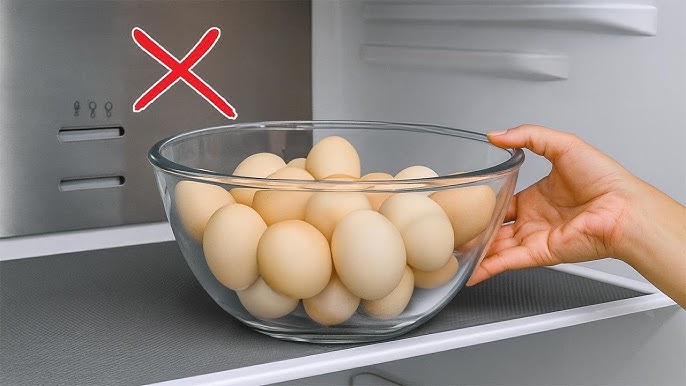
Have you ever wondered if fresh eggs really need to be kept in the fridge? You might be surprised to learn that the answer isn’t as simple as it seems.
Whether you buy eggs from the store or gather them from your backyard chickens, knowing how to store them properly can make a big difference in their freshness and safety. You’ll discover the facts about egg storage, why refrigeration matters, and how you can keep your eggs fresh for longer.
Keep reading to find out what’s best for your eggs—and your health.
Egg Freshness And Storage
Understanding how to keep your eggs fresh is key to enjoying them at their best. Proper storage affects taste, texture, and safety. Let’s dive into what really makes eggs fresh and how their natural features help in storing them.
What Makes Eggs Fresh
Fresh eggs have firm whites and rounded yolks that stay centered. The quality depends largely on how recently they were laid. Over time, eggs lose moisture and carbon dioxide, which makes the whites thinner and the yolk flatter.
When you buy eggs directly from a local farm or farmer’s market, you might notice they look different from supermarket eggs. That’s because freshness varies based on handling and time since laying.
Natural Protective Coating On Eggs
Eggs come with a natural coating called the “bloom” or cuticle. This thin layer seals the shell’s pores and helps keep out bacteria and moisture. It acts like a shield, preserving freshness without refrigeration.
If you’ve ever cracked a farm-fresh egg, you may have noticed a slight cloudy film on the shell—that’s the bloom at work. Washing eggs removes this coating, which is why store-bought eggs require refrigeration to stay safe longer.
- Unwashed eggs can be stored at room temperature for up to two weeks without losing quality.
- Refrigeration extends shelf life but may cause condensation if eggs warm up, which can promote bacterial growth.
- Keep eggs in their carton to protect them from absorbing strong odors and flavors.
Have you ever wondered why some cultures never refrigerate eggs? The natural coating plays a huge role in this practice. How does your local egg storage compare?

Credit: www.randyschickenblog.com
Refrigeration Practices Worldwide
Refrigeration practices for eggs vary widely around the world. Culture, food safety laws, and egg processing methods shape how eggs are stored. Some countries keep eggs at room temperature. Others rely on refrigeration from farm to table.
Understanding these differences helps clarify why refrigeration may or may not be necessary. It also explains the role of egg washing and its effect on storage life.
Egg Handling In Different Countries
In many European countries, eggs are not washed. They keep the natural protective coating on the shell. This coating helps keep bacteria out and moisture in. People often store eggs at room temperature for several weeks.
In the United States and Japan, eggs are washed soon after collection. Washing removes dirt but also strips away the protective layer. This makes eggs more vulnerable to bacteria. Refrigeration becomes essential to slow down spoilage and keep eggs safe.
In some countries, eggs are kept in refrigerated display cases in stores. In others, they sit on shelves at room temperature. These approaches reflect different standards and food safety rules.
Impact Of Washing On Egg Storage
Washing eggs removes the “bloom,” a natural barrier on the shell. This barrier helps keep eggs fresh longer without refrigeration. Once removed, eggs absorb moisture and bacteria more easily.
Eggs that are washed must be kept cold. Refrigeration slows bacterial growth and extends shelf life. Without refrigeration, washed eggs spoil quickly.
Unwashed eggs can last weeks at room temperature. Washed eggs usually require refrigeration right away. This difference explains the contrasting egg storage habits worldwide.
Benefits Of Refrigerating Eggs
Refrigerating eggs offers clear benefits that improve their safety and quality. Keeping eggs cool slows down natural processes that cause spoilage. This simple step helps maintain freshness and reduces the risk of foodborne illness. Cold storage is especially important in warm climates or for eggs that will be stored for several weeks.
Extending Shelf Life
Refrigeration greatly extends the time eggs stay fresh. At room temperature, eggs spoil faster due to moisture loss and bacterial activity. In the fridge, eggs can last 3 to 5 weeks or more. This longer shelf life means fewer eggs go to waste. It also allows you to buy eggs in bulk and store them safely for later use.
Preventing Bacterial Growth
Cold temperatures slow the growth of harmful bacteria like Salmonella. This bacteria can enter eggs through cracks or dirty shells. Refrigeration keeps bacteria from multiplying quickly. It reduces the chance of egg contamination and food poisoning. Properly stored eggs are safer to eat raw or lightly cooked. This is important for vulnerable groups such as children and elderly people.
Credit: hiedekgroup.com
When Fresh Eggs Can Be Stored At Room Temperature
Fresh eggs can sometimes be stored at room temperature safely. This depends on certain factors such as how the eggs were handled and the environment they are kept in. Understanding these conditions helps keep eggs fresh and reduces the risk of spoilage.
Ideal Conditions For Room Storage
Eggs must be clean and unwashed to keep their natural protective coating. This coating prevents bacteria from entering the shell. Store eggs in a cool, dry place away from direct sunlight. The room temperature should stay below 70°F (21°C). Use a well-ventilated container to allow air circulation. Eggs stored this way can last for up to two weeks.
Risks Of Leaving Eggs Out Too Long
Leaving eggs at room temperature for more than two weeks increases spoilage risk. Warm and humid environments speed up bacterial growth. Washing eggs removes the protective coating, making them more vulnerable. Contaminated eggs can cause food poisoning. Always check for cracks or bad smells before use. When in doubt, refrigerate eggs to keep them safe.
Tips For Storing Fresh Eggs Safely
Storing fresh eggs safely is key to preserving their quality and preventing foodborne illness. Whether you buy them from a farmer’s market or collect them from your backyard hens, handling eggs with care can make a big difference in how long they stay fresh. Let’s look at some practical tips that you can apply immediately to keep your eggs safe and tasty.
Proper Storage Techniques
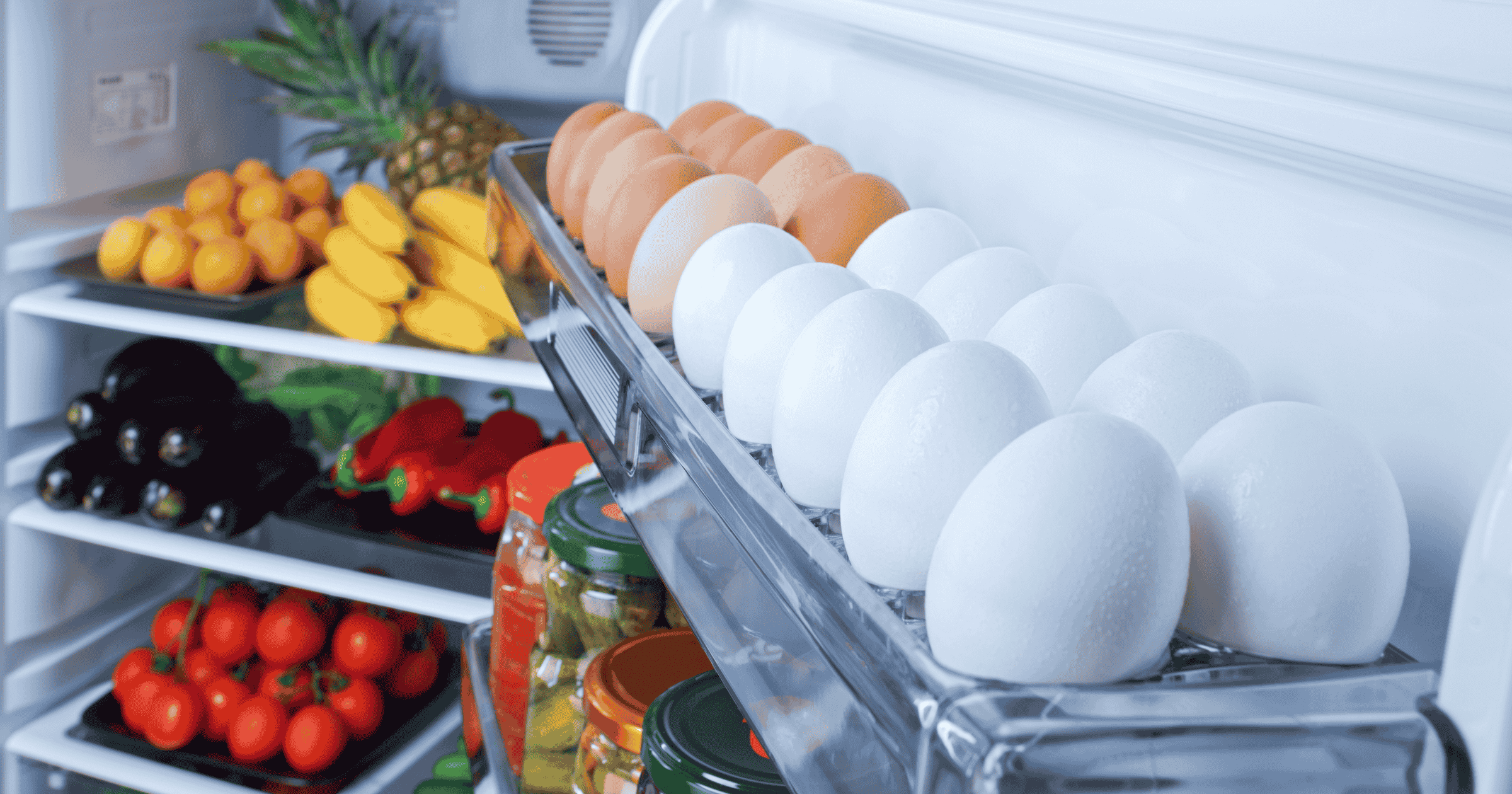
Keep eggs in their original carton to protect them from absorbing strong odors and flavors from other foods. Store the carton in the coldest part of your fridge, usually not the door, where temperature fluctuations are frequent.
For farm-fresh eggs that haven’t been washed, some people prefer keeping them at room temperature in a cool, dry place. But once eggs are washed or refrigerated, they should stay cold to reduce the risk of bacteria growth.
Have you ever noticed a difference in egg taste or texture when stored differently? Your fridge’s temperature consistency plays a huge role in maintaining freshness.
Checking Egg Freshness Before Use
One simple way to check if an egg is still fresh is the water test. Fill a bowl with water and gently place the egg inside. If it sinks and lays flat, it’s fresh. If it stands upright or floats, it’s best to discard it.
Crack the egg open on a flat surface before adding it to your recipe. Look for clear, thick whites and a firm yolk. If the egg smells off or looks cloudy, it’s safer to toss it.
Have you ever cracked an egg only to realize it was spoiled? Taking a moment to test eggs can save you from unpleasant surprises and keep your meals safe.

Credit: grubblyfarms.com
Common Myths About Egg Refrigeration
Many people believe that all eggs must be refrigerated to stay fresh. This idea has been passed down for years, but it’s not always true. Understanding the facts behind egg refrigeration can help you store your eggs the right way and avoid unnecessary waste.
Eggs And Temperature Changes
One common myth is that eggs should never be taken out of the fridge because temperature changes cause them to spoil faster. Actually, sudden temperature shifts can cause condensation on the eggshell, making it easier for bacteria to enter through tiny pores. If you keep eggs at a stable temperature, whether inside or outside the fridge, they stay fresh longer.
In many countries, eggs aren’t washed before sale, so their natural protective coating stays intact. This coating helps eggs last longer at room temperature. Have you ever noticed how store-bought eggs in the U.S., which are washed, almost always come refrigerated? That’s because washing removes this protective layer, requiring refrigeration to prevent contamination.
Refrigeration Effects On Taste And Texture
Some people say refrigeration changes the taste or texture of eggs. In reality, the difference is subtle and usually only noticeable if eggs are stored for a very long time. Fresh eggs kept at room temperature often have a firmer white and a rounder yolk, which can improve how they cook.
Refrigerated eggs tend to absorb odors from other foods in the fridge if not stored properly. This can affect flavor more than refrigeration itself. Have you tried leaving eggs out for a few hours before cooking? You might find the texture improves, especially for dishes like omelets or poached eggs.
Frequently Asked Questions
Do Fresh Eggs Need To Be Refrigerated?
Fresh eggs can be stored at room temperature for about two weeks. However, refrigeration extends their shelf life to about 4-5 weeks. In the U. S. , it’s recommended to refrigerate eggs due to washing practices that remove the protective coating.
How Long Can Fresh Eggs Sit Out?
Fresh eggs can safely sit out at room temperature for up to two weeks. Beyond that, the quality may decline. Refrigerating them after this period is advisable to ensure freshness and safety.
What Is The Best Way To Store Fresh Eggs?
The best way to store fresh eggs is in the refrigerator. Place them in their original carton to protect them from absorbing strong odors and flavors. This also helps maintain a consistent temperature.
Why Do Eggs In Europe Not Require Refrigeration?
In Europe, eggs are not washed, keeping their natural protective coating intact. This coating protects them from bacteria. As a result, they can be safely stored at room temperature.
Conclusion
Fresh eggs stay safe longer when kept cool. Storing eggs in the fridge slows bacteria growth. Room temperature can cause eggs to spoil faster. Clean eggs with dry cloths before storing. Always keep eggs in their carton to protect them.
Check eggs regularly for cracks or odors. Proper storage helps maintain egg freshness and quality. Choose the method that fits your climate and use. Eggs are a healthy, versatile food worth storing right. Simple care keeps eggs safe and tasty for meals.