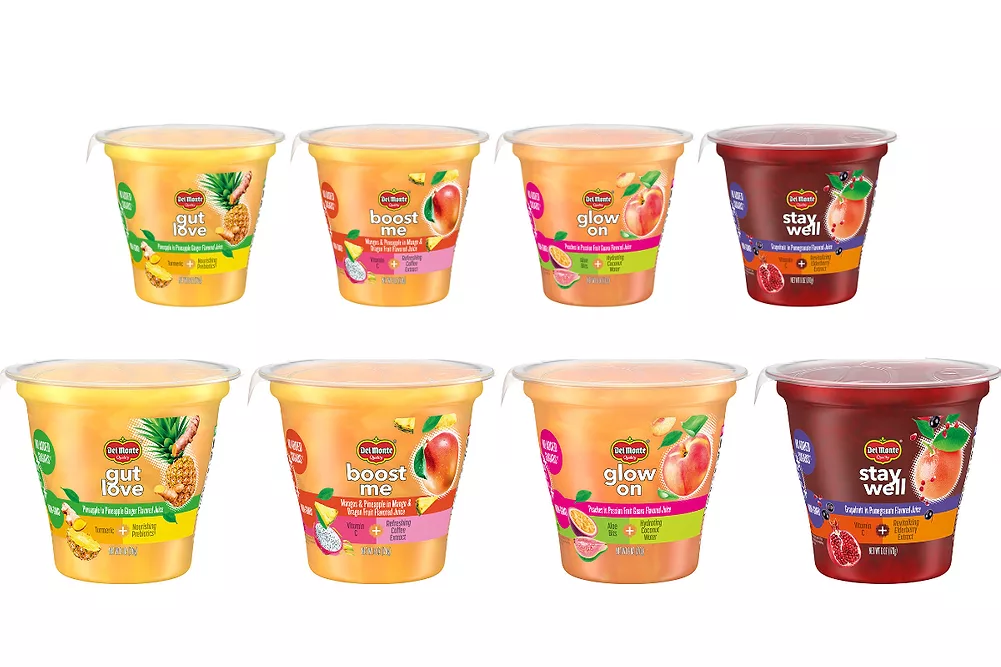
Are you wondering if your fruit cups need to be kept in the fridge? You might have asked yourself this question while reaching for a quick, healthy snack.
The answer isn’t always simple, but it can make a big difference in keeping your fruit fresh and safe to eat. You’ll discover exactly when and why you should refrigerate fruit cups, so you never have to worry about spoilage or taste again.
Keep reading to learn the easy steps that will keep your fruit cups delicious every time you open them.
Fruit Cup Storage Basics
Knowing how to properly store fruit cups can save you from wasting food and keep your snacks fresh longer. Fruit cups come in different forms and packaging, which affects whether they need to be refrigerated. Understanding these basics helps you make the right decision every time you grab a fruit cup from the pantry or fridge.
Types Of Fruit Cups
Fruit cups vary widely based on their contents and preparation. Some are packed in natural juice, while others use syrup, which can affect how long they stay fresh. Fresh-cut fruit cups usually require refrigeration right away to prevent spoilage.
Canned or sealed fruit cups often have preservatives or are heat-treated, allowing them to be stored at room temperature until opened. Have you noticed how some fruit cups last longer on the shelf, while others need to chill? This difference comes down to their type and treatment.
Common Packaging Materials
Fruit cups come in various packaging materials that impact storage needs. Plastic cups with sealed lids are common for fresh or refrigerated fruit and usually need to stay cold after opening. Glass jars offer a sturdy option, often used for premium or organic fruit cups, and also require refrigeration once opened.
Metal cans are typical for shelf-stable fruit cups. They protect the fruit from light and air, allowing safe room-temperature storage until opened. Once you open these cans or any sealed containers, transferring the fruit to a sealed container and refrigerating is key to keeping it fresh.
Refrigeration Requirements
Understanding whether fruit cups need refrigeration can save you from food waste and keep your snacks safe. Refrigeration requirements depend largely on the type of fruit cup you have and how it was processed. Let’s break down the differences and signs that indicate when cooling is necessary.
Shelf-stable Vs Perishable Fruit Cups
Shelf-stable fruit cups are sealed and processed to last without refrigeration until opened. These cups often undergo heat treatment, like canning or pasteurization, which kills bacteria and seals in freshness. You can store them in your pantry or cupboard, but once opened, refrigeration is a must.
Perishable fruit cups, on the other hand, are fresh or minimally processed and must stay cold from the moment you buy them. These cups usually come in refrigerated sections at the store. If left out at room temperature for too long, they can spoil quickly and pose a health risk.
Signs Fruit Cups Need Cooling
Ask yourself: was your fruit cup refrigerated when you bought it? If yes, it likely needs to stay cold. Check the label for instructions—many will explicitly say “Keep Refrigerated.”
Other signs include:
- Soft or mushy texture developing faster than expected
- Unpleasant sour or off smell
- Liquid inside turns cloudy or changes color
If you notice any of these, refrigerate your fruit cup immediately or discard it if spoiled. Your senses are often the best guide to food safety.
Effects Of Temperature On Freshness
Temperature plays a key role in keeping fruit cups fresh. The right temperature keeps fruit tasty and safe to eat. Cold slows down decay and keeps fruits crisp. Warmth speeds up spoilage and can change flavor quickly.
How Heat Affects Fruit Texture And Flavor
Heat causes fruit to soften fast. The texture becomes mushy and less pleasant. Warmth breaks down cell walls, making fruit soggy. Flavors can become dull or overly sweet.
Fresh fruit tastes best when chilled. Cold keeps juices locked inside pieces. It preserves the natural, bright flavors you expect.
Bacterial Growth Risks
Warm temperatures help bacteria grow on fruit. Bacteria multiply quickly in heat, causing spoilage. This can lead to unpleasant smells and tastes.
Chilling fruit cups slows bacterial growth. It keeps the fruit safe to eat longer. Storing fruit cups in the fridge reduces health risks.

Credit: www.refrigeratedfrozenfood.com
Best Practices For Keeping Fruit Cups Fresh
Keeping your fruit cups fresh isn’t just about tossing them into the fridge. The way you store and seal them can make a big difference in how long they last and how good they taste. Let’s look at some practical tips to help you enjoy your fruit cups at their best.
Proper Sealing And Storage
Once you open a fruit cup, air exposure speeds up spoilage. Make sure to reseal the container tightly or transfer the fruit to an airtight container. This prevents moisture loss and keeps the fruit juicy longer.
If you don’t have an airtight container, use plastic wrap or aluminum foil, pressing it directly on the fruit’s surface. This reduces the contact with air and slows down browning and mold growth.
Storing fruit cups on a refrigerator shelf rather than the door also helps. The door’s temperature fluctuates more, which can make your fruit go bad faster. Have you noticed how some fruits spoil quickly after a few days even in the fridge? Proper sealing and placement might be the reason.
Ideal Refrigerator Settings
Your fridge temperature plays a crucial role in fruit preservation. Keep it between 35°F and 40°F (1.7°C to 4.4°C). Temperatures above 40°F allow bacteria and mold to grow, while below 32°F may freeze the fruit, ruining its texture.
Humidity control is another factor to consider. If your fridge has a crisper drawer with humidity settings, use the higher humidity setting for fruit cups. This helps maintain moisture levels and prevents the fruit from drying out.
Do you check your fridge’s temperature regularly? Investing in a fridge thermometer can help you maintain the ideal environment for your fresh fruit cups and other perishables.
Alternatives To Refrigeration
Fruit cups often need cold storage to stay fresh. But refrigeration is not the only option. There are simple alternatives to keep fruit cups fresh without a fridge. These options help maintain taste and safety for a short time.
Using Coolers And Ice Packs
Coolers provide a portable cold environment for fruit cups. Ice packs inside coolers keep the temperature low. This slows down fruit spoilage and bacterial growth. It is ideal for picnics or short trips. Use clean ice packs and avoid direct contact with the fruit cup. Wrap the cup in a cloth or place it in a sealed bag. This prevents water from melting ice from leaking into the fruit.
Room Temperature Storage Tips
Storing fruit cups at room temperature requires care. Choose a cool, dark place away from sunlight. Avoid warm spots near ovens or windows. Keep fruit cups sealed tightly to prevent air exposure. Consume within a few hours for best quality. If the fruit cup is opened, finish it quickly to avoid spoilage. Watch for signs of spoilage like bad smell or slimy texture. These tips help maintain freshness when refrigeration is not possible.
Shelf Life And Expiration
Understanding the shelf life and expiration of fruit cups is key to keeping your snacks fresh and safe. Fruit cups are convenient, but knowing how long they last can save you from unpleasant tastes and potential health risks. Let’s break down what happens to fruit cups when left unrefrigerated and when it’s time to toss them out.
How Long Fruit Cups Last Unrefrigerated
Unopened fruit cups can usually last for several hours at room temperature without spoiling, especially if they are sealed and contain syrup or juice. However, once opened, the clock starts ticking fast. Typically, you should not leave an opened fruit cup unrefrigerated for more than two hours.
I once left a fruit cup on my kitchen counter for nearly a day, thinking it would be fine since it was sealed. The next day, the fruit tasted off and had a strange smell—definitely not worth the risk. This experience showed me how quickly fruit cups can degrade without refrigeration.
When To Discard
Always discard fruit cups if you notice any changes in color, smell, or texture. Mold growth is a clear sign it’s time to throw it away. If the fruit feels slimy or the syrup looks cloudy, don’t take chances.
Even if the expiration date hasn’t passed, your senses are a reliable guide. If the fruit cup smells sour or has an unusual taste, it’s safer to discard it. Remember, food safety isn’t just about dates; it’s about how the product looks and smells once opened or stored.
Safety Precautions
Fruit cups are a popular, convenient snack. Taking safety precautions helps keep them fresh and safe to eat. Proper handling reduces the risk of contamination and spoilage. Understanding how to store and manage fruit cups ensures good taste and health.
Avoiding Contamination
Clean hands are essential before touching fruit cups. Avoid using dirty utensils or containers. Keep the fruit cup sealed until ready to eat. Do not leave fruit cups open for long periods. Always use clean spoons or forks to serve fruit. Store fruit cups away from raw foods to prevent cross-contamination.
Handling Opened Fruit Cups
Once opened, fruit cups must be refrigerated immediately. Cover the cup tightly with a lid or plastic wrap. Consume the fruit cup within 2 to 3 days after opening. Avoid leaving opened fruit cups at room temperature. Check for signs of spoilage, such as off smell or mold. Dispose of the fruit cup if it looks or smells bad.

Credit: www.amazon.com

Credit: www.thesaltedcookie.com
Frequently Asked Questions
Do Fruit Cups Need Refrigeration After Opening?
Yes, fruit cups must be refrigerated after opening. This keeps the fruit fresh and prevents bacterial growth. Store them in an airtight container and consume within 3 to 5 days for best quality and safety.
Can Unopened Fruit Cups Be Stored At Room Temperature?
Unopened fruit cups can be stored at room temperature if shelf-stable. Check the packaging for storage instructions. Refrigerate only after opening to maintain freshness and avoid spoilage.
How Long Do Fruit Cups Last In The Fridge?
Fruit cups typically last 3 to 5 days in the refrigerator after opening. Always check for signs of spoilage like off smell or mold before consumption.
Why Is Refrigeration Important For Fruit Cups?
Refrigeration slows down bacterial growth and preserves the fruit’s texture and flavor. Without refrigeration, fruit cups spoil quickly and become unsafe to eat.
Conclusion
Fruit cups offer convenience and nutrition. But do they need refrigeration? Mostly, yes. Check the label on your fruit cup. Some require refrigeration, others don’t. Shelf-stable fruit cups can stay out. Refrigerated ones must stay cool. Always follow storage instructions.
This keeps them fresh and tasty. Enjoy fruit cups as a quick snack. Handy for busy days. Remember to store them properly. This ensures the best flavor and safety. Stay informed. Make the right choice for your fruit cups. Freshness matters.
Enjoy your healthy snack with peace of mind.