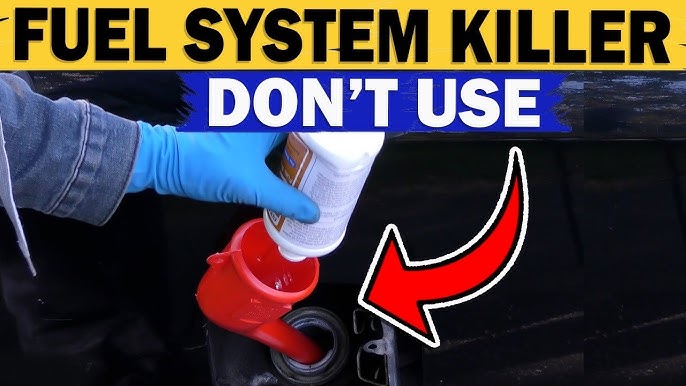
Are you wondering if fuel system cleaners really make a difference for your car? You’ve probably seen them on store shelves or heard friends talk about them, but is it worth spending your money?
Your vehicle’s performance and fuel efficiency might depend on how clean your fuel system is. You’ll discover the truth about fuel system cleaners—how they work, when they help, and when they don’t. Keep reading to find out if these products can actually improve your driving experience and save you money in the long run.
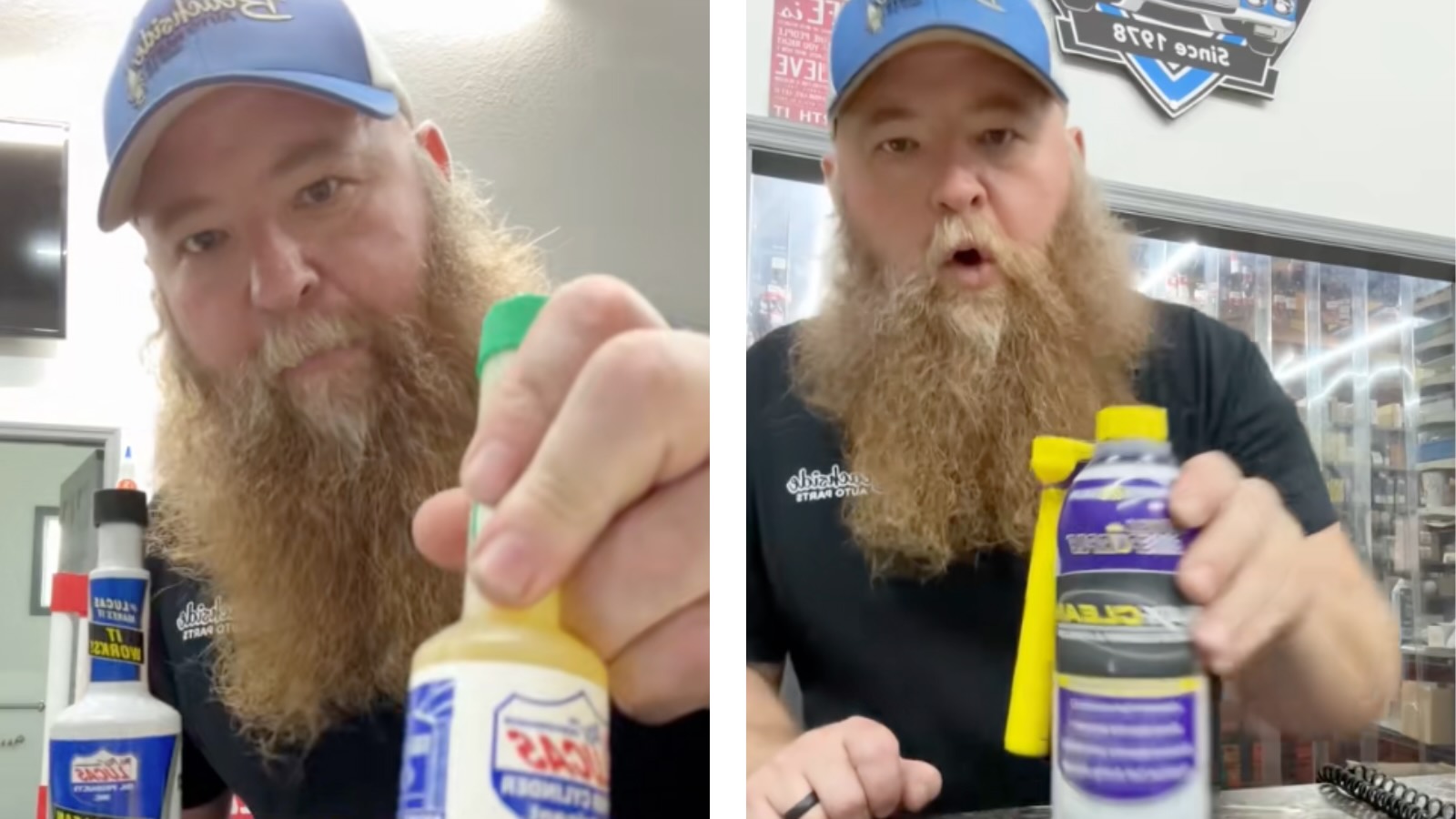
Credit: www.motorbiscuit.com
How Fuel System Cleaners Work
Fuel system cleaners help remove dirt and deposits from your car’s fuel system. They keep engines running smoothly and improve fuel efficiency. These cleaners work by breaking down buildup inside fuel lines, injectors, and valves.
Using the right cleaner and applying it correctly is important. This guide explains the types of fuel system cleaners, their chemical ingredients, and how to use them.
Types Of Fuel System Cleaners
There are several types of fuel system cleaners. Each targets different parts of the fuel system and works in a unique way.
- Injector Cleaners: Remove deposits on fuel injectors to improve spray patterns.
- Carburetor Cleaners: Clean carburetors to prevent clogging and rough idling.
- Fuel Additives: Mixed with fuel to clean the entire fuel system gradually.
- Intake Valve Cleaners: Remove buildup on intake valves and improve airflow.
Chemical Ingredients And Their Roles
Fuel system cleaners contain chemicals that dissolve and remove deposits. Each ingredient has a special role in cleaning and protecting the system.
| Chemical | Role |
| Polyetheramine (PEA) | Breaks down carbon deposits on injectors and valves. |
| Polyisobutylene amine (PIBA) | Removes gum and varnish from fuel lines. |
| Detergents | Clean fuel injectors and improve spray quality. |
| Corrosion Inhibitors | Protect metal parts from rust and corrosion. |
| Solvents | Dissolve dirt and help carry chemicals through the fuel system. |
Application Methods
Fuel system cleaners can be applied in different ways depending on the product type. Follow instructions carefully for the best results.
- Pour the cleaner directly into the fuel tank before filling up.
- Use a fuel injector cleaning kit that attaches to the fuel rail.
- Some cleaners are sprayed on carburetors or intake valves during maintenance.
- Regular use helps maintain a clean fuel system and better engine performance.

Credit: www.youtube.com
Signs Your Fuel System Needs Cleaning
Your car’s fuel system can get dirty over time. Dirt and deposits build up inside fuel injectors and lines.
Cleaning the fuel system helps your engine run smoothly and saves fuel. Here are signs your fuel system needs cleaning.
Common Symptoms Of Fuel System Issues
If your fuel system is dirty, your car may show some signs. These problems tell you it needs cleaning soon.
- Engine misfires or runs rough
- Hard starting or no start at all
- Poor fuel economy and increased fuel use
- Loss of power or hesitation when accelerating
- Black smoke from the exhaust
- Check engine light turns on
Impact On Engine Performance
A dirty fuel system reduces how well your engine works. It blocks fuel flow and affects combustion.
This can cause your engine to feel weak, stall, or use more fuel than normal.
- Lower engine power and responsiveness
- Increased emissions and pollution
- More engine knocking or pinging sounds
- Possible damage to fuel injectors and spark plugs
When To Consider Using Cleaners
Use fuel system cleaners if you notice performance issues or symptoms listed above. Cleaners help remove deposits.
It is a good idea to use cleaners regularly as part of car maintenance to prevent build-up.
- Before engine problems get worse
- If fuel economy drops suddenly
- After using low-quality or old fuel
- When your car has high mileage and no recent cleaning
Evaluating The Effectiveness
Fuel system cleaners claim to improve engine performance by cleaning fuel injectors and other parts. People want to know if these products really work as advertised. Evaluating their effectiveness requires looking at scientific studies and real user experiences.
This article reviews available research and reports from car owners. It also discusses the limits and possible risks of using fuel system cleaners.
Scientific Studies And Test Results
Scientists have tested fuel system cleaners in labs and on vehicles. Many tests measure engine power, fuel efficiency, and emissions before and after cleaning. Results vary depending on the product and the vehicle condition.
Some studies show small improvements in fuel economy and reduced deposits on fuel injectors. Others find no noticeable difference. Consistent use over time may help maintain cleaner fuel systems.
- Tested products can reduce carbon build-up
- Improvements in fuel economy range from 1% to 5%
- Emissions may decrease slightly after treatment
- Older or dirtier engines show more benefit
Real-world User Experiences
Many car owners share their experiences with fuel system cleaners online. Some report smoother engine idling and better throttle response. Others say they see no changes in performance or mileage.
User reviews suggest that fuel system cleaners work best for older vehicles with some deposit build-up. Newer cars with clean fuel injectors may not benefit much from these products.
- Improved engine smoothness reported by some users
- Fuel savings noticed mostly in older cars
- No effect mentioned by users with recent maintenance
- Some users use cleaners as preventive care
Limitations And Potential Risks
Fuel system cleaners have limits. They cannot fix mechanical engine problems or severe damage. Using cleaners too often or in large amounts may cause harm.
Some cleaners contain strong chemicals that could damage fuel system parts if misused. Always follow product instructions and avoid overuse to reduce risks.
- Not a solution for mechanical engine faults
- Overuse might harm fuel injectors or seals
- May not work well in very new or very old engines
- Effectiveness depends on correct usage
Comparing Fuel System Cleaners To Professional Services
Fuel system cleaners are popular for fixing car engine problems. Many people want to know if these cleaners work as well as professional services. This article looks at the differences between the two.
We will explore the benefits and drawbacks of DIY fuel system cleaners. Then, we will explain how professional cleaning works. Finally, we will compare costs and time needed for each method.
Diy Cleaner Benefits And Drawbacks
DIY fuel system cleaners are easy to use and can save money. They help remove some dirt and deposits inside the fuel system. Many products only need to be poured into the gas tank.
- Benefits:
- Affordable compared to professional services
- Simple to apply without special tools
- Available at many stores
- May improve engine performance slightly
- Drawbacks:
- May not remove heavy buildup
- Cannot fix serious fuel system problems
- Effectiveness varies by product and car
- Results take time and are not guaranteed
Professional Cleaning Techniques
Professionals use advanced methods to clean the fuel system. They often take apart parts or use machines to remove deposits. These services can fix tougher problems than cleaners.
| Method | Description | Effectiveness |
| Fuel Injector Cleaning | Removes deposits from injectors using special equipment | High |
| Fuel Rail Cleaning | Cleans the fuel rail for better fuel flow | Medium to High |
| Complete Fuel System Flush | Flushes whole fuel system with chemicals and tools | Very High |
Cost And Time Considerations
Cost and time differ between DIY cleaners and professional services. DIY cleaners cost less but take longer to show results. Professionals charge more but often fix problems faster.
- DIY Cleaners:
- Cost: Low, usually under $20
- Time: Several uses over weeks
- Professional Services:
- Cost: Higher, $50 to $200 or more
- Time: Usually completed in 1 to 2 hours
Tips For Choosing The Right Cleaner
Fuel system cleaners can help keep your engine running smoothly. Choosing the right cleaner is important for the best results.
Learn how to read labels, check vehicle compatibility, and find trusted brands before buying.
Reading Labels And Ingredients
Look for key ingredients like detergents and solvents. These help remove deposits and improve fuel flow.
- Check for additives that remove carbon build-up.
- Avoid cleaners with harsh chemicals that may damage parts.
- Look for EPA approval or other certifications.
Compatibility With Vehicle Types
Not all fuel cleaners work for every vehicle. Your car’s engine type matters.
| Vehicle Type | Fuel Cleaner Type |
| Gasoline Engines | Gasoline-specific cleaners |
| Diesel Engines | Diesel fuel additives |
| Hybrid Vehicles | Check manufacturer recommendations |
| Older Cars | Heavy-duty cleaners for tough deposits |
Recommended Brands And Products
Choose brands with good reviews and proven results. Trusted products reduce risk and improve engine health.
- Look for brands with clear ingredient lists.
- Pick products recommended by mechanics or car forums.
- Consider cleaners with money-back guarantees.
Preventive Measures For Fuel System Maintenance
Fuel system cleaners can help keep your engine running smoothly. Still, regular care helps avoid big problems.
Taking steps to maintain your fuel system prevents damage and improves fuel efficiency. Small actions make a big difference.
Regular Fuel Quality Checks
Check your fuel quality often to avoid dirt and water in the system. Bad fuel can clog parts and reduce engine life.
Use fuel from trusted stations and avoid filling up when the tank is nearly empty. This helps keep fuel fresh and clean.
Driving Habits That Help
Drive your vehicle regularly and avoid short trips that do not warm up the engine fully. This stops buildup in the fuel system.
Gentle acceleration and steady speeds reduce stress on fuel parts. Avoid quick starts and hard stops for better fuel system health.
- Drive at steady speeds when possible
- Avoid idling for long periods
- Limit short trips under 5 miles
- Use higher gears to lower engine load
Scheduled Maintenance Practices
Follow your vehicle’s service schedule to keep the fuel system clean and efficient. Replace filters and check injectors as needed.
Have a mechanic inspect your fuel system regularly. This helps catch small issues before they become costly repairs.
- Change fuel filters every 20,000 to 30,000 miles
- Clean fuel injectors during tune-ups
- Check fuel lines for leaks or cracks
- Use fuel additives only if recommended

Credit: www.fuellogic.net
Frequently Asked Questions
What Are Fuel System Cleaners?
Fuel system cleaners are additives that remove deposits in your engine’s fuel system. They improve fuel flow and engine performance.
How Often Should I Use Fuel System Cleaners?
Use fuel system cleaners every 3,000 to 5,000 miles or as recommended by your vehicle’s manufacturer for best results.
Do Fuel System Cleaners Improve Fuel Efficiency?
Yes, fuel system cleaners can boost fuel efficiency by cleaning injectors and improving combustion, leading to better mileage.
Are Fuel System Cleaners Safe For All Engines?
Most fuel system cleaners are safe for gasoline engines, but always check product labels and consult your vehicle manual.
Conclusion
Fuel system cleaners can help remove dirt and buildup. They may improve engine performance and fuel efficiency. Results vary based on the product and vehicle condition. Regular maintenance keeps your fuel system running smoothly. Clean fuel injectors mean better fuel flow and fewer problems.
Try cleaners occasionally, but don’t expect miracles. Always follow product instructions carefully for best results. Good care helps your car last longer and run better. Simple steps make a big difference in engine health. Choose wisely and keep your vehicle in top shape.