Have you ever found yourself standing in your kitchen, grapefruit in hand, wondering if it belongs in the fridge or on the counter? You’re not alone.
Many people are uncertain about the best way to store these juicy fruits. Your curiosity isn’t just a fleeting thought; it’s a step toward keeping your grapefruits fresh and delicious for as long as possible. By understanding the storage needs of grapefruits, you can enjoy their zesty flavor and health benefits without a hitch.
Dive into the details with us and discover whether your grapefruits truly need the chill of the refrigerator or if they can bask in the room’s warmth. Stay with us to make the most of your citrus delight.

Credit: www.reddit.com
Grapefruit Storage Basics
Grapefruit storage is more important than many realize. How you store this citrus fruit affects its flavor, texture, and shelf life. Knowing the basics can help you enjoy fresh, juicy grapefruit longer without waste.
Room Temperature Storage
You can keep grapefruit at room temperature for up to a week. Just place them in a cool, dry spot away from direct sunlight. I once left grapefruit on my kitchen counter, and they stayed fresh enough for several days, perfect for quick snacks.
However, room temperature can cause the fruit to lose moisture faster. This might make the skin look dull or the flesh less juicy. So, if you don’t plan to eat them soon, consider other options.
Refrigeration Benefits
Storing grapefruit in the fridge extends their freshness for up to three weeks. The cold slows down ripening and moisture loss, keeping the fruit firm and flavorful longer. I always keep a few in my fridge to have ready for salads or smoothies anytime.
Refrigeration also reduces the risk of mold growth. Just place the grapefruit in the crisper drawer or in a perforated plastic bag to maintain the right humidity. This simple step can prevent spoilage and save you money.
Ideal Storage Conditions
The best way to store grapefruit depends on how soon you plan to eat it. For short-term storage, room temperature works fine, but for longer periods, refrigeration is smarter.
- Keep grapefruit away from ethylene-producing fruits like bananas and apples to avoid quick ripening.
- Store in a breathable container or loosely wrap in plastic to balance moisture and air flow.
- Check your grapefruit regularly and remove any that show soft spots or mold to keep others fresh.
Have you noticed how some grocery store grapefruits stay fresh longer than others? Their storage conditions before purchase make a big difference. How you handle them at home is just as crucial for preserving quality.
How Refrigeration Affects Grapefruits
Refrigeration plays a key role in how long grapefruits stay fresh and tasty. It slows down decay and keeps the fruit firm. The cold temperature affects the fruit’s natural processes, changing its texture and flavor over time. Understanding these changes helps store grapefruits properly.
Shelf Life Extension
Keeping grapefruits in the fridge can double their shelf life. The cool air slows mold growth and softening. Grapefruits last about one week at room temperature but can stay fresh for three to four weeks in the refrigerator. Store them in the crisper drawer for best results.
Impact On Flavor And Texture
Cold storage helps keep grapefruits juicy and firm. The chill preserves their bright taste and prevents drying out. However, long refrigeration may dull the flavor slightly. The texture may become a bit mealy if stored too long. Use refrigerated grapefruits within a month for best taste.
Signs Of Overcooling
Too much cold can harm grapefruits. Watch for dark spots or soft patches on the peel. The fruit may lose its shine and feel mushy. Overcooling can cause chilling injury, leading to off-flavors. Remove grapefruits from the fridge if these signs appear to avoid waste.
Best Practices For Storing Grapefruits
Proper storage of grapefruits can extend their freshness and flavor, saving you money and reducing waste. Knowing how to store them correctly helps maintain their juiciness and vibrant taste, whether you plan to eat them soon or later. Let’s look at some practical steps you can take to keep your grapefruits at their best.
Preparation Before Storage
Before storing grapefruits, make sure they are clean and dry. Gently wipe off any dirt or residue with a soft cloth or paper towel. Avoid washing them with water unless you plan to eat them immediately, as extra moisture can lead to mold.
If you notice any damaged spots, use those grapefruits first to prevent spoilage from spreading. Sorting through your grapefruits and separating any bruised ones can keep the rest fresh longer.
Using Airtight Containers
Using airtight containers can help preserve the grapefruit’s aroma and prevent it from absorbing odors from other foods. Place whole or cut grapefruits in sealed containers or zip-lock bags. This method works well if you keep your fruit in the refrigerator, as it keeps the environment controlled and clean.
Remember to leave some space inside the container to avoid bruising the fruit. If you’re storing slices, wrap them tightly before placing in the container to keep freshness locked in.
Avoiding Moisture Build-up
Moisture is the enemy of grapefruit storage because it encourages mold and decay. Use paper towels inside containers or bags to absorb excess moisture. This simple step can dramatically increase the grapefruit’s shelf life.
Keep your storage area well-ventilated and avoid stacking grapefruits on top of each other, which can trap moisture. Have you ever noticed how a little dampness can turn fruit mushy overnight? Staying ahead of moisture is key to avoiding that problem.
Storing Grapefruit Products
Storing grapefruit products properly ensures you enjoy their fresh taste longer and avoid waste. Different grapefruit forms—juice, cut pieces, or preserves—each have unique storage needs that affect their flavor and safety. Let’s look at how to keep these products fresh and delicious in your kitchen.
Freshly Squeezed Juice
Fresh grapefruit juice is packed with vitamins but spoils quickly. Always refrigerate it in a sealed container to maintain its bright flavor and prevent bacterial growth.
Use the juice within 2 to 3 days. Have you noticed how juice left out tastes flat and less vibrant? That’s because exposure to air and warmth breaks down the natural acids and sugars.
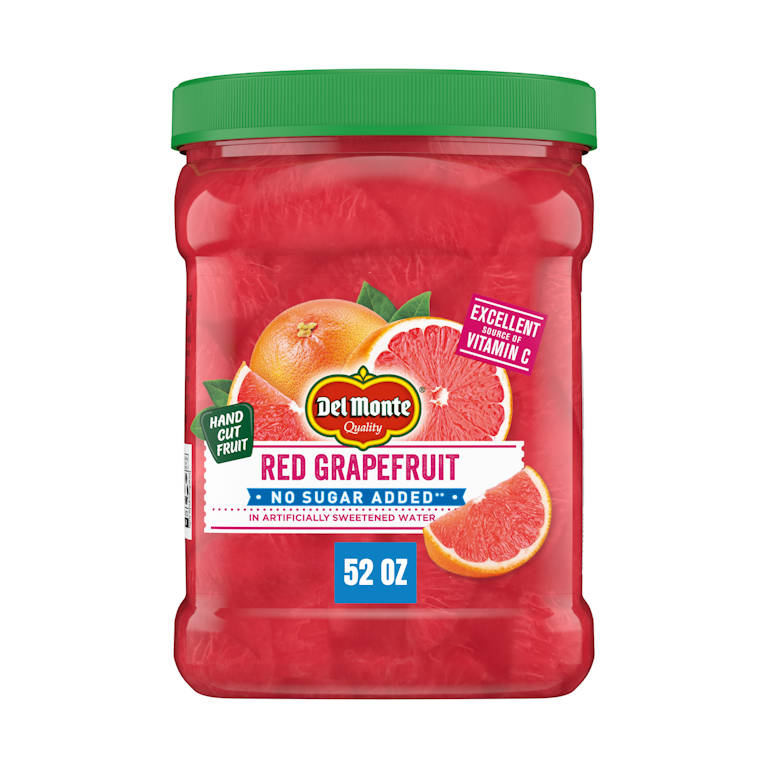
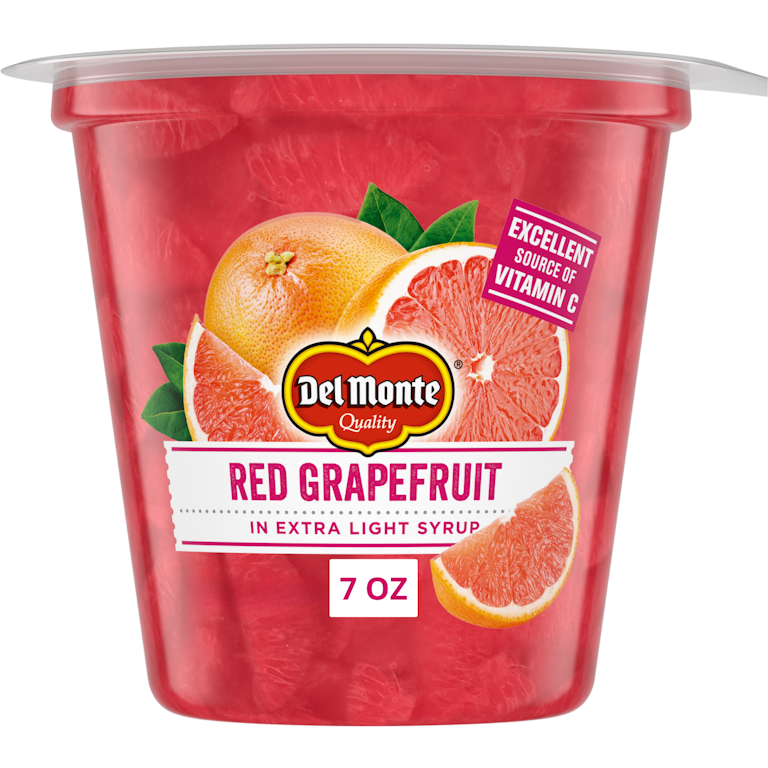
Cut Grapefruit Pieces
Once grapefruit is cut, it becomes vulnerable to drying out and absorbing odors from other foods. Store cut pieces in an airtight container or wrap them tightly with plastic wrap.
Refrigerate cut grapefruit and try to consume it within 1 to 2 days for the best texture and taste. Have you ever forgotten cut fruit in the fridge and ended up tossing it? Proper storage helps avoid that.
Grapefruit-based Preserves
Preserves, like marmalades or jams, last longer due to their high sugar content and acidity. Keep them in a cool, dark place before opening.
Once opened, refrigeration slows down spoilage and maintains their flavor. Have you ever left preserves out and noticed mold or off-flavors? Storing them properly after opening is key to enjoying their sweet, tangy goodness.
Common Storage Mistakes To Avoid
Proper storage of grapefruits can make a big difference in how long they stay fresh and juicy. Many people unknowingly make mistakes that shorten the fruit’s shelf life or affect its taste. Avoiding these common errors will help you enjoy your grapefruits at their best for longer.
Storing Near Ethylene-producing Fruits
Grapefruits are sensitive to ethylene gas, a natural plant hormone released by some fruits like bananas, apples, and avocados. If you store grapefruits close to these ethylene producers, they can ripen too quickly and spoil faster.
To keep your grapefruits fresh, separate them from ethylene-producing fruits. Have you checked your fruit bowl lately? You might find bananas sneaking too close to your citrus.
Ignoring Temperature Fluctuations
Fluctuating temperatures can stress grapefruits and cause them to lose moisture or develop soft spots. If you move grapefruits frequently between warm and cold places, they won’t last as long as they could.
Keep your grapefruits in a consistent cool spot, ideally in the fridge or a cool pantry. Have you noticed how some fruits get mushy after being left on the counter then moved to the fridge?
Overpacking In Refrigeration
Stuffing grapefruits tightly together or cramming them into a crowded fridge restricts air circulation. Poor airflow leads to faster spoilage and uneven ripening.
Give each grapefruit some breathing room. Think of them as guests at a party—they need space to stay comfortable and fresh.

Credit: www.goodrx.com
Credit: www.gianteagle.com
Frequently Asked Questions
Do Grapefruits Spoil Faster Without Refrigeration?
Yes, grapefruits spoil faster at room temperature. Refrigeration slows mold growth and moisture loss, preserving freshness longer.
How Long Can Grapefruits Stay Unrefrigerated?
Grapefruits last about 1 week unrefrigerated. Keep them in a cool, dry place away from sunlight for best quality.
Does Refrigeration Affect Grapefruit Taste Or Texture?
Refrigeration helps maintain grapefruit’s juicy texture and fresh taste. Avoid freezing, which can damage flavor and texture.
Can I Refrigerate Cut Grapefruits Safely?
Yes, store cut grapefruits in an airtight container in the fridge. Consume within 2-3 days for optimal freshness.
Conclusion
Grapefruits last longer when stored in the fridge. Keeping them cool slows down spoilage. Room temperature is fine for a few days only. Check the fruit for softness or mold often. Fresh grapefruits taste better and have more juice. Store them properly to enjoy their full flavor.
Simple care helps reduce waste and saves money. Now you know how to keep grapefruits fresh. Easy steps make a big difference in fruit quality.