Have you ever wondered if your heater is draining more electricity than your air conditioner? Understanding which appliance uses more power can help you save money and reduce your energy bills.
You might be surprised by the answer, and it could change the way you manage your home’s temperature all year round. Keep reading to find out the truth about heaters and air conditioners, so you can make smarter choices for your comfort and your wallet.
Credit: medium.com
How Heaters Consume Electricity
Electric heaters come in various types. Common kinds include convection heaters, infrared heaters, and fan heaters. Each type uses electricity differently. Convection heaters warm the air and move it around. Infrared heaters heat objects and people directly. Fan heaters blow hot air quickly to warm a room faster.
Energy use depends on heater type and how long it runs. Most heaters use between 750 to 1500 watts. Running a heater longer or at higher power uses more electricity. Room size and insulation also change energy needs.
| Factor | Effect on Electricity Use |
|---|---|
| Heater Type | Different types use energy in unique ways |
| Usage Time | Longer use means higher electricity consumption |
| Power Level | Higher settings use more electricity |
| Room Size | Larger rooms need more heat |
| Insulation | Better insulation lowers energy use |

Credit: www.consumerreports.org
Electricity Usage Of Air Conditioners
Air conditioners come in different types, each with its own energy efficiency. Common types include window units, split systems, and central ACs. Split systems are often more efficient than window units. Central ACs cool large spaces but use more power.
Cooling power depends on the unit’s sizeand energy rating. Units with a higher SEER (Seasonal Energy Efficiency Ratio) use less electricity.
Several factors affect how much power an AC uses:
- Room size:Larger rooms need more cooling power.
- Outside temperature:Hotter days increase energy use.
- Insulation quality:Poor insulation makes AC work harder.
- Usage time:Longer use means more electricity.
Comparing Heater And Ac Electricity Use
Heaters and air conditionersuse electricity differently. Heaters often need more power to create warmth than ACs need to cool air. This is because heating air requires more energy than removing heat from it.
Energy efficiency varies between devices. Modern air conditioners usually have a higher efficiency rating. Heaters may lose some energy as heat escapes through walls or windows.
- Cost Implications:Running heaters can raise electricity bills more than air conditioners.
- Air conditioners often use less electricity during moderate weather.
- Heaters may run longer in cold climates, increasing total energy use.
- Seasonal use matters; heating is mostly winter, cooling is mostly summer.
| Factor | Heaters | Air Conditioners |
|---|---|---|
| Energy Use | Higher due to heat generation | Lower due to heat removal |
| Efficiency | Often lower | Usually higher |
| Cost | More expensive to run | Less expensive to run |
| Seasonal Impact | Winter use increases energy bills | Summer use increases energy bills |
Energy-saving Tips For Heaters And Acs
Setting your thermostat to an efficient temperature saves energy. For heating, keep it around 68°F (20°C)when home. Lower it when away or sleeping. For cooling, aim for 78°F (26°C)to reduce power use. Small changes in settings reduce bills.
Regular maintenance keeps heaters and ACs working well. Clean filters every month to improve airflow. Check for leaks in ducts and seal them. A well-maintained system uses less electricityand lasts longer.
- Use smart thermostats to control temperature remotely.
- Program schedules to match your routine.
- Receive alerts for maintenance needs.
Smart technology helps avoid wasted energy. It adjusts settings automatically based on your habits. This means energy savingswithout effort.
Environmental Impact Of Heating And Cooling
The carbon footprintof heating and cooling depends on energy sources. Heating often uses more electricity in cold climates. Air conditioners consume more power during hot weather. Both systems can increase greenhouse gas emissionsif powered by fossil fuels.
Using renewable energylike solar or wind can reduce this impact. Homes with solar panels lower their carbon footprints when running heaters or AC units. Some heat pumps run efficiently on clean energy, saving money and the planet.
| Future HVAC Trends | Benefits |
|---|---|
| Smart thermostats | Save energy by adjusting temperatures automatically |
| Energy-efficient heat pumps | Use less electricity than traditional heaters |
| Solar-powered HVAC systems | Cut down carbon emissions and electricity bills |

Credit: www.furnaceprices.ca
Frequently Asked Questions
Do Heaters Consume More Electricity Than Air Conditioners?
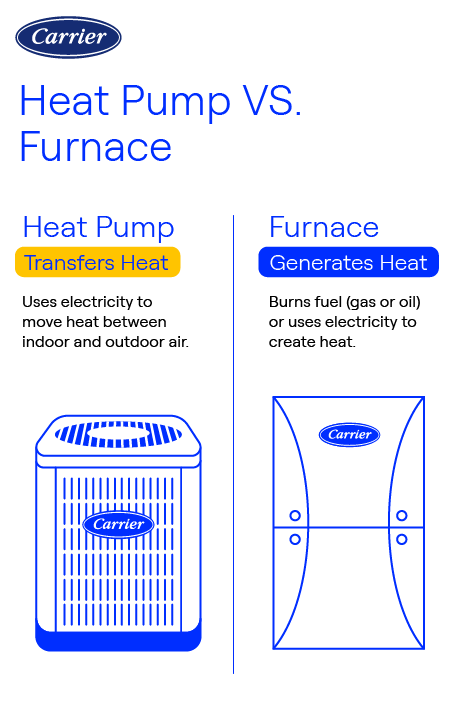
Heaters often use more electricity because they generate heat directly. Air conditioners transfer heat, which can be more efficient. Usage depends on the type and settings of each device, as well as insulation and climate.
Why Do Heaters Sometimes Use More Power Than Ac Units?
Heaters convert electrical energy into heat, which can require more power. Air conditioners move heat rather than create it, often using less energy. Efficiency varies with technology, room size, and insulation quality.
How Does Energy Consumption Compare Between Heaters And Air Conditioners?
Energy use depends on device type, efficiency, and usage duration. Heaters generally consume more power to produce heat. Air conditioners tend to use less electricity by transferring heat outside.
Can Insulation Affect Electricity Use Of Heaters And Acs?
Yes, good insulation reduces energy needed for heating and cooling. Poor insulation makes heaters and AC units work harder, increasing electricity use. Proper insulation optimizes energy efficiency for both systems.
Conclusion
Heaters and air conditioners use electricity differently. Heaters often consume more power to warm a room. Air conditioners use energy to cool and remove moisture. Energy use depends on the device’s type and size. Insulation and outside temperature also affect electricity use.
Choosing energy-efficient models can reduce bills. Regular maintenance helps devices run smoothly and save power. Understanding how your heater or AC works saves money. Think about your climate before picking one. Stay warm or cool without wasting energy.