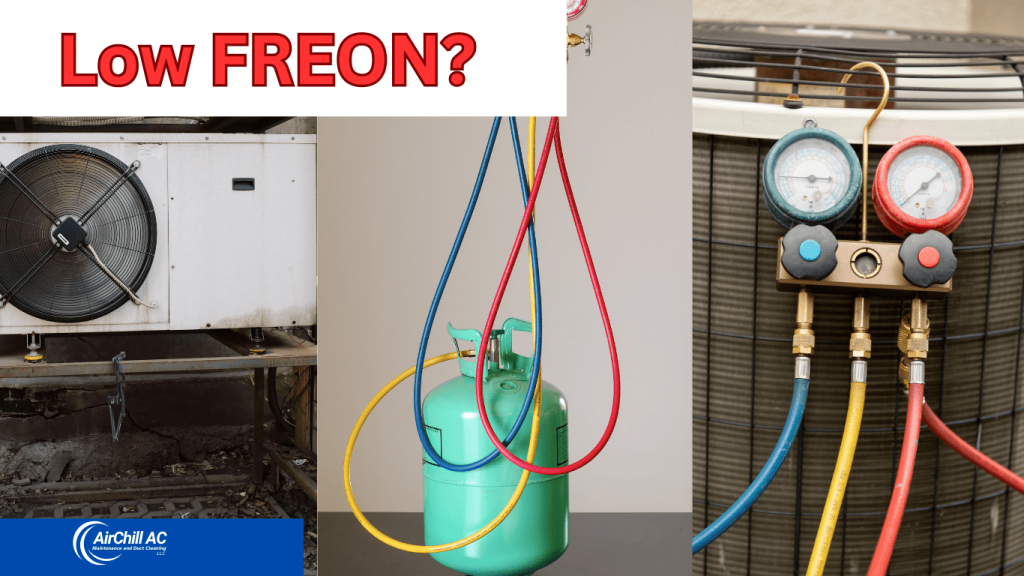
Are you wondering if your home air conditioner needs Freon to keep your space cool? You’re not alone.
Many homeowners get confused about what makes their AC work and whether Freon is essential. Understanding this can save you from costly repairs and help you maintain a comfortable home all year round. Keep reading to discover the truth about Freon and how it affects your air conditioner’s performance.
How Air Conditioners Use Refrigerants
Air conditioners cool your home by moving heat outside. Refrigerants help carry this heat.
They change from liquid to gas and back to liquid to absorb and release heat.
Role Of Refrigerants In Cooling
Refrigerants absorb heat from inside your home. They carry this heat to the outdoor unit.
The refrigerant changes state in the system. It evaporates inside the home coil, taking heat away.
Outside, it condenses back to liquid, releasing heat to the air. This cycle repeats to keep your home cool.
Common Types Of Refrigerants
- R-22: Older AC systems use this refrigerant. It is being phased out due to environmental rules.
- R-410A: Newer systems use this. It is safer for the environment and more efficient.
- R-134a: Used in some smaller or special AC units.
- Natural refrigerants: Such as propane and ammonia, used in some systems for lower impact.
| Refrigerant | Use | Environmental Impact |
| R-22 | Older residential AC | High ozone depletion |
| R-410A | New residential AC | Low ozone depletion |
| R-134a | Small AC units | Low ozone depletion |
| Propane | Special systems | Very low impact |

Credit: www.aljazeera.com
What Is Freon?
Freon is a type of gas used in many air conditioners. It helps cool the air inside homes and buildings.
This gas moves heat from indoors to outside. This process makes rooms feel cooler during hot days.
History Of Freon
Freon was invented in the early 1900s. Scientists wanted a safer way to cool air without dangerous chemicals.
Before Freon, cooling systems used toxic gases that could harm people. Freon was less harmful and worked well.
- Freon was first made by Thomas Midgley Jr. in 1928
- It replaced older, unsafe refrigerants
- Used widely in homes, cars, and refrigerators
Why Freon Was Popular
Freon became popular because it was safe and effective. It did not catch fire or explode easily.
It also worked well in many machines and lasted a long time. This made it a favorite choice for cooling.
- Non-flammable and non-toxic compared to older gases
- Efficient at cooling air and machines
- Long-lasting and stable in different temperatures
Freon Vs Modern Refrigerants
Home air conditioners use refrigerants to cool air. Freon was once the main refrigerant used. Newer systems now use modern refrigerants.
Understanding the differences helps you know why modern refrigerants are preferred today. This guide covers environmental impact and efficiency.
Environmental Impact
Freon contains chemicals that harm the ozone layer. It also contributes to global warming. Modern refrigerants are designed to be safer for the environment.
- Freon is a chlorofluorocarbon (CFC) with ozone-depleting properties.
- Modern refrigerants use hydrofluorocarbons (HFCs) or hydrofluoroolefins (HFOs).
- HFOs have lower global warming potential (GWP) than Freon.
- Many countries have phased out Freon to protect the ozone layer.
Efficiency Differences
| Refrigerant Type | Energy Efficiency | Cooling Performance |
| Freon (R-22) | Lower | Moderate |
| Modern HFCs (R-410A) | Higher | Better |
| Modern HFOs (R-32) | Highest | Best |
Modern refrigerants often improve energy efficiency. They help air conditioners cool faster and use less power. This lowers electricity bills and saves energy.
When Does An Ac Need More Refrigerant?
Your home air conditioner uses refrigerant to cool the air. Over time, it might need more refrigerant to work well.
Low refrigerant can make your AC less efficient and cause it to stop cooling properly.
Signs Of Low Refrigerant Levels
Watch for these signs that tell you the refrigerant level is low:
- The air feels less cool than usual.
- The AC runs longer but does not cool enough.
- Ice forms on the AC coils or pipes.
- Higher electric bills without more use.
- Hissing or bubbling noises near the AC unit.
Causes Of Refrigerant Leaks
Refrigerant leaks cause the AC to lose its cooling power. These leaks happen for several reasons.
| Cause | Description |
| Corrosion | Metal parts rust and create tiny holes. |
| Wear and Tear | Old pipes and joints weaken over time. |
| Poor Installation | Incorrect setup can cause leaks early. |
| Physical Damage | Accidents or weather can damage the unit. |
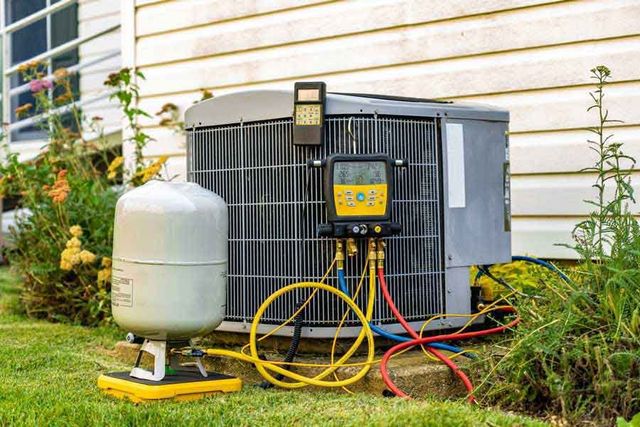
Can You Add Freon Yourself?
Home air conditioners need Freon to cool your house. Freon is a refrigerant that helps remove heat from the air. Sometimes, your AC may run low on Freon and need a refill.
Many people ask if they can add Freon themselves. This task looks simple but needs care and knowledge to do it right.
Safety Concerns
Adding Freon yourself can be dangerous. Freon is a chemical that can harm your skin and eyes. It can also cause breathing problems if you inhale it.
Working with Freon requires special tools and skills. If done wrong, it can damage the AC unit or cause leaks. Leaking Freon harms the environment and your health.
- Freon can freeze skin on contact.
- It can cause eye injuries.
- Leaks release harmful gases.
- Improper handling can damage equipment.
Legal Restrictions
Laws control who can handle Freon. In many places, only certified technicians may add or remove Freon. This rule helps protect the environment from harmful gases.
If you add Freon without a license, you may face fines or legal trouble. Always check local laws before trying to handle refrigerants yourself.
- Certification is required by law in many areas.
- Illegal handling can lead to penalties.
- Proper disposal of Freon is mandatory.
- Licensed professionals know legal rules and safety steps.
Credit: www.iecomfortac.com
Hiring A Professional For Refrigerant Service
Home air conditioners use refrigerants like Freon to cool your house. Over time, the refrigerant can leak or run low. Fixing this needs special tools and skills.
Hiring a professional ensures the job is done safely and correctly. They know how to handle refrigerants and check the AC system.
What To Expect During Service
The technician starts by inspecting your AC system for leaks or damage. They use special tools to find where the refrigerant may be leaking.
Next, they recover any old refrigerant safely. Then, they repair leaks and recharge the system with the right amount of refrigerant.
- Leak detection and repair
- Refrigerant recovery and recycling
- System recharge with proper refrigerant level
- Testing system performance after service
Benefits Of Professional Handling
Professionals have the right tools and training. They keep you and the environment safe from harmful chemicals.
They make sure the AC works well after service. This helps your unit last longer and cool better.
- Proper handling of refrigerants
- Accurate system diagnosis
- Safe and legal refrigerant disposal
- Improved AC efficiency and lifespan
Maintaining Proper Refrigerant Levels
Refrigerant is a key part of your home air conditioner. It helps cool the air inside your house. Keeping the right amount of refrigerant is important for your AC to work well.
If the refrigerant level is too low, the air conditioner will not cool properly. It can also cause damage to the system. Regular checks can prevent problems and keep your AC efficient.
Routine Maintenance Tips
Check your air conditioner regularly to avoid refrigerant problems. Clean or replace filters every month. Keep the outdoor unit free of dirt and debris. These steps help the system run smoothly.
- Inspect refrigerant lines for leaks or damage
- Clean coils to improve heat exchange
- Schedule professional inspections yearly
- Replace air filters on time
- Keep area around the outdoor unit clear
Preventing Refrigerant Loss
Refrigerant can leak if the system has cracks or loose connections. Finding leaks early saves money and keeps your home cool. A professional can use special tools to spot leaks and fix them.
| Cause | How to Prevent |
| Worn seals | Replace seals during maintenance |
| Damaged coils | Clean and inspect coils regularly |
| Loose fittings | Tighten fittings during service visits |
| Physical damage | Protect unit from impacts and weather |

Credit: www.georgiaairrepair.com
Frequently Asked Questions
Do Home Air Conditioners Still Use Freon?
Most home air conditioners no longer use Freon (R-22). Newer models use eco-friendly refrigerants like R-410A. Freon production was phased out due to environmental harm.
Why Is Freon Important For Air Conditioners?
Freon or refrigerant absorbs heat from indoor air. It then releases heat outside, cooling your home. Without it, air conditioners cannot cool effectively.
How Do I Know If My Ac Needs Freon?
If your AC blows warm air or runs continuously, it may need Freon. A professional HVAC technician can check refrigerant levels and recharge if necessary.
Can I Add Freon To My Ac Myself?
Adding Freon requires special tools and certification. Incorrect handling can damage your system or harm the environment. Always hire a licensed professional for Freon recharging.
Conclusion
Home air conditioners often need Freon to cool your home properly. Without enough Freon, the unit may not work well. Regular checks can help spot leaks early. Adding Freon is a job for professionals. Keeping the right Freon level saves energy and money.
Remember, not all air conditioners use Freon now. Newer models may use different coolants. Stay informed to keep your air conditioner running smoothly. A well-maintained AC keeps your home comfortable all year.