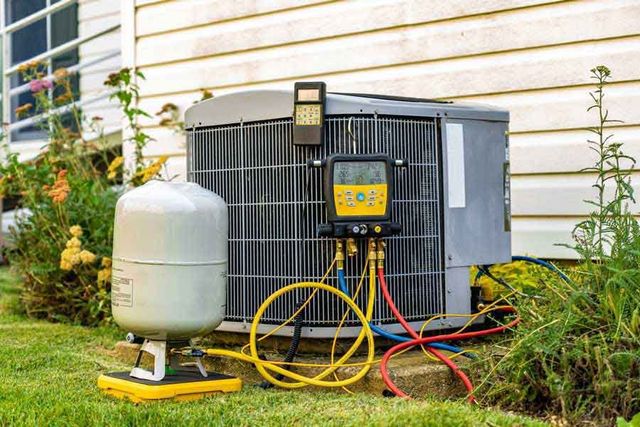
Have you ever wondered if your home air conditioner needs Freon to keep your space cool? Understanding this can save you from unexpected repair costs and help your AC run smoothly.
If you’re curious about how Freon works and whether your system depends on it, you’re in the right place. Keep reading to uncover the truth behind Freon and your air conditioner, so you can make smart choices for your home comfort.
How Home Air Conditioners Work
Home air conditioners use a special chemical called refrigerantto cool air. This refrigerant moves inside the system in a loop. It changes from gas to liquid and back again. This change helps take heat from inside your home and release it outside.
The cooling cycle works like this:
- The refrigerant absorbs heat from indoor air.
- It turns into a warm gas and travels outside.
- The gas cools down and becomes liquid again.
- The liquid returns inside to absorb more heat.
This cycle keeps repeating to keep your home cool and comfortable.
What Is Freon?
Freonis a brand name for chemicals called refrigerants. These chemicals help move heat out of your home. They work inside air conditioners to cool air. The most common types of Freon used are R-22and R-410A. R-22 was used for many years but is being replaced by R-410A, which is better for the environment.
| Type of Freon | Common Use | Environmental Note |
|---|---|---|
| R-22 | Older AC units | Harms ozone layer, being phased out |
| R-410A | Newer AC units | Less harmful to ozone, more eco-friendly |
Freongases can harm the environment if released. They contribute to the greenhouse effectand ozone damage. Newer refrigerants like R-410A have a smaller impact. Proper handling and disposal are very important to protect the planet.
Do All Acs Require Freon?
Most traditional home air conditioners use Freonor similar refrigerants to cool air. Freon helps move heat from inside the house to outside. It is key in the cooling process. These systems need periodic checks to ensure no leaks. Leaks can harm the environment and reduce cooling power.
Newer AC models often use eco-friendly refrigerantsinstead of Freon. These refrigerants are safer for the planet. Some systems use heat pumpsor other cooling technologiesthat do not rely on traditional refrigerants. They can cool efficiently without Freon. This shift helps reduce environmental harm and energy use.
Signs Of Low Refrigerant Levels
Reduced cooling efficiencyis a common sign of low refrigerant. The air conditioner blows warm or less cold air. It takes longer to cool the room. This means the system works harder, using more energy.
Ice formation on coilscan also indicate low refrigerant. Ice builds up on the evaporator coils inside the unit. This blocks airflow and stops the AC from cooling properly. Ice may also form on the refrigerant lines.
Refilling Freon: When And How
Refilling Freon is not a common task for homeowners. It requires special toolsand knowledge about refrigerants. A certified technician checks for leaks and ensures the right Freon amount. Too much or too little Freon can cause damageto the air conditioner. Proper handling protects the system and the environment.
Professional Service Importance
Certified experts have the right equipmentand training. They detect leaks and fix them before refilling. This prevents Freon lossand system failure. Professionals also follow safety rules to avoid accidents and health risks.
Risks Of Diy Refilling
- Wrong Freon type can harm the air conditioner.
- Too much Freon causes pressure build-up and damage.
- Leaks might go unnoticed, wasting Freon and money.
- Handling refrigerants without training can be dangerous.

Credit: www.georgiaairrepair.com
Alternatives To Freon In Home Acs
Eco-friendly refrigerantsreduce harm to the environment. These include R-410A, R-32, and hydrofluoroolefins (HFOs). They do not damage the ozone layer. These refrigerants also help save energy and lower electricity bills.
Technological innovations have led to better cooling systems. Some home ACs now use natural refrigerantslike propaneor CO2. These are safe and have low global warming potential.
- New systems use less refrigerant for better efficiency.
- Advanced compressors help cool homes faster.
- Smart controls optimize temperature and reduce waste.
Maintaining Refrigerant Levels
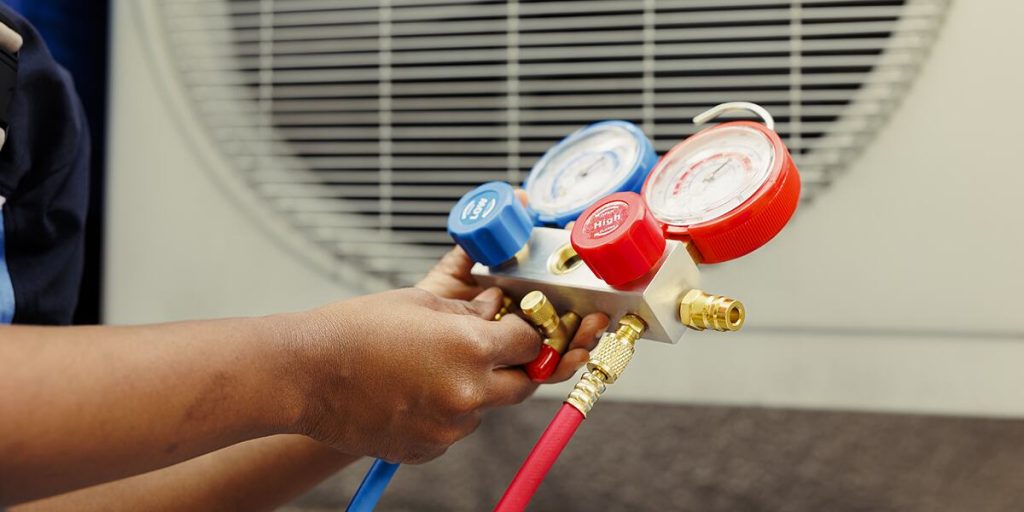
Maintaining the correct refrigerant levelsis essential for your air conditioner’s efficiency. Low refrigerant can cause poor cooling and higher energy bills. Regular inspections help spot leaks early. Technicians check for signs like ice build-up or hissing sounds. These signs often mean refrigerant is escaping.
Preventing leaks keeps the system working well. Small leaks can grow bigger over time. Fixing leaks quickly saves money and avoids damage. Seals and connections should be tight and clean. Also, keeping the area around the unit free of debris helps prevent damage.
Credit: www.georgiaairrepair.com

Credit: www.aljazeera.com
Frequently Asked Questions
Do All Home Air Conditioners Use Freon?
Not all home air conditioners use Freon. Older models often use Freon (R-22), but newer ones use eco-friendly refrigerants like R-410A. These modern refrigerants are more efficient and environmentally safe. Always check your unit’s specifications for the exact refrigerant type.
How Does Freon Affect Home Air Conditioner Performance?
Freon is the refrigerant that absorbs and releases heat, enabling cooling. Proper Freon levels ensure efficient cooling and energy use. Low Freon can cause poor cooling and damage the system. Regular maintenance helps maintain optimal Freon levels for best performance.
Can I Add Freon To My Home Air Conditioner Myself?
Adding Freon yourself is not recommended. Handling refrigerants requires certification due to environmental and safety concerns. Incorrect charging can harm the AC system and void warranties. Always hire a licensed HVAC technician for Freon recharging or repairs.
Why Do Some Air Conditioners No Longer Use Freon?
Freon (R-22) is being phased out due to its ozone-depleting effects. Newer refrigerants like R-410A are safer for the environment and more efficient. Regulations require newer systems to use these alternative refrigerants, promoting eco-friendly cooling solutions.
Conclusion
Air conditioners need regular maintenance for optimal performance. Freon plays a crucial role. It’s essential for cooling and overall efficiency. Over time, Freon levels may drop. A professional should check this. Low Freon can cause issues. It may lead to poor cooling.
Also, it can increase energy bills. Regular checks can prevent these problems. Keeping your unit in top shape is vital. This ensures comfort and reliability. Remember, a well-maintained system lasts longer. It also performs better. So, ensure timely maintenance for your air conditioner.
This guarantees effective and efficient cooling.