When you’re planning a kitchen remodel or simply updating your cooking space, you might find yourself pondering whether you really need a range hood. It’s a question many homeowners ask, and the answer can shape the heart of your home.
You might be thinking about the style and aesthetics of your kitchen, or perhaps you’re more concerned about functionality and air quality. Whatever your reasons, understanding the importance of a range hood can help you make an informed decision. Imagine cooking your favorite meal.
The sizzle, the aroma, the steam rising from the pot. It’s a delightful experience, but what about the lingering smells and smoke that can invade your home? Without a range hood, these can quickly become more than just a minor inconvenience. They can affect your air quality and even the cleanliness of your kitchen. But is a range hood an absolute necessity for you? By the end of this article, you’ll have a clearer picture of whether a range hood is an essential part of your kitchen or if you can comfortably do without it. Let’s dive in and explore the reasons that could tip the scales for you.
Credit: www.kitchenaid.com
Purpose Of A Range Hood
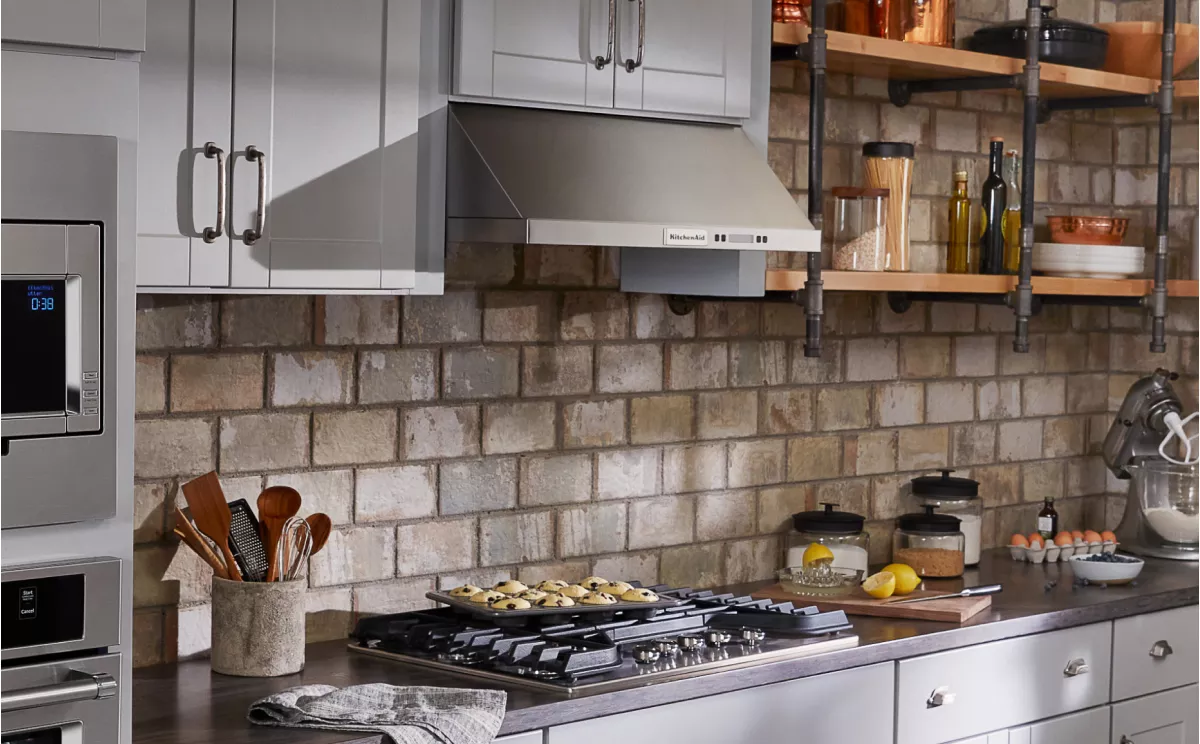
Understanding the purpose of a range hood can help you decide if it’s a necessary addition to your kitchen. A range hood does more than just look stylish above your stove. It plays an important role in keeping your cooking area fresh, clean, and comfortable.
Removing Smoke And Odors
Cooking often produces smoke and strong smells that can linger long after you’re done. A range hood pulls this smoke and odors out of your kitchen, preventing them from settling on your walls, furniture, and clothes.
Without a hood, you might find yourself opening windows on cold days or using multiple fans, which don’t work as effectively. Have you ever cooked something that left a smell that stayed for hours? A range hood can stop that from happening.
Improving Kitchen Air Quality
Cooking releases tiny grease particles and airborne contaminants that you can’t always see but can affect your health. A range hood filters these out, improving the air you breathe while you cook and eat.
This is especially important in small or closed kitchens where air doesn’t circulate well. It’s not just about comfort; it’s about keeping your kitchen environment cleaner and safer for your family.
Reducing Heat And Moisture
Stovetop cooking generates a lot of heat and moisture, which can make your kitchen uncomfortable and lead to problems like peeling paint or warped cabinets. A range hood helps by drawing out excess heat and humidity.
Think about the last time you boiled water or simmered a stew—did your kitchen feel stuffy afterward? Using a range hood can keep your kitchen cooler and prevent moisture buildup that might cause mold or damage over time.
Credit: blog.yaleappliance.com
When A Range Hood Is Required
Knowing when a range hood is required can save you from unnecessary expenses and ensure your kitchen stays safe and comfortable. Range hoods do more than just clear smoke—they improve air quality and reduce moisture and odors. But not every kitchen actually needs one, so understanding the key factors that determine this can help you make an informed decision.
Building Codes And Regulations
Local building codes often dictate whether a range hood is mandatory. These rules vary by location but usually focus on proper ventilation to reduce fire hazards and maintain indoor air quality.
For example, some cities require range hoods if you have a gas stove, since gas combustion releases more pollutants. Other areas might require them based on the size of your kitchen or the type of cooking appliances you use.
Checking your local building codes before installing or renovating is essential. Have you ever skipped this step and faced unexpected costs or delays?
Cooking Habits And Frequency
Your cooking style plays a big role in deciding if you need a range hood. If you cook often and prepare meals that produce a lot of smoke or strong odors—like frying or grilling indoors—a range hood becomes almost necessary.
On the other hand, if you mostly use your kitchen for boiling or reheating food, you might not need one. Some people I’ve met rarely cook at home and never installed a range hood without issue.
Ask yourself: How often do you cook meals that create steam, smoke, or grease? This reflection can help you avoid installing equipment you don’t really need.
Kitchen Layout Considerations
The design and size of your kitchen affect whether a range hood is required. Open kitchens or those connected to living spaces benefit greatly from a hood to prevent odors and smoke from spreading.
If your kitchen is small and has good natural ventilation, such as a window directly above the stove, you might get by without a hood. But in closed kitchens with limited airflow, a range hood is crucial for comfort and safety.
Think about how air moves in your kitchen. Could smoke or cooking smells linger and affect other rooms? If so, a range hood might be the best solution.
Types Of Range Hoods
Range hoods come in various types to fit different kitchen layouts and cooking needs. Choosing the right type affects how well your kitchen stays clean and free from smoke or odors. Each type has unique features and installation styles. Understanding these helps you pick the best option for your home.
Ducted Vs. Ductless Models
Ducted range hoods vent air outside through a duct system. They remove smoke, steam, and odors efficiently. This option needs extra space for ductwork and proper installation.
Ductless models recycle air using filters. They capture grease and odors but do not remove heat or moisture. These are easier to install and fit kitchens without duct access.
Wall-mounted And Island Hoods
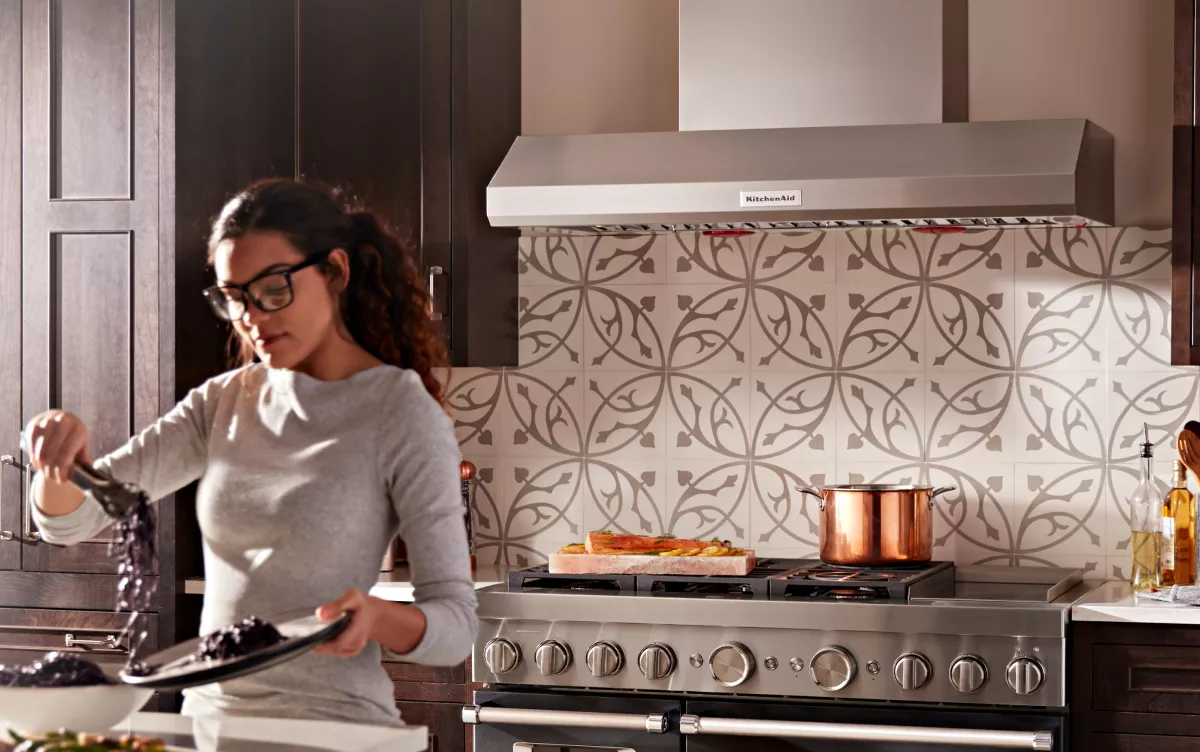
Wall-mounted hoods attach to the wall above your stove. They come in many sizes and styles. This type works well in kitchens with cooking areas near a wall.
Island hoods hang from the ceiling above a stove on an island. They provide ventilation in open kitchen layouts. These hoods often become a centerpiece due to their design.
Under-cabinet Options
Under-cabinet hoods fit beneath kitchen cabinets. They save space and blend with the cabinetry. This type is common in smaller kitchens or where a discreet look is desired.
Many under-cabinet hoods offer both ducted and ductless options. They provide basic ventilation without taking up extra room.
Benefits Beyond Ventilation
Range hoods do much more than just remove smoke and odors. They improve your kitchen’s lighting, style, and even its value. These benefits make a range hood a smart choice for any kitchen space.
Enhancing Kitchen Lighting
Range hoods often come with built-in lights. These lights brighten the cooking area directly below. Better lighting helps you see food clearly while cooking. It reduces accidents and improves meal preparation. Bright, focused lighting also adds a warm and inviting feel.
Adding To Kitchen Aesthetics
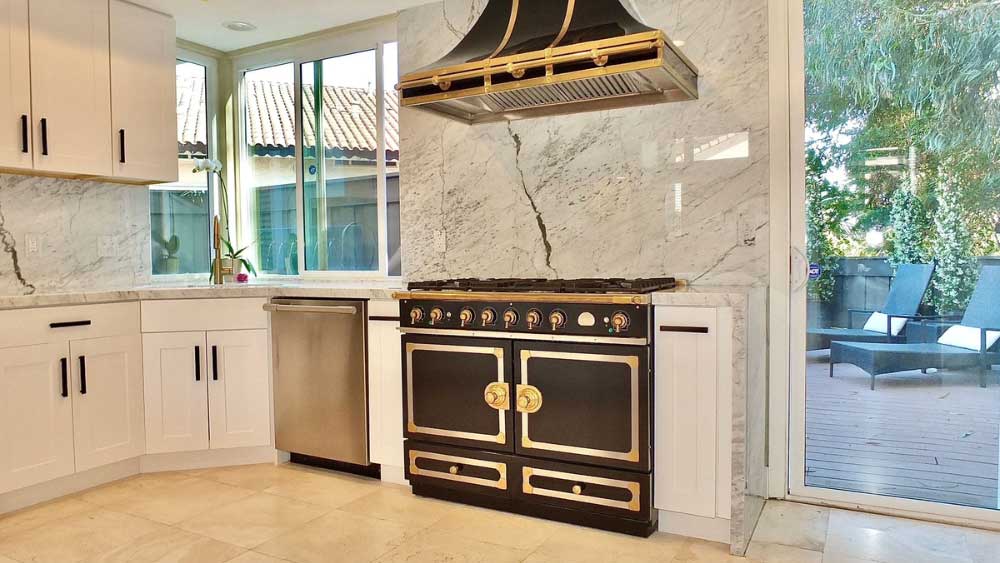
Range hoods come in many styles and finishes. They can match your cabinets, countertops, or appliances. A sleek hood adds a modern touch. A rustic hood complements a country-style kitchen. This appliance becomes a focal point, boosting your kitchen’s overall look.
Increasing Home Value
Potential buyers notice quality kitchen features. A stylish, functional range hood shows the kitchen is well cared for. It suggests good ventilation and cleanliness. These factors can increase your home’s resale value. Investing in a good range hood pays off over time.
Alternatives To Range Hoods
If you’re wondering whether you really need a range hood, there are practical alternatives that can help keep your kitchen air fresh and comfortable. Not every home has the space or budget for a traditional hood, but that doesn’t mean you have to live with lingering smoke or odors.
Let’s look at some simple options you might already have or can easily add to your cooking space.
Using Exhaust Fans
Exhaust fans are a straightforward way to pull cooking fumes out of your kitchen. You might already have one installed in your bathroom or laundry room that can double for occasional kitchen use.
These fans work best when placed near your cooking area, venting air directly outside. Unlike a range hood, they may not capture all smoke right at the source, but they still reduce buildup effectively.
Think about how often you cook and the types of dishes you make. Would a strong exhaust fan be enough to clear your kitchen air quickly?
Opening Windows And Doors
Fresh air is one of the easiest and cheapest solutions. Opening windows and doors creates natural airflow that helps push out smoke, steam, and odors.
If your kitchen has a cross breeze—windows or doors on opposite sides—you get even better ventilation. This option works great on mild days but might not be ideal in extreme weather.
Have you noticed how a quick window opening after frying something heavy instantly freshens the room? That immediate change in air quality can make a big difference.
Portable Air Purifiers
Air purifiers don’t replace ventilation, but they can improve indoor air quality by filtering out smoke particles and smells. Many models are compact and easy to move around your kitchen.
Look for purifiers with HEPA filters and activated carbon to target cooking odors and airborne grease. They’re especially useful if your kitchen lacks good ventilation or if you live in an apartment without external vents.
Could adding a portable purifier be a smart move for your kitchen, especially if you cook frequently or have allergies?
Maintenance And Installation Tips
Maintaining and installing a range hood properly can make a big difference in how well it works and how long it lasts. You want your kitchen to stay fresh and smoke-free without wasting time or money on repairs. Let’s break down some simple tips that you can apply right away to keep your range hood in top shape and ensure it’s set up correctly.
Cleaning Filters Regularly
Dirty filters reduce your range hood’s efficiency and can even cause unpleasant odors. Check your filters every month and clean them as needed. Most metal filters can be soaked in warm, soapy water or run through the dishwasher for easy cleaning.
Don’t forget that charcoal filters need replacing instead of cleaning. If you notice a buildup of grease or your hood isn’t pulling smoke like before, it’s time to clean or swap those filters. Think about how much easier cooking is when the air stays clear—keeping filters clean makes that possible.
Proper Ventilation Setup
Proper ventilation means your range hood vents smoke and odors outside efficiently. Make sure the ductwork is as straight and short as possible; bends and long runs reduce airflow. Use rigid metal ducts instead of flexible ones to avoid grease buildup and blockages.
Have you checked if your vent exits directly outside and not into an attic or crawl space? That’s a common mistake that can cause moisture problems and poor air quality. Ensuring the vent path is correct will improve performance and keep your home healthier.
Professional Installation Advice
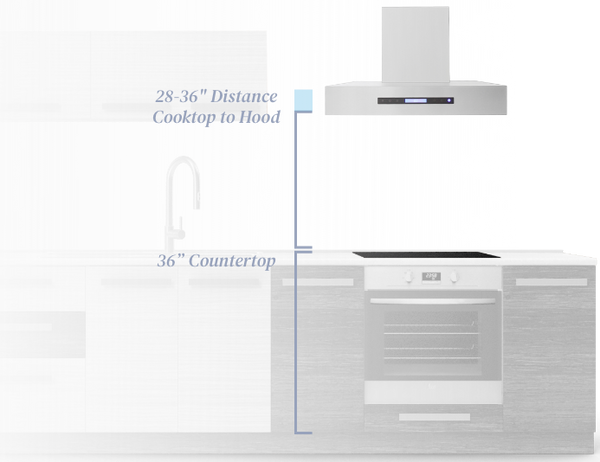
Installing a range hood might seem like a weekend project, but certain details really benefit from a pro’s touch. Incorrect height or poor sealing can reduce suction and cause leaks. Professionals know local building codes and can ensure your hood meets safety standards.
If you’re unsure about electrical wiring or vent placement, calling a professional can save you headaches later. Think about it this way: a proper install means your range hood works better right from the start, saving you time and money. Have you ever struggled with a DIY project that ended up costing more in the long run?
Credit: www.kitchenaid.com
Frequently Asked Questions
Do I Really Need A Range Hood In My Kitchen?
A range hood helps remove smoke, odors, and grease while cooking. It improves indoor air quality and prevents buildup on walls and cabinets. While not legally required everywhere, it’s highly recommended for a cleaner and healthier kitchen environment.
What Are The Benefits Of Having A Range Hood?
Range hoods reduce heat, steam, and airborne contaminants. They prevent grease buildup on surfaces, improving kitchen cleanliness. Additionally, they enhance ventilation, making cooking more comfortable and safer. Proper ventilation can also reduce the risk of mold and mildew growth caused by excess moisture.
Can I Cook Safely Without A Range Hood?
Yes, but cooking without a range hood can cause smoke and odors to linger. Over time, grease and moisture may damage kitchen surfaces. Using alternative ventilation, like opening windows or fans, helps but isn’t as effective as a dedicated range hood system.
Are Range Hoods Required By Building Codes?
Building codes vary by location, but many require range hoods in new constructions. Codes focus on proper ventilation to ensure safety and air quality. It’s best to check local regulations to confirm if a range hood is mandatory in your area.
Conclusion
A range hood helps keep your kitchen air clean and fresh. It removes smoke, steam, and strong smells quickly. This makes cooking safer and more comfortable. While not always required by law, many homes benefit from having one. It also protects your walls and ceilings from grease buildup.
Choosing the right range hood depends on your cooking style and kitchen size. Think about what fits best for your home and needs. A range hood can be a smart addition for a healthier kitchen space.